Eating and drinking in Vienna
3 h route4 stopsBest: All yearUpdated July 2026
Asking for a coffee in Vienna by saying “a coffee” works about as well as asking for “a wine” in a winery: they’ll ask which. There’s a whole menu of preparations with their own names, and half the pleasure of the city is learning three of them.
Something similar happens with the food: dishes have protected names and rules, and the difference between the real thing and its imitation is written into law, not into anyone’s opinion.
The route, stop by stop
4 STOPS- 01
The coffee list
The Wiener Melange comes closest to a long cortado with milk foam, and most people order it. A kleiner Brauner is an espresso with a little jug of cream beside it. The Einspänner arrives in a glass with a cap of whipped cream, and the name comes from the one-horse carriage: the driver ordered it that way because the cream kept it from going cold while he waited with the reins in his other hand. A Fiaker adds a shot of rum or kirsch. And the water that comes alongside isn’t decorative: you drink it between sips and they refill it as often as needed.
- 02
Wiener Schnitzel
A genuine Wiener Schnitzel uses veal, and this isn’t guidebook purism: in Austria the name is protected, and a place serving pork under it has to label it “Schnitzel vom Schwein” or similar. The price difference on the menu is the first clue.
It’s eaten thin, breaded and fried in plenty of fat until the coating lifts away from the meat and blisters: that separation is the sign it was done right. It comes with potato salad and a wedge of lemon, never with sauce.
- 03
The Sachertorte and the lawsuit
Franz Sacher invented the cake in 1832 as a sixteen-year-old apprentice, when the head chef fell ill and a dessert had to be improvised for Prince Metternich. His son Eduard perfected it while working at Demel, and that’s where the trouble started: two different houses, the same recipe with variations, the same name.
The lawsuit ran from 1938 to 1963, with a pause for the war, and ended in a settlement: Hotel Sacher kept “Original Sacher-Torte” and the round seal, Demel got the “Eduard-Sacher-Torte” and a triangular one. The real difference is the apricot jam layer: one has it in the middle, the other only under the glaze.
It’s eaten with unsweetened cream on the side, and that isn’t optional: the cake is dry on purpose.
- 04
Naschmarkt
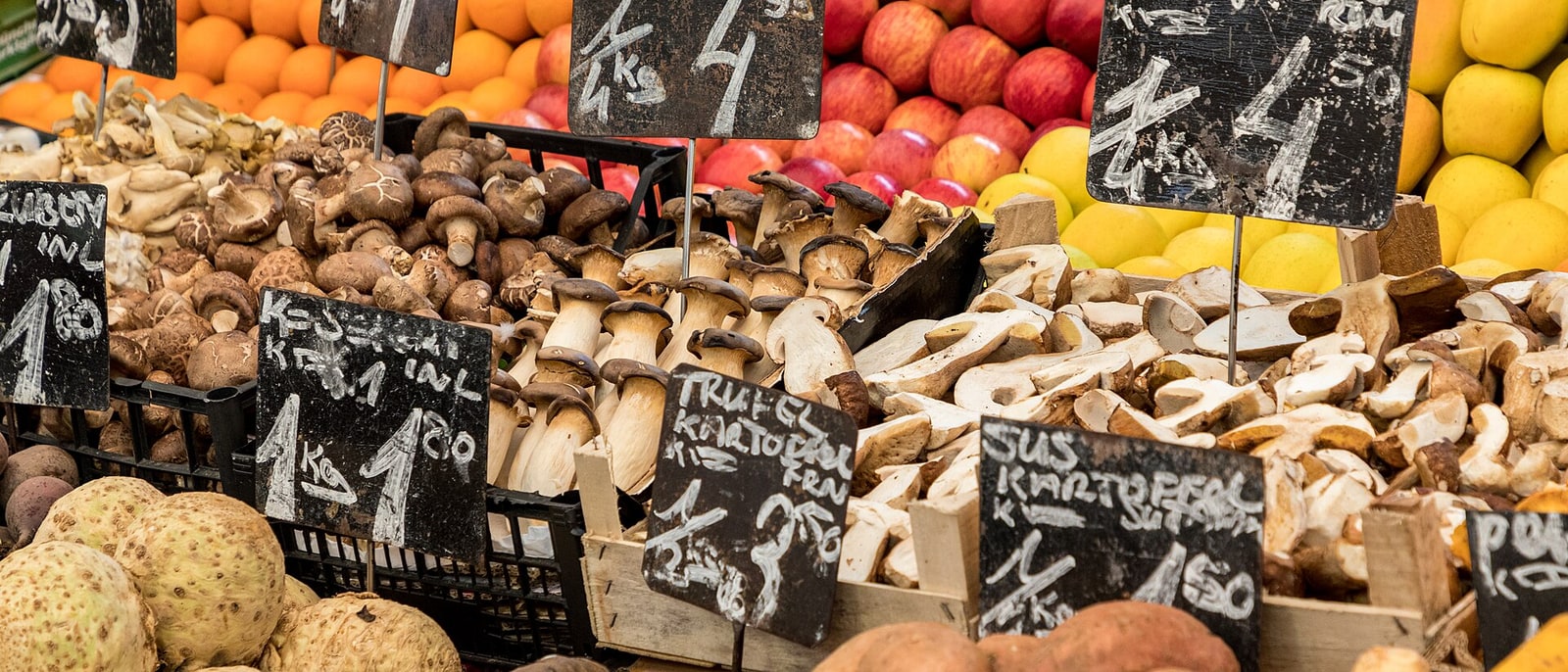
Running since the eighteenth century, it occupies a long strip above the river Wien, which is channelled underneath. The half nearer the centre is food stalls and restaurants. The other half is still a real market, with greengrocers, pickles and cheese. On Saturdays, at the far end, a flea market spreads over several blocks and is one of the better ones in central Europe for rummaging.
Frequently asked
What coffee do you order in Vienna?
A Melange for the closest thing to a cortado with foam, a kleiner Brauner for espresso with cream on the side, or an Einspänner if you want whipped cream on top. Asking for “a coffee” means nothing here.
Which is the real Sachertorte, Sacher’s or Demel’s?
Both, legally. A twenty-five-year lawsuit ended in 1963 by splitting the name: Hotel Sacher uses “Original Sacher-Torte” and Demel “Eduard-Sacher-Torte”. They differ in where the apricot jam layer sits.