Cairo: practical tips
1 h route5 stopsBest: October-April. In summer, Giza at midday is dangerousUpdated July 2026
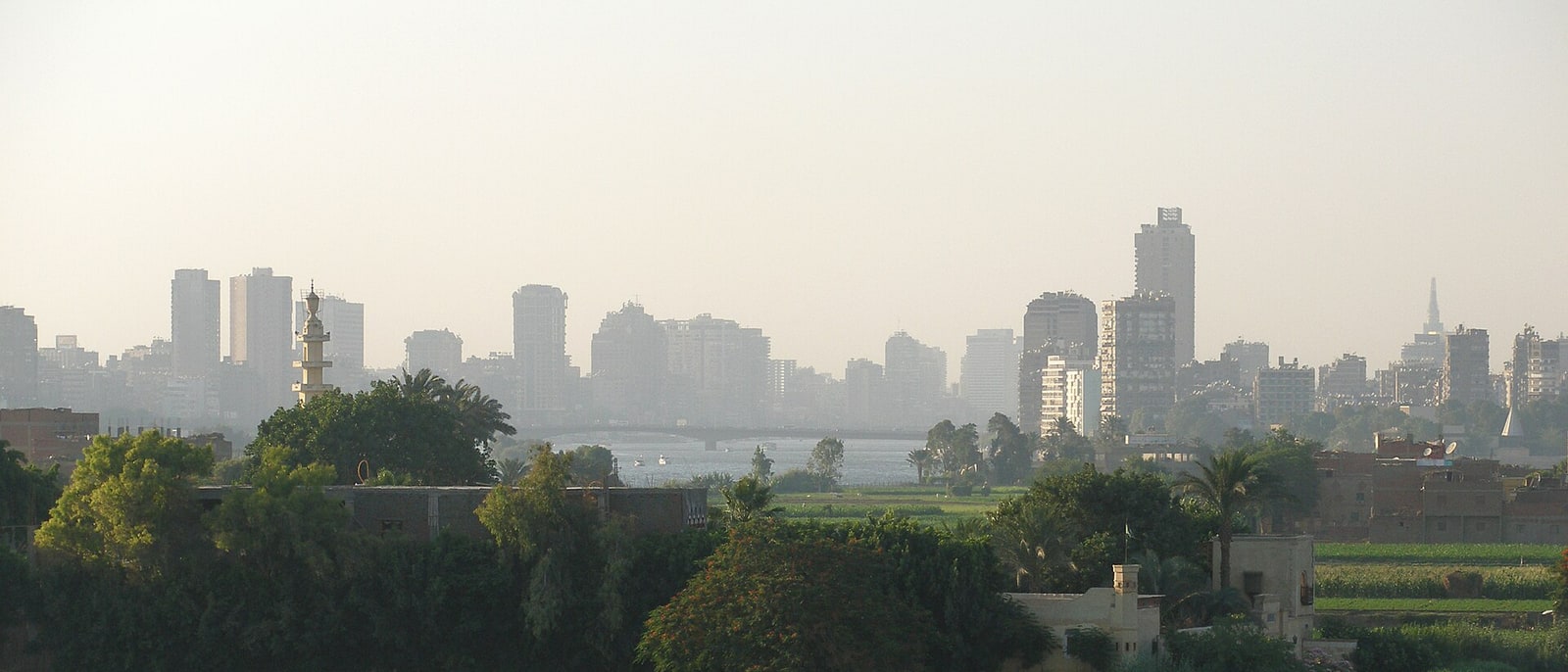
Traffic with no apparent rules and constant commercial persistence in the tourist areas: this city disorients. It isn’t dangerous, but it is exhausting if you arrive not knowing how it works.
Four things change the trip: understanding the visa, the water, the tipping (baksheesh, which here is a system, not a whim) and the heat. No prices: the Egyptian pound moves a lot and any figure ages in weeks.
The route, stop by stop
5 STOPS- 01
The visa
Egypt requires a visa from almost everyone, but it’s one of the easy ones: many nationalities get it on arrival at the airport or apply online for an e-visa before travelling. It’s a formality, not an obstacle. That said, the rule depends on your nationality and it changes, so confirm on the official site or with your consulate before buying the flight, and check your passport has the minimum validity they require.
- 02
Baksheesh: tipping is a system
Tipping works differently here: baksheesh is a social system. It’s given for any service, however small (whoever shows you a tomb, opens a door, helps with your case) and it’s part of many people’s income. The practical key: always carry small notes, plenty of them. With a large note there’s no change and you’ll be stuck. And if someone offers you something unrequested (a photo, an explanation) assume baksheesh will be asked for afterwards.
- 03
The heat, and the sun
From October to April the weather plays along. In summer Cairo tops 40°C and, most importantly, there is not a scrap of shade at the Giza site, no tree, no roof. Midday in July isn’t uncomfortable, it’s dangerous.
The non-negotiable rule: pyramids first thing in the morning, always, whatever the season. Water, hat and sunscreen, and at midday get into an air-conditioned museum.
- 04
Persistence, not danger
Cairo gives a tourist no trouble in terms of crime. What wears you down is the commercial persistence in the tourist areas, especially at Giza: camels, horses, spontaneous guides, photos, souvenirs, constantly. The technique that works is "la, shukran" (no, thank you), a smile, and keep walking without stopping or engaging. Stopping to explain why you don’t want it is what prolongs the negotiation. It isn’t aggressive, it’s their job, but it tires.
- 05
Data on your phone
Data here doesn’t buy convenience, it buys strategy: ride apps work very well in Cairo and are how you move with a fixed price, no haggling and no argument over change. Without data, you’re back to bargaining on every trip. And Egypt is outside the EU, so roaming spikes. A local eSIM activates on landing and, on saving you the taxi negotiation alone across the trip, it has already paid for itself.
Frequently asked
Do you need a visa for Egypt?
Yes for almost all nationalities, but it’s straightforward: many get it on arrival at the airport or apply online for an e-visa before travelling. The rule depends on your passport and it changes, so confirm on the official site before buying your flight.
What is baksheesh?
It’s the Egyptian tipping system: given for any service however small, and part of many people’s income. The practical thing is to always carry plenty of small notes, because with large notes there’s no change.
Is Cairo safe?
Yes in terms of crime: it’s a safe city for tourists. What wears you down is the commercial persistence in tourist areas, especially at Giza. A "la, shukran" (no, thank you) with a smile and walking on without stopping works.