Diving the Red Sea
6 h route4 stopsBest: In the morning: less wind, better visibilityUpdated July 2026
The Red Sea is, for many people, the best value diving in the world: 30-metre visibility, warm water year-round, over 200 coral species and around 1,200 fish species, at prices that are a fraction of the Caribbean or the Pacific.
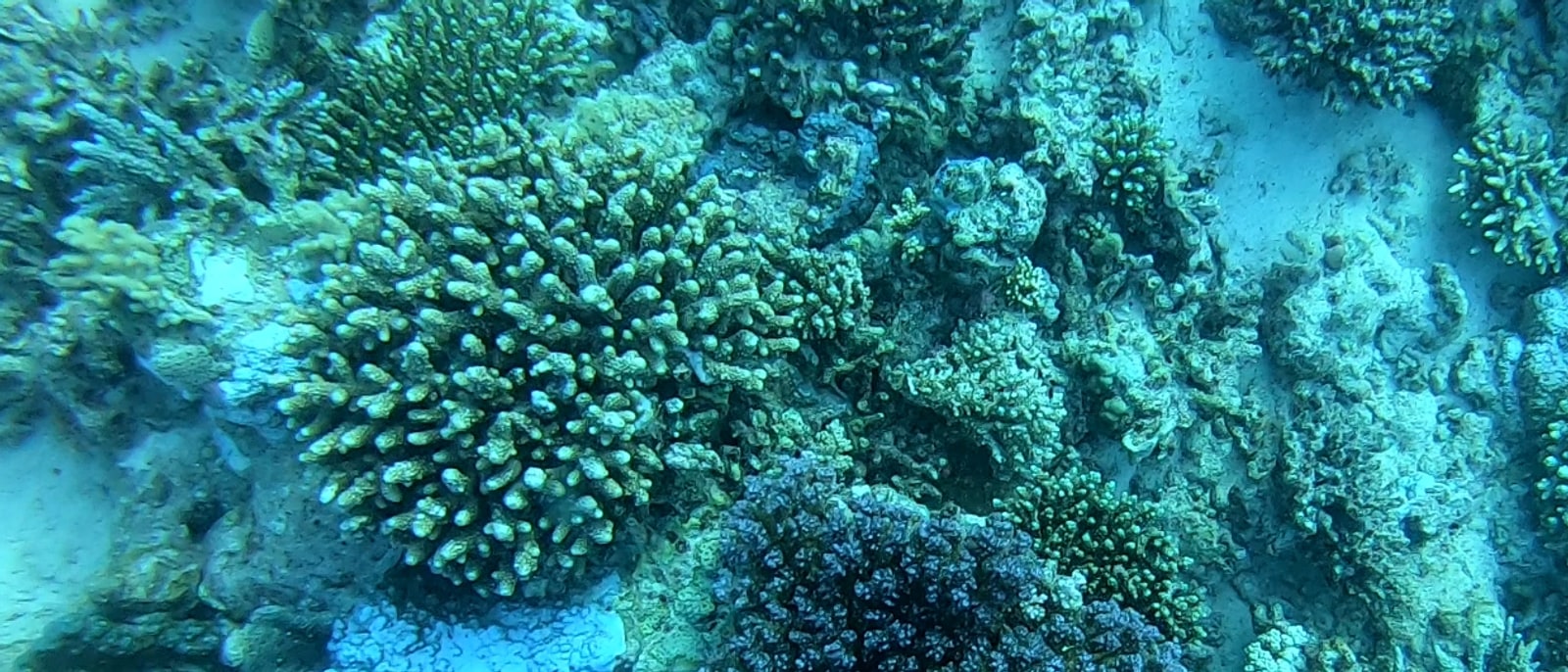
Hurghada is the gateway: there are dozens of centres, you can certify in three days, and there are sites for every level, from the house reef to the war wrecks. And if you don’t dive, with a snorkel you see more than in most seas on the planet.
The route, stop by stop
4 STOPS- 01
Getting certified here
The open water course takes three or four days and here it costs a fraction of what it does in Europe. There are dozens of centres, many with multilingual instructors, and the sea is so good that learning here spoils you for life.
Choose a centre carefully: check it has recognised certification (PADI, SSI), that the kit is in good condition and that the groups are small.
Read recent reviews, not the sign.
- 02
The house reef
What makes Hurghada special: you don’t need a boat. Most coastal hotels have their own reef metres from the jetty, with living coral, clownfish, parrotfish and sometimes turtles. Mask and snorkel, and free.
Two serious rules: don’t touch the coral (it’s alive, takes decades to grow and damaging it in a protected area is an offence) and don’t stand on it.
Wear reef shoes: there are sea urchins and fire coral.
- 03
The wrecks, and the outer reefs
The offshore reefs (Abu Ramada, Careless Reef, Fanadir) are under an hour away by boat and are another level: coral walls, shoals of fish and enormous visibility. They’re done on half- or full-day trips. And there are the wrecks: the Red Sea filled with ships sunk in the Second World War and today they’re artificial reefs teeming with life. The most famous, the Thistlegorm, lies further north, but Hurghada reaches it on long trips.
- 04
What you see
The Red Sea has around 1,200 fish species, 10% of which exist nowhere else on earth, and over 200 hard corals. The usual: clownfish, parrotfish, angelfish, moray eels, rays and enormous shoals of fusiliers. With luck: green turtles, dolphins (there are areas where they’re resident) and, on the long trips, reef sharks. None of this requires being an expert diver: almost all of it sits shallow, because coral needs light.
Frequently asked
Is the Red Sea good for diving?
Among the best in the world, and probably the best value: visibility up to 30 metres, warm water year-round, over 200 coral species and around 1,200 fish species, 10% of them found nowhere else.
Can you get certified in Hurghada?
Yes, and it’s one of the cheapest places in the world to do it: the open water course takes three or four days. Choose a centre with recognised certification (PADI, SSI), well-maintained kit and small groups.
Can you touch the coral?
No: coral is alive, takes decades to grow, and damaging it in a protected area is an offence. Don’t stand on it either. Wear reef shoes, because there are sea urchins and fire coral, which burns on contact.