Istanbul: practical tips
1 h route5 stopsBest: April-May and September-OctoberUpdated July 2026
Do four things on arrival and the city becomes far easier than it looks: get an İstanbulkart, understand the mosque code, accept that bazaars mean haggling, and never trust journey times by car.
Here’s the practical stuff. No prices: Turkey has high inflation and any figure I give you today will be wrong next month. That’s what the operators and the signs are for.
The route, stop by stop
5 STOPS- 01
The İstanbulkart: the first thing to buy
The city’s transit card heads any shopping list: from machines at the airport or any station, topped up, and valid on the metro, tram, bus, funicular and, crucially, the ferries crossing the Bosphorus.
With it, crossing to Asia costs the same as a bus ticket, and that’s the best bargain in the city. Without it, every journey is a hassle.
One card can pay for several fares, so two people can share.
- 02
The mosques: the rules and the hours
Istanbul’s mosques don’t work as museums: they’re working places of worship and they close to visitors during the five daily prayers, which shift with the sun. If you find the door shut, wait twenty minutes.
The code: shoulders and knees covered for everyone, women with hair covered, scarves are lent at the entrance, and shoes off, carried in your hand or a bag.
There’s nothing else to it: entry is free and nobody will look at you badly if you come respectfully.
- 03
Haggling, and the usual scams
In the Grand Bazaar and the souks you haggle, and it isn’t optional: the first price is the opening bid. Counter without fear, in good humour, and if you don’t reach a deal, no harm done. In normal shops and supermarkets, the price is the price. The classic scam: a friendly person approaches you in the street, strikes up a conversation and you end up in a carpet shop or a bar with an absurd bill. Simple rule: if they approach you, no. If you walk in yourself, yes.
- 04
The traffic, and the ferry
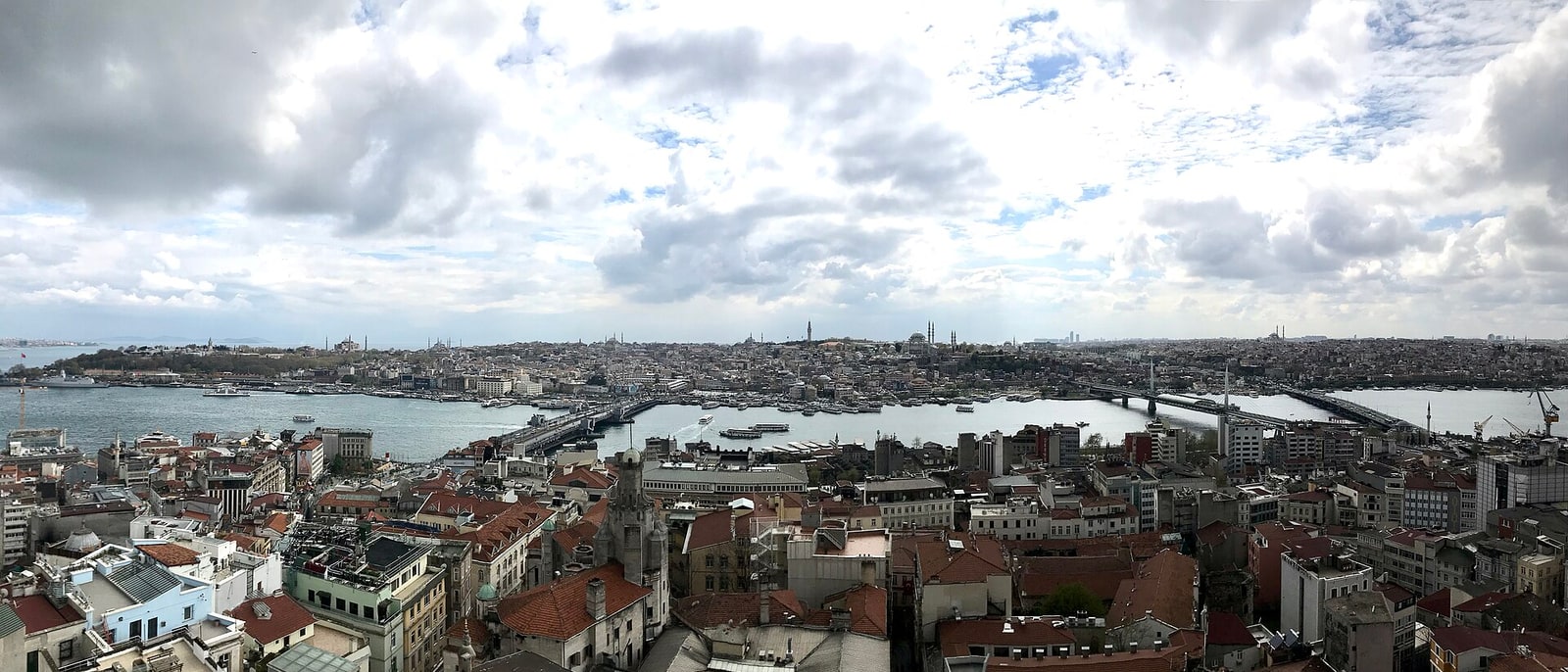
Istanbul has some of the worst traffic on the planet and that isn’t an exaggeration: fifteen million people and two bridges. Any estimate you make by car or taxi, multiply it, especially at going-home time. The solution is the water: ferries cross the Bosphorus constantly, don’t know what a jam is and cost the price of a bus ticket. Whenever you can choose between ferry and car, take the ferry. Always.
- 05
Data on your phone
Important warning: Turkey sits OUTSIDE the European Union, so your European roaming plan doesn’t apply here, and surprise bills are a classic of this destination. It isn’t like travelling to Italy. And you will need your phone: maps for the Grand Bazaar and the slopes of Balat, ferry timetables, taxi apps to avoid arguing over the fare. A local eSIM activates on landing and costs a fraction of roaming.
Frequently asked
What is the İstanbulkart and where do you buy it?
It’s Istanbul’s transit card: valid on the metro, tram, bus, funicular and the Bosphorus ferries. You buy and top it up at machines in the airport and any station, and one card can pay for several fares.
Does EU roaming work in Turkey?
No: Turkey is not in the European Union, so EU roaming rules don’t apply and it’s billed as an international destination. It’s one of the destinations with the most surprise phone bills.
Do you have to haggle in the Grand Bazaar?
Yes, it’s the norm: the first price you’re given is the opening bid and you’re expected to counter. In normal shops and supermarkets, by contrast, prices are fixed and there’s no haggling.