OZU /MOROCCO /CASABLANCA /GUIDE
Casablanca: practical tips
1 h route5 stopsBest: Year-round: the Atlantic keeps it between 15 and 27°CUpdated July 2026
Nobody touts you in the street, nobody offers to guide you and prices are marked in most places. This is the easiest Moroccan city for a Western traveller, and also the least "Moroccan" in the brochure sense: it’s a city that works.
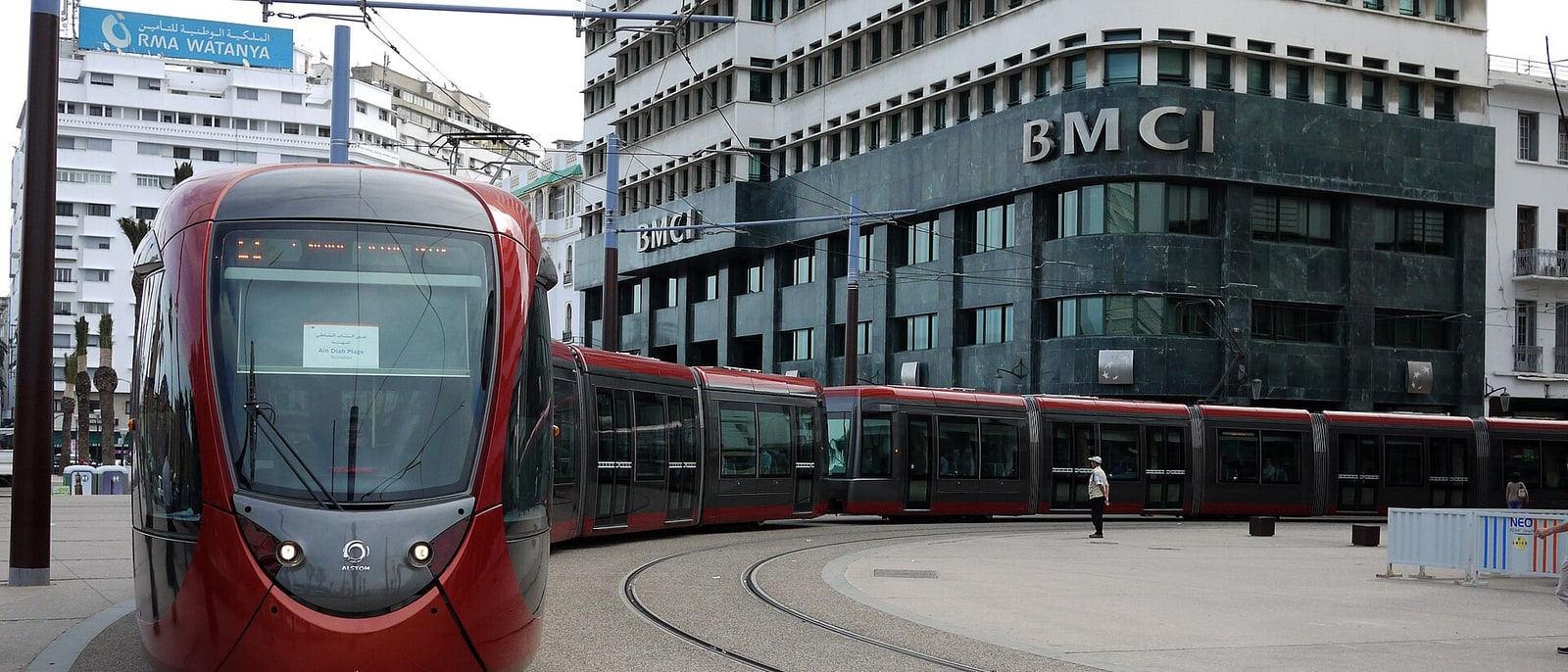
In exchange: real traffic, little obvious beauty and no concessions to tourists. Here are the four practical things worth knowing, including the one most people skip: the mosque is visited only on tours at set times.
The route, stop by stop
5 STOPS- 01
The mosque is visited by appointment
Plenty of people arrive not knowing this is the main reason to come: the Hassan II Mosque is visited only on guided tours, at set times of day, and outside those slots you don’t get in. The times shift with prayers and with Ramadan. Check the day’s schedule before planning anything else, because it dictates the rest. And go with shoulders and knees covered: it’s a working place of worship, not a museum.
- 02
Nobody here is going to hustle you
The big difference from Marrakech or Fez: Casablanca doesn’t live on tourism, so nobody approaches you in the street, nobody offers to take you anywhere, and in most shops the price is marked and not negotiated.
You still haggle in the old medina and with taxis, but the atmosphere is completely different: here you’re just someone passing, not a potential customer.
For plenty of people, that alone justifies the day.
- 03
The taxis: petits and grands
Two kinds: the petits taxis, small and red, which only run inside the city and are metered. And the grands taxis, white, for long trips and the airport, with a negotiated or posted fare. In the red ones, insist on the meter ("compteur, s'il vous plaît"): it’s compulsory and many don’t use it with foreigners. They share rides with other passengers, so don’t be surprised if the driver stops to pick someone else up: it’s normal and legal.
- 04
Money, language and weather
The dirham works as a closed currency: change on arrival or use an ATM, and it shouldn’t leave the country. Cards work far better here than in Marrakech, but carry cash for taxis and the market.
Language: Arabic and Amazigh are official, but French is spoken everywhere and is the language of business. With French you get around perfectly.
And the climate is the best news: the Atlantic keeps the city between 15 and 27°C year-round, so there’s no bad season.
- 05
Data on your phone
Morocco does NOT belong to the European Union: your European roaming plan doesn’t apply and this is where the surprise bills arrive, even though you’re a hop from Spain.
And in Casablanca you’ll use it more than in Marrakech: it’s a city of four million where you move by taxi and map, the mosque’s tour times are checked online, and the distances are long.
A local eSIM activates on landing, and here the train leaves from under the terminal, so you’ll want it the moment you walk out.
Frequently asked
Is Casablanca easier than Marrakech for tourists?
Yes, in terms of hassle: because it doesn’t live on tourism, nobody approaches you in the street or offers to guide you, and in most shops prices are marked. In exchange it has heavy traffic and less obvious beauty.
What language is spoken in Casablanca?
Arabic and Amazigh are official, but French is spoken everywhere and is the language of business: with French you manage fine. English is less common outside hotels.
When is the best time to visit Casablanca?
Any: the Atlantic keeps the city between 15 and 27°C all year, so it lacks Marrakech’s extremes. It’s one of the few Moroccan destinations you can visit in August without suffering.