Eating in Barcelona: areas and dishes
3 h route4 stopsBest: Lunch 1.30-3.30pm. Dinner from 9pmUpdated July 2026
Rule one for eating in Barcelona: don’t eat on the Ramblas. Rule two: paella is Valencian, not Catalan, and if it’s offered with a photo by the door, run. The local food is something else (pa amb tomàquet, escalivada, butifarra, calçots in winter, seafood) and it’s two streets from where they want to seat you.
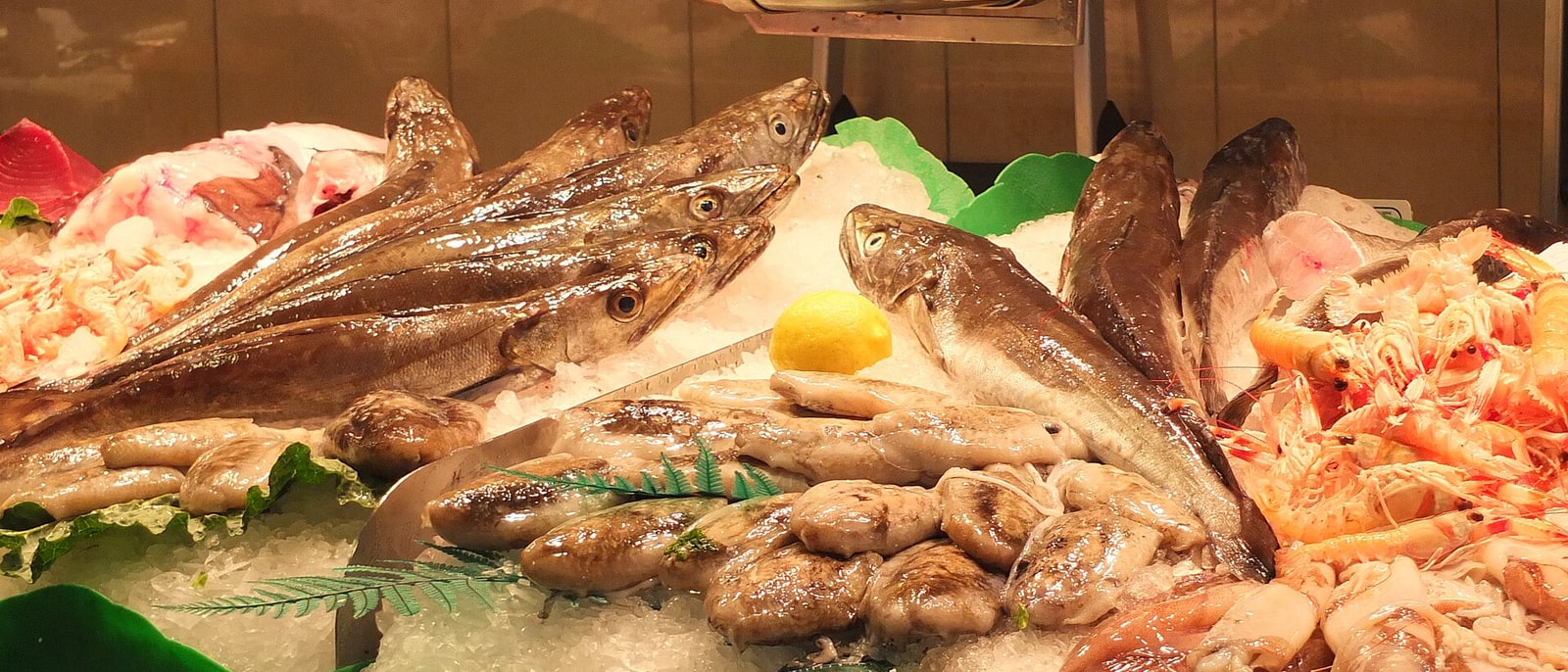
We won’t give you a restaurant list because they change hands and standards: we give you the areas to eat well and the dishes to order. And the handful of institutions open for a century that aren’t going anywhere.
The route, stop by stop
4 STOPS- 01
El Born and Santa Caterina
El Born packs the old town’s bars: narrow streets of vermouth houses, bodegas and tapas places, and its own Modernist market, Santa Caterina, with its wavy coloured roof. It’s the Boqueria without the stampede. It’s the area to have dinner without overthinking: walk in wherever there are locals and order to share. Ask for pa amb tomàquet as the default side: here it’s a religion.
- 02
Gràcia
Gràcia was annexed by Barcelona in 1897 and still behaves like a separate village: a tangle of pedestrian streets and small squares with terraces, full of residents rather than tourists. It’s where people who live here eat. Prices drop and quality rises the moment you climb above the Diagonal. Plaça del Sol and Plaça de la Virreina are the two starting points.
- 03
La Barceloneta, for the seafood
The old fishermen’s quarter, between the port and the beach: it’s the one place in the city where ordering seafood and rice makes complete sense. Look for the places inside the barrio, not on the seafront promenade. The bomba (a stuffed, spicy potato ball) is the local invention here, and midday vermouth is the custom. The beach chiringuitos are for a beer, not for a meal.
- 04
The dishes that belong here
Pa amb tomàquet (bread with tomato) accompanies everything. Escalivada is fire-roasted vegetables. Butifarra is the local sausage, ordered with mongetes (beans). For dessert, crema catalana, the original of the crème brûlée, and here they’re clear about that.
In winter, if you land between January and March, calçots: tender roasted onions eaten with your hands, dipped in romesco sauce, bib on. It’s a party more than a dish.
And sangría is for tourists: locals drink vermouth or house wine.
Frequently asked
Where to eat well in Barcelona without tourist traps?
Away from the Ramblas: El Born, Gràcia and the inner Barceloneta. The practical rule is to avoid places with photos of the food by the door and a waiter touting on the street.
Is paella typical of Barcelona?
No: paella is Valencian. Barcelona’s own are pa amb tomàquet, escalivada, butifarra, calçots in winter and seafood in the Barceloneta. Rice is eaten, but it isn’t the city’s dish.
What are calçots and when do you eat them?
They’re tender onions roasted over embers, eaten with your hands dipped in romesco sauce, bib on. It’s a Catalan winter tradition: the season runs roughly from January to March.