A weekend in Tbilisi
20 h route3 stopsBest: September and October: harvest time, the rtveliUpdated July 2026
Saturday and Sunday split here into two very different halves: Saturday, the city, compact enough to walk end to end. Sunday, get out, because less than two hours away is the region that has been making wine for eight thousand years.
And that isn’t a brochure figure: the oldest known grape wine residues were found in Georgia, and the traditional method, fermenting in buried clay vessels called qvevri, is recognised by UNESCO as intangible heritage.
The route, stop by stop
3 STOPS- 01
Saturday: the Dry Bridge market and Fabrika
The Dry Bridge market began in the 1990s, when people sold their belongings to survive the collapse that followed independence, and it stayed. Today it sells medals, cameras, crockery, watches and Soviet objects of every kind, alongside paintings and costume jewellery. Recent history laid out on a blanket.
Across the river, Fabrika is a Soviet sewing factory turned hostel and courtyard of bars and workshops. It shows the city’s other face: the young people who stayed or came back, heavy on design, craft beer and second-hand clothes.
- 02
Saturday night: a supra
The supra, the Georgian feast, isn’t simply eating a lot: it has a figure, the tamada, who acts as toastmaster and sets the order (to peace, to the absent, to the ancestors, to the children) and between toasts you eat and drink. The toasts are long and they’re listened to. The table is served all at once and the dishes get literally stacked on top of each other, because there isn’t room. If you’re invited to a real supra, in a house, go: it’s where the country makes the most sense. And know that saying “no more for me” doesn’t work first time.
- 03
Sunday: Kakheti and Sighnaghi
Kakheti holds most of the visitable cellars, many of them family-run, and is the country’s main wine region. What to ask for is to be shown the qvevri: the clay vessels buried up to the neck where wine ferments with its skins and pips, which is what produces the “amber wine” Georgia is known for.
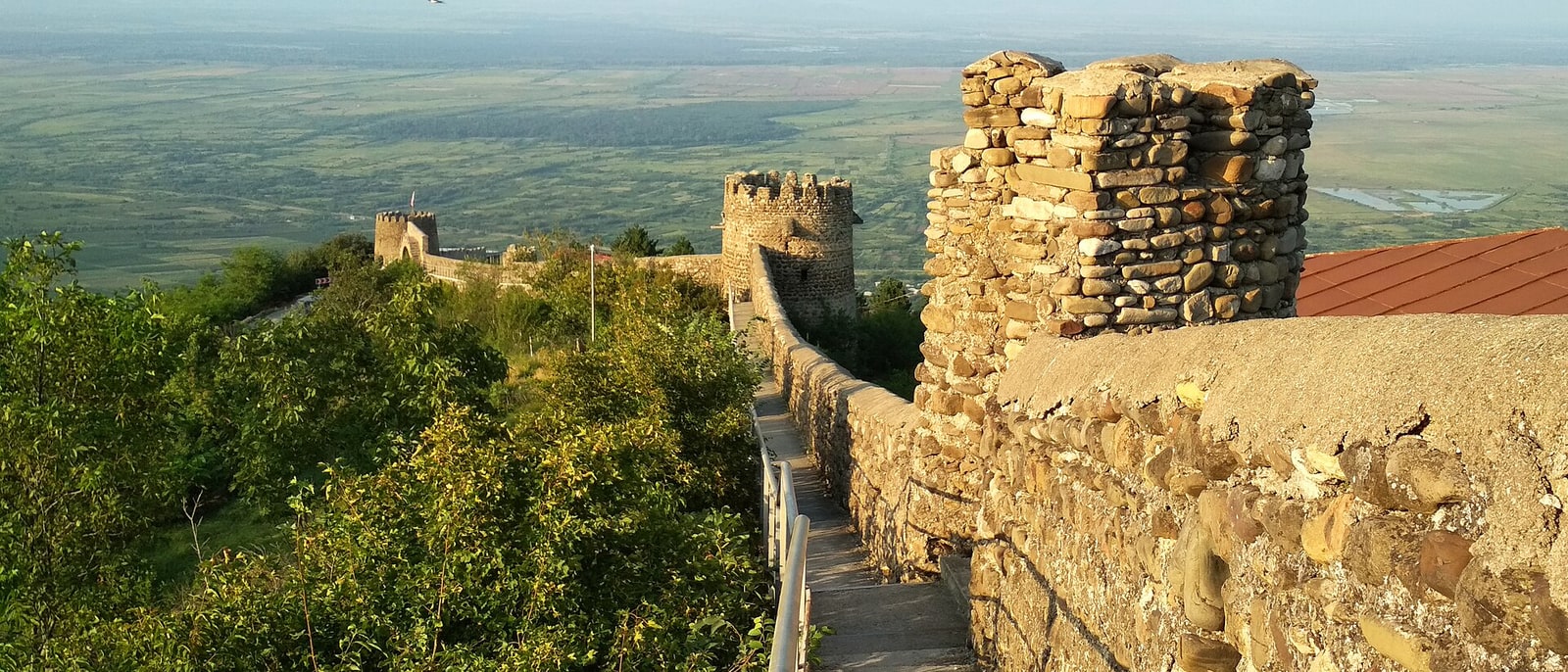
Sighnaghi is the pretty town of the area: walled, with balconied houses and views over the Alazani valley and, behind it, the snow of the Caucasus range.
It’s called “the city of love” because its registry office is open around the clock and you can marry without waiting. A day covers one cellar and the town.
Frequently asked
What is Georgian amber wine?
White wine fermented with the skins and pips left in, as if it were red, traditionally in buried clay vessels (qvevri). That gives it an orange colour, tannin and a texture unlike any ordinary white. It’s the oldest known method and it’s still in use.