What to see in Dublin
14 h route4 stopsBest: May to September. 16 June for BloomsdayUpdated July 2026
The Book of Kells and the Guinness are the obvious visit, but what makes Dublin unlike any other capital its size is the literature, and not as decoration: four Nobel laureates (Yeats, Shaw, Beckett and Heaney) with Irish ties, and a city that is itself the setting of one of the twentieth century’s most influential novels.
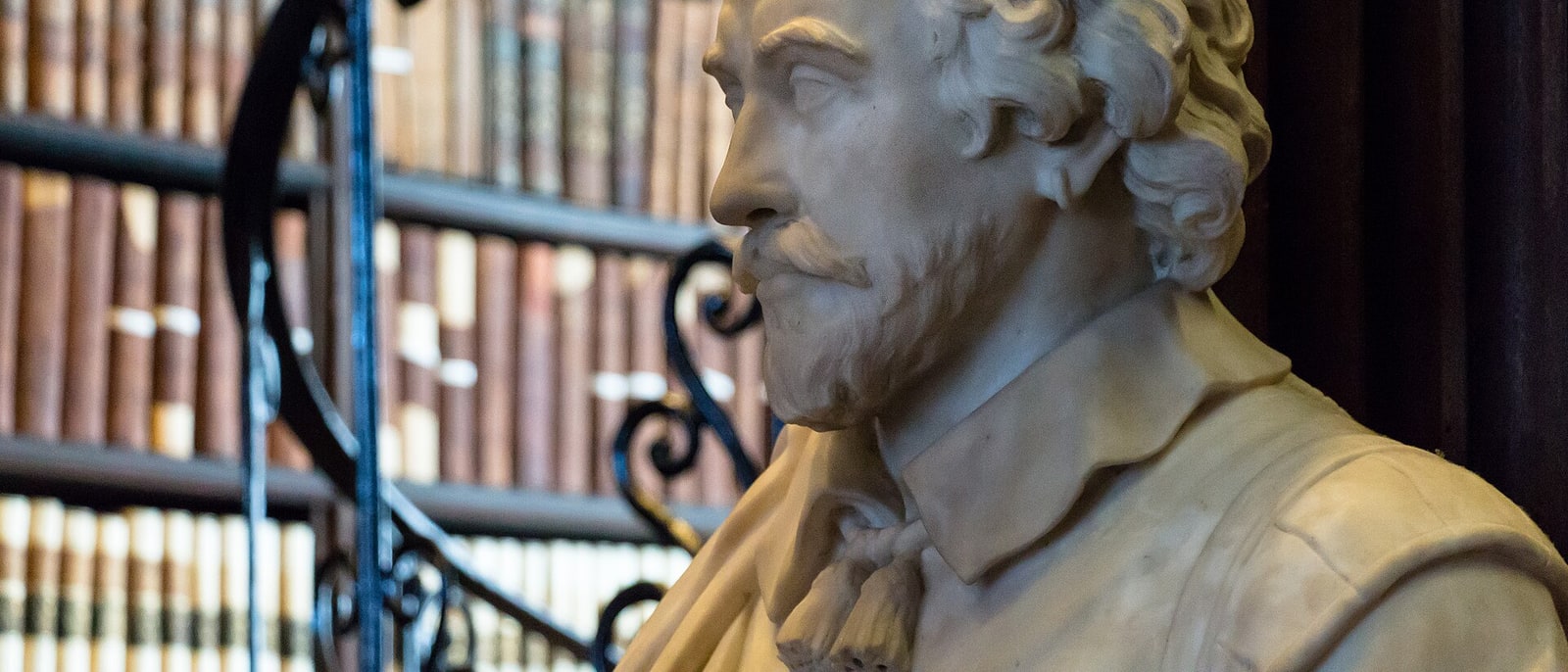
And there’s a second layer, of the largest park in western Europe, which sits inside the city and has wild deer.
The route, stop by stop
4 STOPS- 01
Joyce’s Dublin and Bloomsday
James Joyce wrote “Ulysses” outside Ireland but set it entirely in Dublin, over a single day: 16 June 1904, the date of his first outing with Nora Barnacle. He said that if the city vanished it could be rebuilt from the book, and he wasn’t exaggerating much: the street names, shops and pubs are real.
Every 16 June the city marks Bloomsday, after the protagonist Leopold Bloom: people dress in period costume, there are readings in the street and breakfasts of pork kidneys, which is what Bloom eats in the fourth chapter. It’s a genuine literary festival, not a set-up for tourists.
The rest of the year there’s the Martello tower at Sandycove, where the novel opens and which now holds a small museum, and MoLI, the museum of Irish literature, in a Georgian house with a garden.
- 02
Phoenix Park
Phoenix Park covers over seven hundred hectares and is among the largest enclosed urban parks in Europe: nearly twice Central Park. Inside is a herd of fallow deer that has been there since the seventeenth century, when it was created as a royal hunting ground, and which shows itself readily on the grassland.
It also holds the official residence of the President of Ireland, that of the American ambassador, Dublin Zoo (one of the world’s oldest, from 1831) and an enormous obelisk to Wellington, who was a Dubliner though he preferred not to dwell on it.
It’s best covered by bike, hireable at the entrance.
- 03
The EPIC museum and emigration
EPIC sits in the vaulted cellars of a nineteenth-century dockside warehouse and tells the story of Irish emigration: the millions who left because of the Great Famine of 1845-1852, when the potato rotted from a fungus and the country lost around a quarter of its population between deaths and departures, and those who kept leaving for a century and a half after. It’s a museum with almost no objects, built from projections and interactives, and it works very well: you come out understanding why there are Irish pubs in every city on earth and why so many American presidents go looking for a grandparent in County Mayo.
- 04
The national museums, which are free
Ireland’s national museums are free to enter, and the Archaeology one, on Kildare Street, holds two exceptional things. One is the prehistoric gold collection, among the largest in western Europe. The other is the bog bodies room: Iron Age people preserved by the acidity and oxygen starvation of the bogs, skin, hair and fingernails intact after two thousand years.
They’re the remains of ritual sacrifices and the display is handled with great care, with a warning before you enter. Beside it, in the same building, is the Celtic treasure: the Tara brooch, the Ardagh chalice. It’s among the most impressive museums in Europe and it costs nothing.
Frequently asked
Which museums are free in Dublin?
The national ones: Archaeology, with the Celtic gold and the bog bodies, Natural History, Decorative Arts and History, and the National Gallery. In an expensive city, it’s the best way to fill a rainy day without spending.
What is Bloomsday?
The annual celebration on 16 June, the day on which Joyce’s “Ulysses” entirely takes place. In Dublin there are public readings, people dressed as in 1904 and breakfasts of the dishes the protagonist eats. The date is that of Joyce’s first outing with Nora Barnacle.