OZU /NETHERLANDS /AMSTERDAM /GUIDE
Amsterdam in a day
8 h route4 stopsBest: April-May or September. And it rains: that isn’t negotiableUpdated July 2026
The canal houses lean forward and it isn’t that they’re falling down: they’re built that way on purpose. Look at the top of any of them and you’ll see a beam sticking out of the façade with a hook hanging from it. That hook is the reason for everything: the internal staircases are so narrow and steep that furniture won’t fit, so things go up the outside, on a pulley, and in through the window. If the façade were vertical, the wardrobe would bang the wall on every haul. Tilt it a few degrees and it goes up clean.
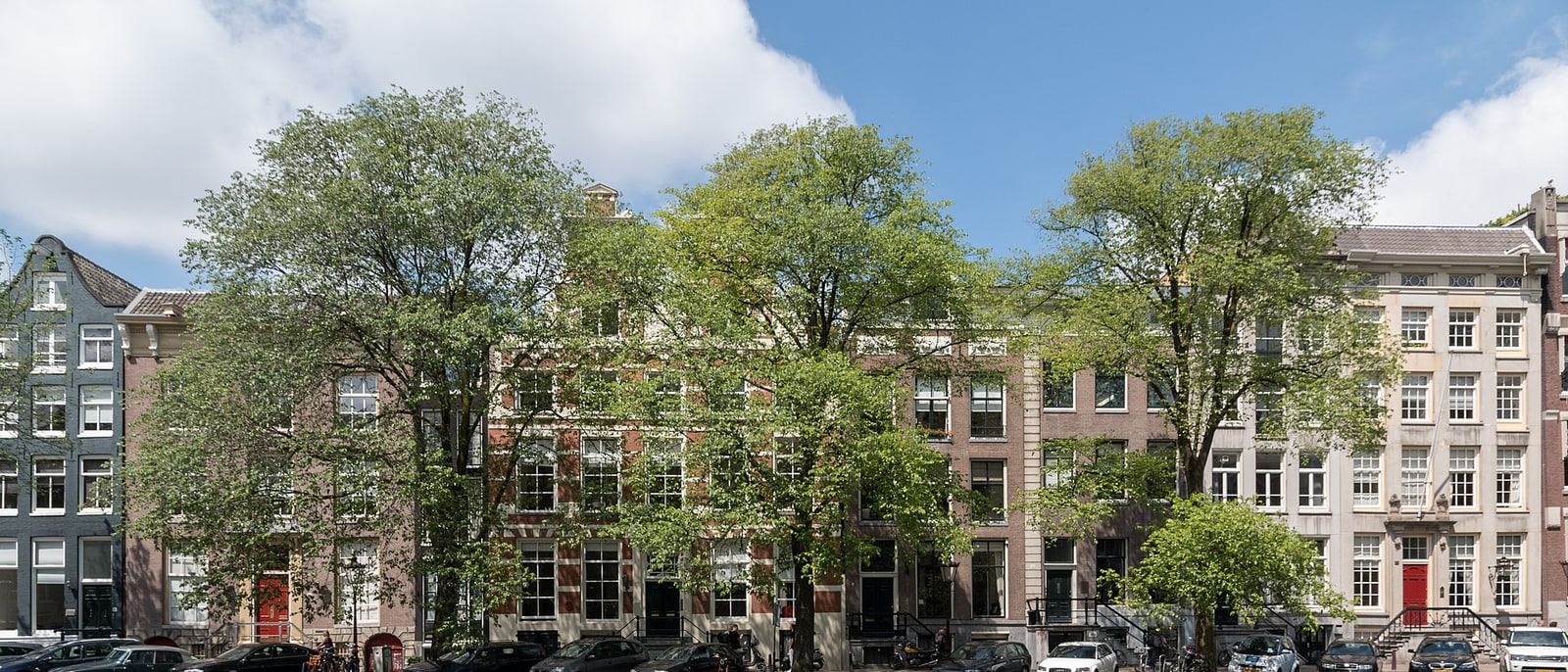
That detail, an entire city designed around a domestic logistics problem, is the best way into Amsterdam, because here almost everything that looks picturesque is actually a practical solution to something. The houses are narrow because tax was paid on the width of the plot. The canals aren’t romantic: they’re seventeenth-century freight infrastructure. A day here is about looking closely and asking why.
The route, stop by stop
4 STOPS- 01
The canal ring
Three concentric canals ringing the old town, dug from 1613 and listed as World Heritage. You walk them without a plan, which is the only way, and you have to accept you’ll get lost because they all look alike. The mnemonic they use here for the order from inside out is a phrase: Herengracht, Keizersgracht, Prinsengracht (gentlemen, emperor, princes) in descending order of rank.
And they weren’t made for looks. In the seventeenth century, Amsterdam was the richest port in the world and needed to bring goods to the warehouse door: the canals are loading quays, and the houses you see were warehouse below, dwelling in the middle and loft above, with the hook to haul the bales. That system, the city as an inland port, is what was listed as World Heritage: not the views.
Look at the bricks at water level and you’ll see the mooring rings. And walk the Jordaan and the Nine Streets, which is where the ring gets good.
- 02
The Night Watch
The most famous painting in the Netherlands is in the Rijksmuseum and it has two things almost nobody knows. The first: it isn’t a night scene. Rembrandt painted a civic guard heading out in broad daylight, with sun shadows. It darkened over the centuries under layers of varnish that turned brown, and by the time someone gave it that nickname, in the eighteenth century, it already looked like night. The name stuck, and it’s a conservation error turned into a title.
The second is worse: the painting is mutilated. In 1715 it was moved to the town hall and didn’t fit the space on the wall, so they trimmed it: they sawed off a strip along the top and the sides, and on the left they took two whole figures. Those pieces were lost. In recent years they’ve been recreated through research and analysis so it can be seen complete. That the national masterpiece was sawn down to fit a wall is the most Dutch thing you can tell.
- 03
The Anne Frank House
First, and very practical: tickets are sold only online, with a date and time, and they sell out weeks ahead. There’s no box office. Turn up at the door and you don’t get in. If this matters to you, book it before the flight.
And on the visit: it’s the real house, with the rear annexe where eight people lived hidden for two years, with the swivelling bookcase that covered the door and the empty rooms. They’re kept empty on purpose, without furniture, by decision of Anne’s father, the only survivor: he said that’s how they’d stay. There are the pencil marks on the wall where the girls were measured as they grew, and the magazine clippings she stuck up.
You go through in silence and without photos. It’s a short visit and you don’t come out the way you went in. Go early in the morning or at the very end, which is when there are fewest people.
- 04
The palace that was a town hall
On Dam square there’s an enormous stone building that today is a royal palace and that was built as a town hall in 1655. When it went up it was the largest civic building in Europe, and that fact tells the moment: a city of merchants building a town hall larger than any palace on the continent, because there was no king in charge here, a council of merchants was. It became a palace when Napoleon made his brother king and the brother decided to keep it.
And underneath is what you need to know: this building stands on thirteen thousand six hundred-odd tree trunks driven into the ground. All of Amsterdam does. There’s no rock here: there’s peat and soft sand, and to build anything you drive wooden piles down to a firm sand layer some eleven metres below.
This whole city floats, literally, on a forest of sunken, ordered trunks. And those trunks are starting to cause problems, which is the part nobody tells.
Frequently asked
Why do Amsterdam’s houses lean?
The ones leaning forward do it on purpose: look at the beam with a hook at the top of every façade. The internal staircases are so narrow that furniture won’t fit, so everything goes up the outside on a pulley and in through the window, and if the façade were vertical the furniture would bang the wall on every haul. The ones leaning sideways, though, are another matter: that’s the wooden piles underneath, which have shifted.
Why is it called the Night Watch?
By mistake. Rembrandt painted a scene in broad daylight, with sun shadows, but the painting darkened under centuries of varnish layers that turned brown, and when someone gave it that nickname in the eighteenth century it already looked nocturnal. The name stuck. And there’s worse: in 1715 it was sawn down because it didn’t fit a wall in the town hall, and on the left two whole figures were lost.