OZU /NETHERLANDS /AMSTERDAM /GUIDE
Amsterdam: practical tips
1 h route4 stopsBest: April-May or September. And bring a raincoat in any monthUpdated July 2026
Plenty of shops in the Netherlands don’t take credit cards. It isn’t a terminal error or bad luck: here the usual payment system is debit, and there are supermarkets, cafés and shops that simply don’t accept Visa or Mastercard credit, only debit cards. It’s one of the things that most throws visitors and almost nobody warns about it.
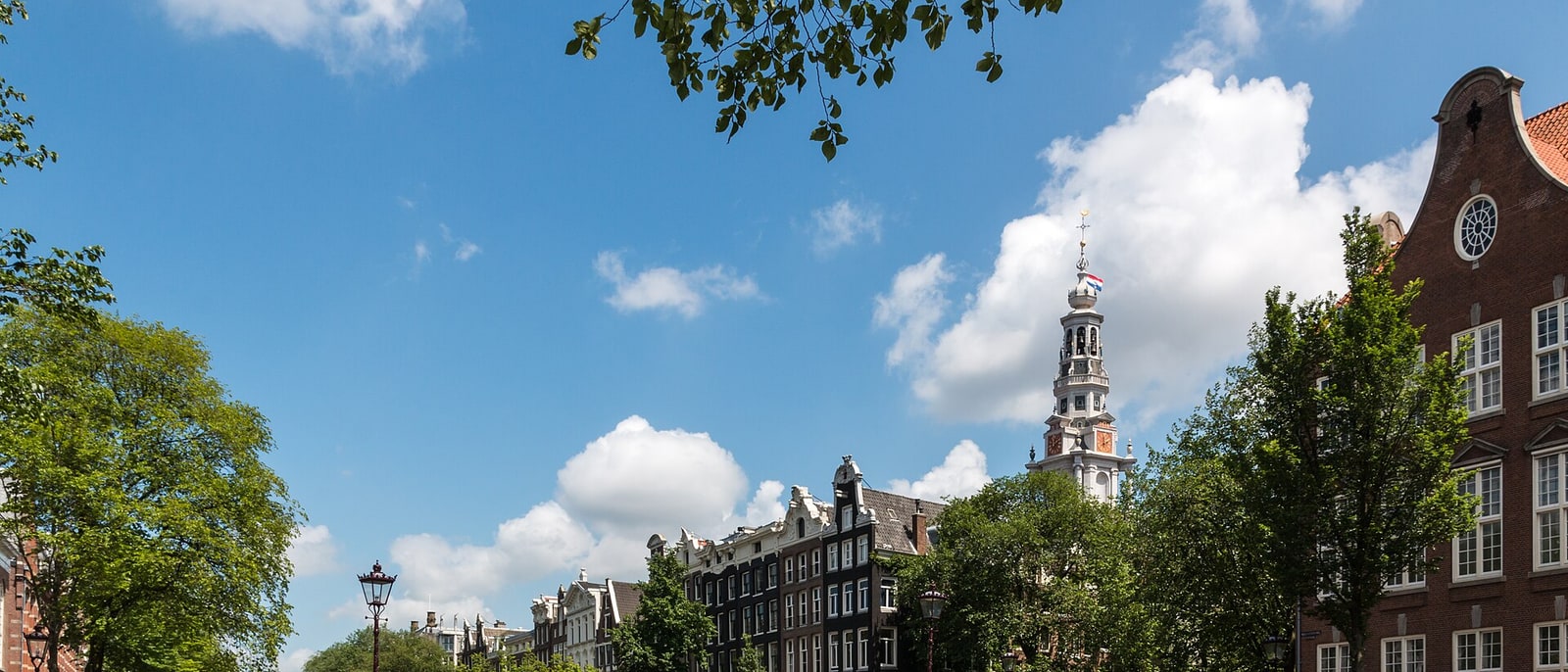
The practical solution: carry a debit card, not only a credit one, and keep some cash in reserve even though it’s barely used here. If you’re about to pay for something significant, ask before ordering. And from there, this is one of the easiest cities in Europe, provided you respect two things: the bike lanes and the fact that the city has grown tired of one particular kind of tourist.
The route, stop by stop
4 STOPS- 01
The bike lane, the only dangerous thing
The only real danger in Amsterdam for a visitor is the bike, and not because cyclists are aggressive, but because you aren’t looking. The bike lane is carriageway, not pavement: it moves at speed, it has priority and it won’t brake for you. In a city with more bikes than residents, standing in the middle of the lane for a photo is the equivalent of stopping in the middle of a road.
The rule when crossing any street here is to look three times and in three different places: first the bike lane, then the road, then the tram tracks. They come from different places and in different directions.
And if you hire a bike, which is worth it: use the lane, signal turns with your arm, don’t stop in the middle, don’t go the wrong way and use lights at night, which is compulsory and fined. And don’t drink and pedal: here a bike is a vehicle in law. That twelve or fifteen thousand bikes end up in the canals each year, and that the city has a boat dedicated to dredging them out, gives you the scale of the thing.
- 02
The coffeeshops, and what they aren’t
Here comes the nuance almost no guide explains: cannabis isn’t legal in the Netherlands. It’s illegal and tolerated, which is another thing. The policy is called gedogen and it means the prosecution service decides not to pursue certain conduct under strict conditions: small quantity, no alcohol on the premises, no minors, no advertising. That’s the same logic by which Catholic churches hidden in attics were tolerated four hundred years ago.
And out of it comes the contradiction they call the back door problem here: a coffeeshop can sell out of the front door with nothing happening to it, but buying from a supplier and stocking up out the back is still a crime. So the business is tolerated at the front and illegal at the back, and it’s been that way for decades.
Practical: since 2023 you can’t smoke in the street in the historic centre and there are fines. Never buy on the street. And if you aren’t used to it, be very careful with edibles, which take hours to take effect: most of the tourist scares that end in an ambulance in this city are from that.
- 03
The city has had enough
In 2018, Amsterdam removed the giant “I amsterdam” letters that stood in front of the Rijksmuseum. They weren’t broken and they weren’t in the way: they were taken away on purpose, because the council decided they symbolised a photo-and-crowd tourism it no longer wanted. That gesture sums up this city’s policy ever since.
What has come since: a ban on new hotels, limits on cruise ships, a ban on guided tours of the red light district, a ban on smoking in the street in the centre, restrictions on tourist lets, a tourist tax among the highest in Europe and official campaigns asking a certain profile of visitor directly not to come. I’m not telling you this to make you feel bad: I’m telling you so you understand the atmosphere and don’t take it personally. People live here, half a million of them in a small historic core, and they’ve been saturated for years.
Be a visitor and not a problem: don’t shout at night on the canals, don’t stand in the bike lane and don’t treat a residential quarter as a theme park. With that, this city will treat you superbly.
- 04
The easy parts, and the weather
The easy parts: you can drink from the tap without thinking, English is spoken absolutely everywhere and to a very high level, the city is small and everything is walkable, and it’s safe. Tipping isn’t compulsory: you round up or leave a good five per cent if you enjoyed it, and in many places service is already included.
And the weather, which is the subject: it will rain. In any month of the year, July included.
It usually isn’t a downpour, it’s a drizzle with side wind that makes an umbrella useless: in fact almost nobody here uses one, because the wind destroys it. What people wear is a hooded raincoat.
And the important part: nothing is cancelled for rain here. People cycle anyway, raincoat on and one hand on the handlebars. If you take cover every time four drops fall, you won’t leave the hotel. Go prepared and do what they do: carry on.
Frequently asked
Is cannabis legal in Amsterdam?
No. It’s illegal and tolerated, which isn’t the same: the policy is called gedogen and it means it isn’t pursued under strict conditions. Small quantity, no alcohol on the premises, no minors, no advertising. Out of it comes the so-called back door problem: the coffeeshop can sell at the front, but stocking up at the back is still a crime. Since 2023 you can’t smoke in the street in the historic centre, and there are fines. Careful with edibles: they take hours to take effect.
Do they take credit cards in Amsterdam?
Plenty of places don’t. Here the usual system is debit, and there are supermarkets, cafés and shops that simply don’t accept Visa or Mastercard credit, only debit. It isn’t a terminal fault. Carry a debit card and some cash in reserve, and if you’re about to pay for something significant, ask before ordering.