Where to stay in Venice
1 h route5 stopsBest: All yearUpdated July 2026
The six sestieri (San Marco, Cannaregio, Castello, Dorsoduro, San Polo and Santa Croce) are the city’s historic division, and you need to know them because the address system is based on them: door numbers don’t run by street, they run consecutively across a whole sestiere and can pass six thousand. A Venetian address doesn’t tell you where the door is.
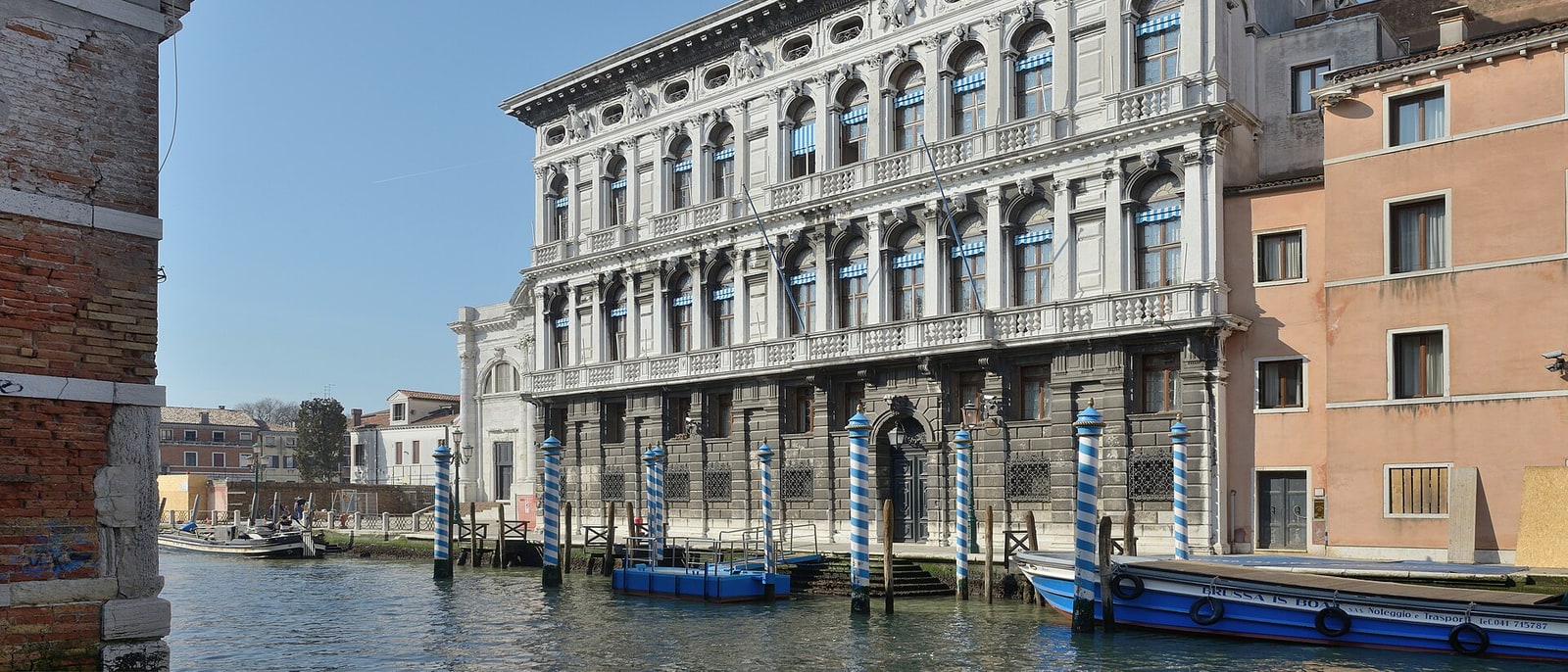
The practical consequence when booking: note the hotel’s name and its nearest vaporetto landing, not the number. And bear the bridges in mind: every one has steps, and with a suitcase you feel them.
The route, stop by stop
5 STOPS- 01
San Marco
The sestiere of the basilica, the Doge’s Palace and the luxury shops. Sleeping here means having the main sights on foot and seeing the square first thing, empty, which is when it genuinely impresses. It’s also the priciest and the busiest during the day. At night it goes quiet because there are hardly any residents. A good choice for one or two nights if the budget allows.
- 02
Cannaregio
The largest sestiere and the one where people still live: schools, greengrocers, washing strung between windows and bacari full of Venetians in the evening. It’s to the north, between the railway station and the Rialto, so everything is walkable. The Ghetto is inside it, with its very tall houses and its synagogues. The strip beside the station gets a lot of through traffic and some noise. Inland, along the Misericordia canals, is among the quietest and most genuine parts of the city. It’s usually better value than San Marco.
- 03
Dorsoduro
South of the Grand Canal, Dorsoduro has the university, the Accademia, the Guggenheim and the Salute basilica, and a young neighbourhood life around Campo Santa Margherita, where the students go out.
It’s quiet, handsome and ten minutes on foot from St Mark’s across the Accademia bridge. For many it’s the city’s best balance between being central and not being in the crowd.
The Zattere, the southern promenade, is the best spot for sunset.
- 04
Castello and the Giudecca
Castello stretches east, the largest sestiere, with the Arsenale and the Biennale Giardini. The further you get from St Mark’s the lower the price and the more it becomes a neighbourhood: the eastern part is residential and quiet, with parks, which is rare here. The Giudecca is a long island facing Dorsoduro, five minutes by vaporetto. It was industrial and today mixes social housing, hotels and Palladio’s Redentore. You sleep notably cheaper and have the best head-on view of Venice. The trade-off is depending on the vaporetto for everything.
- 05
Mestre, the mainland option
Mestre is on the mainland, ten minutes by train from Santa Lucia station, and hotel prices are a fraction of the centre’s. It’s an ordinary town, with no particular charm but perfectly comfortable and well connected.
The argument against is serious: the best of Venice happens early in the morning and after six in the evening, once the day visitors have gone, and staying in Mestre you miss exactly that.
Also, anyone sleeping within the Venice comune is exempt from the access fee: Mestre is part of the comune too, worth confirming when you book.
Frequently asked
What’s the best area to stay in Venice?
Dorsoduro or Cannaregio for the best balance: central, with neighbourhood life and real bacari, and cheaper than San Marco. San Marco if you’re here one or two nights and want everything at the door. Eastern Castello and the Giudecca are the budget options inside the city.
Why don’t Venetian addresses make sense?
Because the numbers don’t run by street but consecutively across a whole sestiere, and can pass six thousand. An address doesn’t tell you which street the door is on. To reach a hotel, go by its name and nearest vaporetto landing, not the number.