OZU /BOSNIA AND HERZEGOVINA /SARAJEVO /GUIDE
Sarajevo: practical tips
1 h route3 stopsBest: May to October. December and January are the worst months, and not for the coldUpdated July 2026
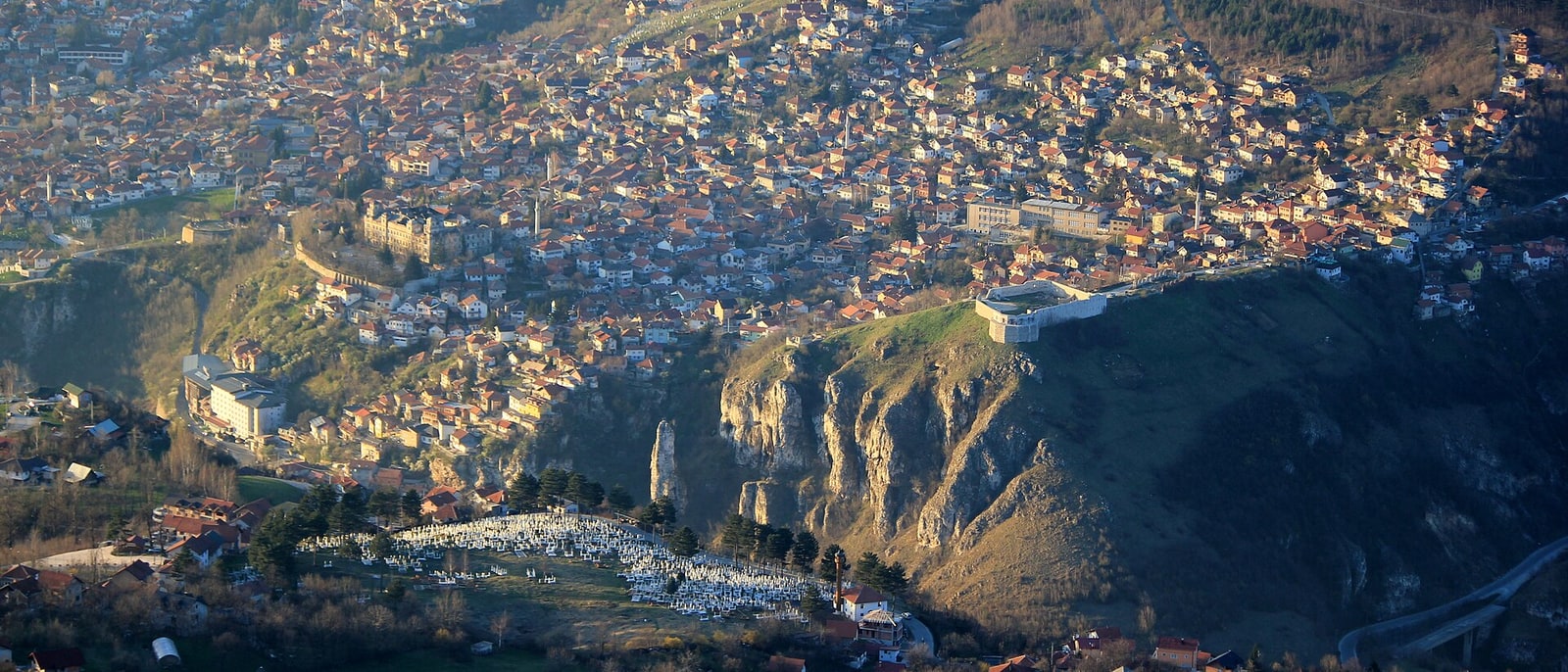
One thing is worth knowing before choosing dates, because it changes the trip and almost no guide mentions it: **in midwinter Sarajevo has some of the worst air in the world**, not in Europe, in the world. That isn’t an exaggeration or an isolated bad day.
The rest are easy details: the country is cheap and safe, people in tourism speak reasonable English, and everything else works without surprises.
The route, stop by stop
3 STOPS- 01
The December and January smog
Sarajevo sits in a narrow, enclosed valley. In winter temperature inversions occur: cold air is trapped below without circulating, and everything emitted stays with it. Add that a great many homes are heated with wood and coal, and that there are coal power stations in the region.
The result is measurable and repeated: in December and January the city appears among the ten most polluted in the world, with readings reaching levels classified as hazardous. Flights have been cancelled and children advised to stay indoors.
If you have asthma or respiratory trouble, those two months are a bad idea. And if you go anyway, check the air quality index the way you’d check the weather.
- 02
Money: the convertible mark
The convertible mark (KM or BAM) rides pegged to the euro at a fixed rate, so it doesn’t fluctuate. Many businesses in the centre take euros directly, though they’ll usually give change in marks at a worse rate than the bank’s. The country is notably cheap compared with Western Europe. Cards are accepted in most central restaurants and shops, but carry cash for the bus, the markets and the villages: outside Sarajevo and Mostar, cash still rules.
- 03
Talking about the war, and connectivity
The siege lasted almost four years and ended in 1996, so anyone of a certain age you speak to lived through it as a child or an adult. Many people will talk about it readily if asked respectfully, and there are guides who do exactly that. What to avoid is treating it as a tourist curiosity or getting into who was right: the country remains politically divided and it isn’t a bar conversation with a foreigner.
Practically, mobile coverage is good in the city and on main roads, and an eSIM has you connected on arrival: useful here for the usual things and for one specific one. Checking the air quality index in winter and the timetable for the Mostar train, which runs few services.
In mountain valleys and on the tracks up to the high villages there are dead zones.
Frequently asked
When is the best time to visit Sarajevo?
May to October, with spring and autumn the best of it. December and January are worth avoiding because of air pollution, which in the valley frequently reaches hazardous levels. If you’re going to ski, February and March give good snow with somewhat less smog.
Do you need a visa for Bosnia and Herzegovina?
It depends on your passport and the rules change, so check the official source before booking. The country is in neither the European Union nor Schengen, so even arriving from a neighbouring country there is a border check.