OZU /COSTA RICA /SAN JOSÉ /GUIDE
San José in a day
7 h route4 stopsBest: Mornings, all year: May to November it rains in the afternoonUpdated July 2026
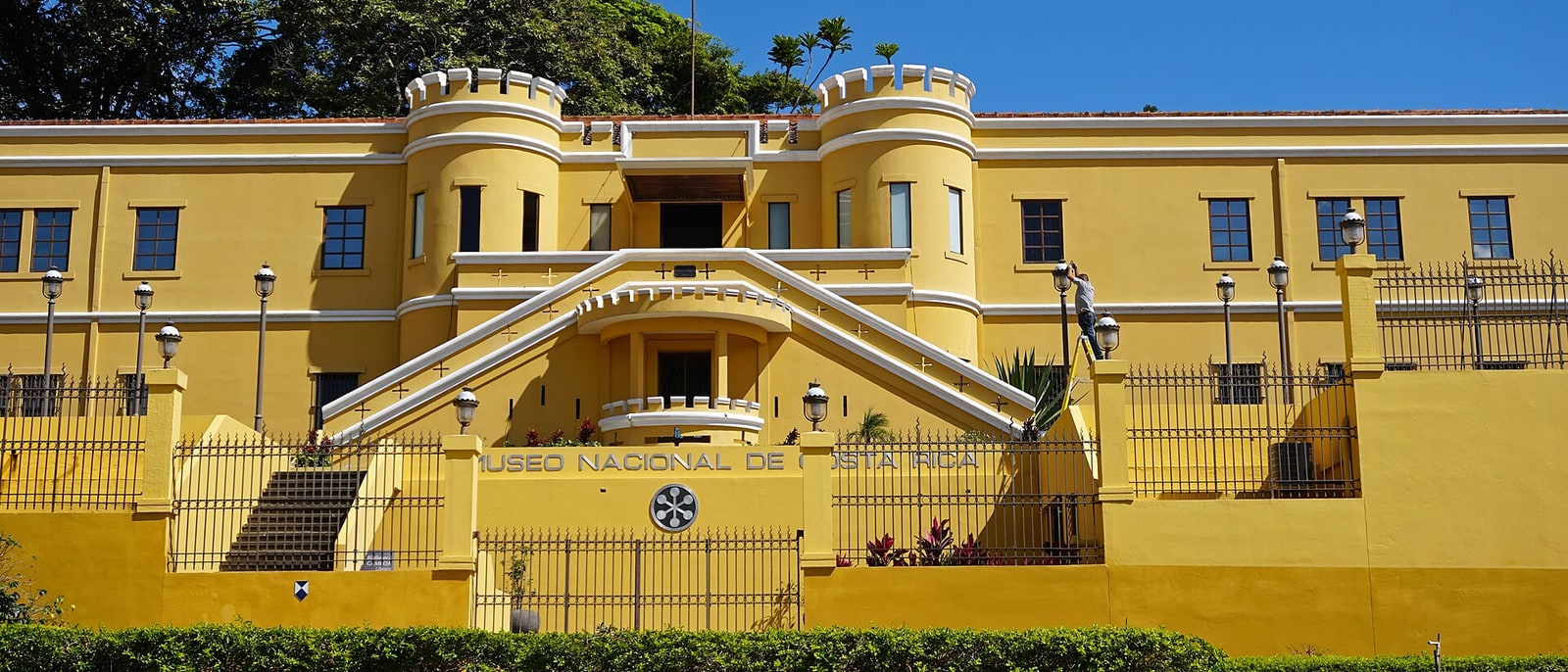
Costa Rica abolished its army in 1948. It didn’t shrink it or reform it: it eliminated it, and wrote that into the constitution the following year. José Figueres did it right after winning a civil war, and the gesture had a setting: it was at army headquarters, in San José, where he symbolically handed the building over to the Minister of Education. That barracks is today the National Museum, and its turrets still carry the bullet holes from the fighting.
That fact explains the whole country and why the city is what it is. With no military spending, the money went to education and health, and what’s here isn’t a capital of imperial monuments: it’s a middle-class city, functional and without grand gestures. San José isn’t visited for its beauty and nobody should sell it to you that way. It’s visited for three or four specific and very good things, in a day, and then you leave for the volcanoes and the rainforest, which is what you came for.
The route, stop by stop
4 STOPS- 01
The barracks that is a museum
A yellow fortress with crenellated turrets on top of a rise in the centre: that was the Bellavista Barracks, headquarters of Costa Rica’s army. In 1948, with the civil war over, José Figueres came here and handed the building to the Minister of Education at a public ceremony, declaring the army dissolved. The abolition went into the 1949 constitution and it’s still there.
Today it’s the National Museum, and what to do before going in is walk around the outside and look at the turrets: the bullet holes from that year’s fighting are still there, uncovered, deliberately. It’s one of the few places in the world where a country keeps the scars of its last war on the façade of the building where it decided never to have another.
Inside there’s pre-Columbian archaeology, history and a butterfly house. But the real visit is the façade, and knowing what happened there, it takes two minutes and you don’t forget it.
- 02
The National Theatre
The country’s most beautiful building, finished in 1897: Italian marble, red velvet, double staircases and a miniature opera house. And coffee paid for it: it was financed by an export tax on the bean, decided by coffee growers who wanted a capital with a real theatre. The story you’ll be told is that it all began when a famous soprano skipped Costa Rica on tour for lack of a decent venue. It’s a pretty legend and it isn’t documented. The tax is.
And upstairs is the jewel, which is an unintentional joke. On the foyer ceiling there’s an allegory of the coffee and banana harvest, so iconic it was printed on the banknotes. It was painted by an Italian artist who had never been to Costa Rica, working from Italy with second-hand descriptions, and that’s why the details are wrong: people carry the coffee in a way nobody here has ever carried it, and the banana bunch is held upside down.
The national painting par excellence was made by someone who had never set foot in the country.
- 03
The gold and the jade
Two museums five minutes apart justify a day in San José on their own. The pre-Columbian gold one is literally buried: you go three floors down beneath the Plaza de la Cultura, and down there are thousands of gold pieces worked by the peoples of this region before the Spanish arrived. Frogs, eagles, shamans, bells.
The jade one has the largest collection of pre-Columbian jade in the Americas, and that stone poses a puzzle they don’t hide here: Costa Rica has no known jade deposits that would explain such a quantity. Which means it came from outside, probably from Guatemala, along trade routes we know little about. A country with no jade full of jade. Both museums are well made, they fit into a morning and they explain better than anywhere else that there were organised people here long before 1502.
- 04
The Central Market
A covered market from 1880, a maze of narrow aisles with stalls of fruit, meat, flowers, medicinal herbs, leather and everything else. It’s one of the few things in the centre that has been here for a century and a half and still works exactly as intended.
What to do isn’t to shop: it’s to eat. Inside there are sodas, which is what neighbourhood eating houses are called here, with their counter, their stools and a three-dish menu written on a board. There you eat the casado, the Tico plate of the day: rice, beans, salad, ripe plantain and a protein, all on one plate, for next to nothing.
And you drink coffee poured through a chorreador, a cloth bag hanging from a wooden stand. It’s the best food in San José and it’s at a formica counter between a butcher and a florist.
Frequently asked
What to see in San José in a day?
The National Museum, which was army headquarters and keeps the 1948 bullet holes in its turrets, the National Theatre, paid for by a coffee tax, with its famous ceiling painted by someone who was never in the country, the pre-Columbian gold museum (underground, beneath a square) and the jade one, and eating a casado at a soda in the Central Market.
Is San José worth it?
One day, yes. More, no, and nobody should sell you otherwise. It isn’t a capital of monuments: Costa Rica abolished its army in 1948 and the money went to education and health, so what’s here is a middle-class city, functional and without grand gestures. It has three or four very good things, they fit into a long morning, and then you head off to the volcanoes and the rainforest, which is what you come for.