OZU /COSTA RICA /SAN JOSÉ /GUIDE
A weekend in San José
18 h route4 stopsBest: December to April is the dry season. The rest of the year, afternoon rainUpdated July 2026
Addresses here have no street or number. They’re given like this: two hundred metres north and fifty east of the old fig tree. The fig tree fell decades ago. The reference stands. In San José there’s a whole area everyone calls “the old Coca-Cola” because there was a bottling plant there that closed in the eighties, and nobody under fifty has ever seen it. And a hundred metres isn’t a hundred metres: it means one block, whatever it measures.
That system, which sounds like a joke, is the official system: it’s used by the post, on invoices and by ambulances. And it’s the best way into a weekend here, because it tells you what kind of place this is: informal, oral, running on tacit agreement between neighbours, and working perfectly well without needing to resemble anything. The city is dealt with in one long day. The rest of the weekend is going out, because the whole country fits into trips from here.
The route, stop by stop
4 STOPS- 01
Saturday morning: the centre, all of it
San José packs everything good into ten blocks: the National Theatre, the gold museum under the square next door, the jade museum five minutes away, the National Museum on the rise and the Central Market. It’s done on foot, in a morning, taking nothing.
Start at the National Museum for the context (the barracks of the abolished army, bullet holes in the turrets) and come down from there. Finish at the Central Market eating a casado at a soda, which is the best thing you’ll eat here and the cheapest.
A calendar tip that holds for the whole country: do this in the morning.
From May to November it rains here nearly every day from mid-afternoon, with a punctuality that surprises people. It isn’t a surprise: it’s the timetable.
- 02
Saturday afternoon: Barrio Escalante
Fifteen minutes’ walk from the centre there’s a residential quarter of low houses from the forties and fifties that in the last decade has filled with restaurants, specialty coffee shops and breweries. It’s called Barrio Escalante and it’s where young San José eats and goes out.
It’s the opposite of what you expect from this city: contemporary cooking, good produce, local people who went abroad to train and came back, and a specialty coffee scene that makes a lot of sense in a country producing some of the best beans in the world and which for decades sent all of them to Europe.
This is where you’ll lose the idea that Costa Rica only eats rice and beans. It’s a stroll from the centre and it’s the answer to what to do in San José in the afternoon.
- 03
Sunday: a volcano
An hour and a half from San José there are two volcanoes you can drive up to the crater rim of, which isn’t common anywhere in the world.
Poás has a turquoise acid lake steaming at the bottom of its crater, one of the largest of its kind on the planet. Irazú is the highest and from the top, on an exceptionally clear day, you can see both oceans at once.
And here’s the tip that decides the trip: leave at night or at dawn. These volcanoes are over two thousand metres up and by mid-morning cloud climbs the slope and covers the crater completely. People drive two hours to look at a white wall. At seven in the morning it’s usually clear.
The other thing to check before going: Poás is a genuinely active volcano and it has closed to the public at various times because of its activity, with timed entry when it’s open. Check the park’s site the day before.
- 04
Sunday: the coffee, where it’s made
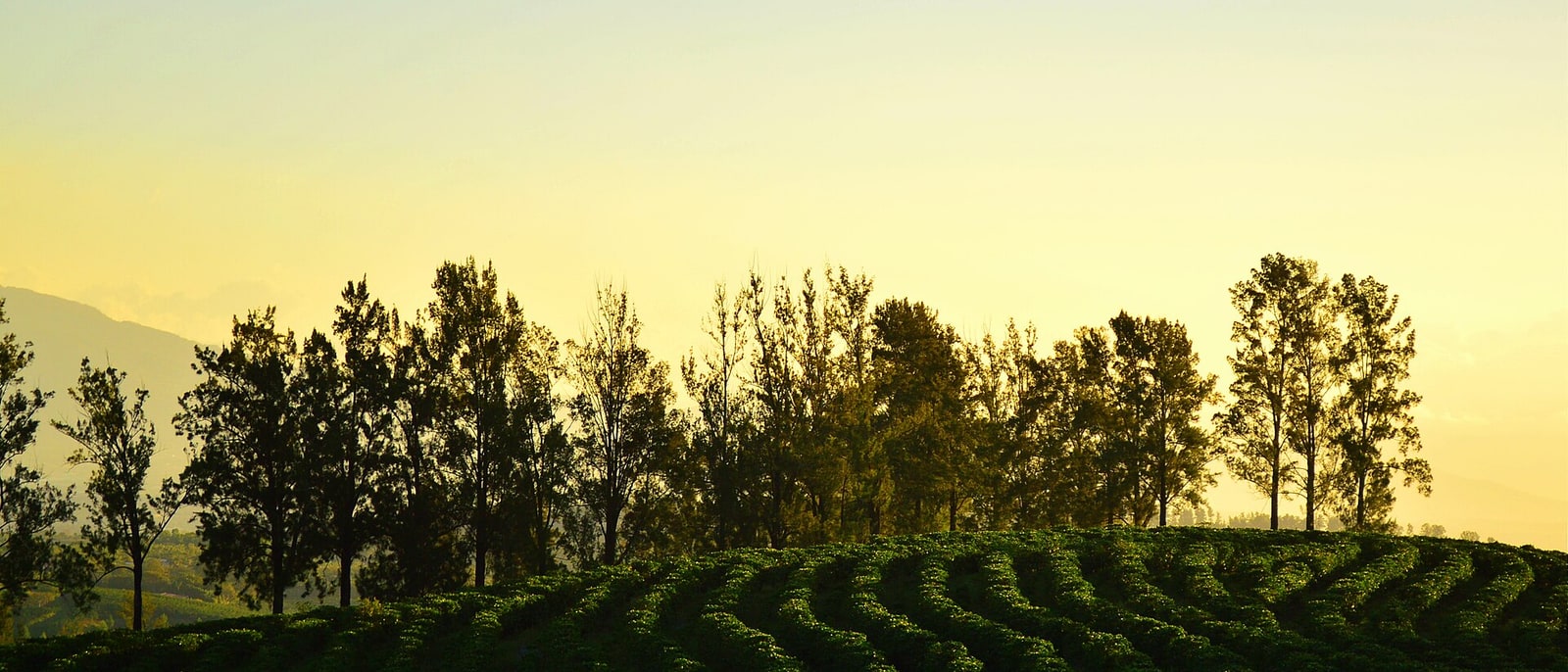
The city occupies a valley at twelve hundred metres surrounded by volcanic slopes, and those slopes are coffee farms. There are estates half an hour from the centre that can be visited and where you see the whole process, plant to cup, in a morning.
It’s worth it for a reason that isn’t touristic: this country has a relationship with coffee that built its capital, its theatre and its first railway, all paid for with taxes on the bean.
And it has a law nobody else has, which I cover in the eating guide: for nearly thirty years it was illegal to grow robusta coffee here, arabica only. A country that bans a plant to protect its reputation.
They’ll tell you that at the farm and it’s the best way to understand what coffee means here.
And take beans home: for decades the good stuff was exported whole and what stayed in the country was the bad. That changed recently and now you can buy here the same thing they send abroad.
Frequently asked
How do addresses work in Costa Rica?
With no street or number: they’re given in metres and compass points from a landmark, and the landmark may not have existed for decades. “Two hundred metres north of the old fig tree”, and the fig tree fell years ago. There’s an area everyone calls “the old Coca-Cola” after a bottling plant that closed in the eighties. And a hundred metres means one block, whatever it measures. It’s the official system: the post and the ambulances use it.
What to do on a weekend in San José?
The whole centre fits into a morning on foot: National Museum, National Theatre, the gold and jade museums, and eating at the Central Market. The afternoon in Barrio Escalante, where the contemporary food and specialty coffee are. And on Sunday, get out: a volcano an hour and a half away (leaving at dawn, because by mid-morning cloud covers the crater) or a coffee farm on the valley slopes.