OZU /MEXICO /MEXICO CITY /GUIDE
Mexico City: practical tips
1 h route5 stopsBest: March to May and October to NovemberUpdated July 2026
The altitude is the first thing to account for and almost nobody does: 2,240 metres won’t give you mountain sickness, but it does tire you more than usual on day one, dehydrates you, and makes alcohol hit sooner. Taking it gently for the first few hours is dull advice and very effective.
The second thing is seismic. This city has an alert system that sounds through street loudspeakers when an earthquake is detected far away, giving a few seconds of warning. Hearing it without knowing what it is, is terrifying.
The route, stop by stop
5 STOPS- 01
The seismic alert
Mexico has one of the oldest earthquake warning systems in the world: there are sensors on the Pacific coast, where most large quakes originate, and because radio waves travel faster than seismic ones, the city gets the warning some seconds before the shaking arrives. It sounds through street loudspeakers and on phones.
If it sounds, the instruction is to move to an open space or a safe part of the building, calmly. And a date worth noting: every 19 September there’s a national drill at the same hour, chosen because the 1985 and 2017 earthquakes both happened that day. If you’re here then, the alarm will sound and nothing is wrong.
- 02
Altitude, sun and water
At this altitude there’s less oxygen and the air is dry, so on day one drink more water than usual, eat light and don’t chain plans together. Solar radiation is stronger than at sea level even when the temperature is pleasant: at Teotihuacán, shadeless and higher still, sunstroke is a real risk. The tap water isn’t drunk: hotels and restaurants serve bottled or purified water, and homes have a water bottle dispenser. Ice in established places is made with purified water and causes no trouble.
- 03
Traffic, and how to get around
Traffic bites and distances are measured in minutes, not kilometres: crossing the city at rush hour can take over an hour for fifteen kilometres. So group your plans by area and don’t go back to the hotel mid-afternoon.
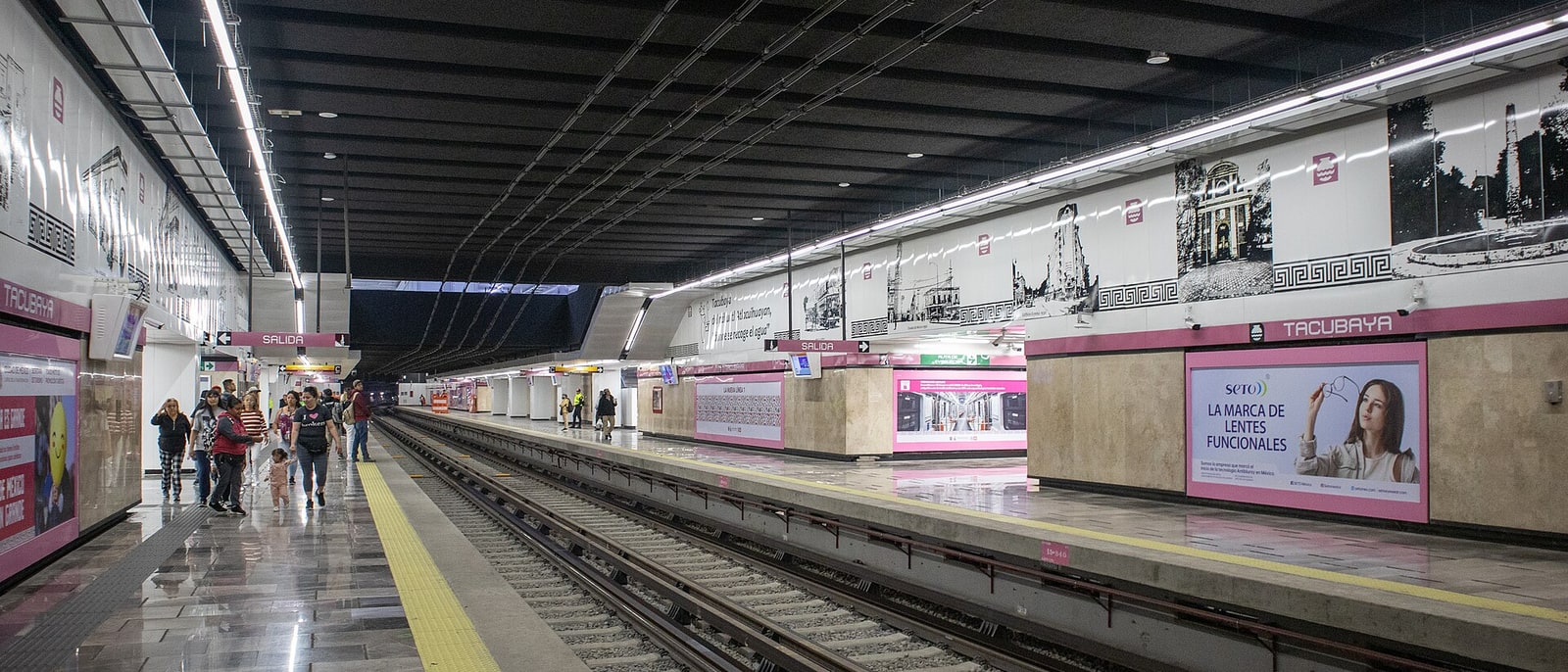
Public transport is cheap and works: metro, Metrobús, trolleybus and light rail all take the same integrated mobility card, bought and topped up at stations. Metro Line 1 fully reopened in November 2025. Works are announced on Line 3 for December 2026, so if you travel after that date it’s worth checking.
Ride-hailing apps work well and are the comfortable option at night. On the metro and Metrobús there are carriages and areas reserved for women and children at the busiest times.
- 04
Day of the Dead and the dates
Day of the Dead falls on 1 and 2 November and is UNESCO intangible heritage: altars with marigolds, offerings of the food the deceased liked, visits to the cemetery. It isn’t a Mexican version of Halloween. It’s a different and, at root, older tradition.
One detail captures how reality and fiction feed each other: the big Day of the Dead parade along the Paseo de la Reforma didn’t exist.
It was invented for the James Bond film “Spectre”, shot here in 2015, and given the expectation it created, the city organised a real one from 2016. Today it’s enormous and perfectly real.
- 05
Mobile data
Coverage does its job in the city and holds its own on the metro. Landing connected has specific uses here: the ride-hailing apps, which are the usual and comfortable way to move at night, the new AIFA train times, still settling, and seismic alerts on your phone. With an eSIM you leave the terminal already on data and can order the car or check the Metrobús without depending on airport wifi, which is exactly when you need it.
Frequently asked
Does the altitude affect you in Mexico City?
It sits at 2,240 metres, so it won’t give you mountain sickness but it does tire you more on day one, dehydrates you and makes alcohol hit sooner. Drink more water, eat light and don’t chain plans in the first few hours. The sun is also stronger than at sea level.
What do I do if the seismic alert sounds?
Move calmly to an open space or a safe part of the building. The warning gives a few seconds before the shaking. Every 19 September there’s a national drill at the same hour, chosen for the 1985 and 2017 earthquakes: on that day the alarm sounds and nothing is happening.
Do you need a visa for Mexico?
It depends on your passport and the rules change, so check the official source before travelling. Bear in mind too which airport you arrive at, AICM or AIFA, because getting into the centre is very different from each.