São Paulo’s neighbourhoods
5 h route4 stopsBest: The centre by day, Vila Madalena by night, Paulista on a SundayUpdated July 2026
In 2004, a photographer called Tuca Vieira made an image here that went round the world: a luxury building with private pools on every balcony and, up against the wall, with nothing in between, the Paraisópolis favela. The tin roofs begin where the fence ends. That photo became the international image of Brazilian inequality, to the point that its author has since said he’s uncomfortable with how it’s been used, because it turned a structural problem into a postcard.
That place exists and it’s still the same. And it’s the best way to understand this city’s neighbourhoods, because there’s no poor periphery and rich centre here: there are neighbourhoods of twenty million people where the one and the other are wall to wall. São Paulo is too big to cover: you have to choose four or five places and accept that between them there are legendary traffic jams.
The route, stop by stop
4 STOPS- 01
Paulista and Jardins
Banks, headquarters, museums, hospitals and a metro that works well: Avenida Paulista is the spine of the rich city. Beside it are the Jardins, a quarter of tree-lined streets, low houses with gardens and the country’s most expensive shops, where part of this city’s money lives.
For a first visit it’s the most comfortable and safest area to stay, with the advantage that almost everything you want to see is on the metro from here. The avenue walks end to end in an hour.
On Sunday it closes to traffic and changes owner: tens of thousands of people from every quarter of the city come up to walk it. That contrast (six days of financial avenue, one day of public square) is the best of São Paulo. And on the avenue itself is the MASP, with the plaza underneath, which Lina Bo Bardi left empty on purpose so people would use it. And they do.
- 02
Vila Madalena and Pinheiros
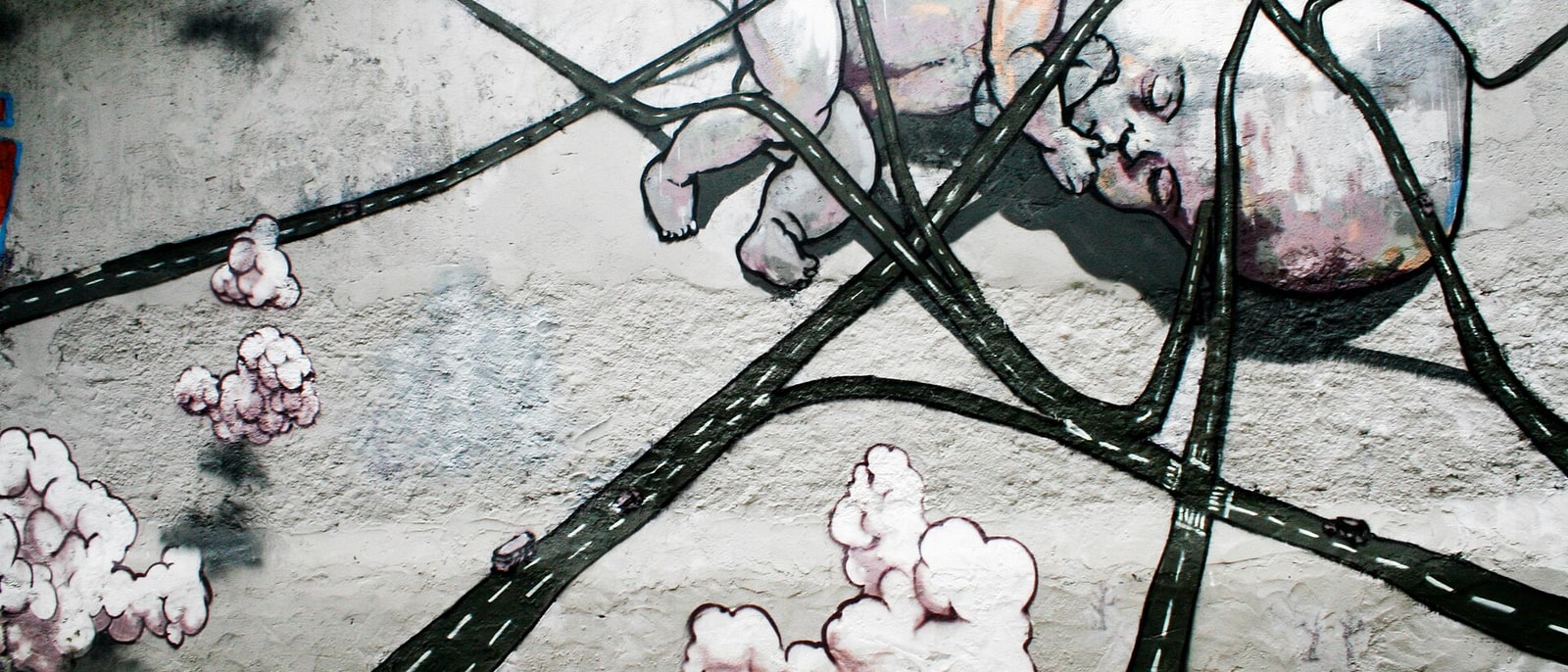
To the west, two adjoining quarters where São Paulo eats and goes out: sloping streets, low fifties houses turned into bars and restaurants, galleries, record shops, breweries and a density of young people you don’t see in the rest of the city. Vila Madalena has the Beco do Batman, the mural alley.
Pinheiros, next door, holds much of the contemporary cooking that put this city on the world food map: Brazilian chefs trained abroad who came back and started working with Amazonian and northeastern produce almost nobody used.
And the night is genuinely long: people go out from ten, the bars don’t close until three or four, and it’s one of the few areas in this city where you can go bar to bar on foot.
- 03
The centre
The historic centre holds the most interesting and the most uncomfortable part of this city. Here is everything old that remains (the Pátio do Colégio from 1554, the Martinelli, the Copan, the cathedral, the Sala São Paulo, the Mercadão, the Pinacoteca) and there’s a density of twentieth-century architecture no other American capital has.
The other part needs saying clearly, without drama and without sweetening: the centre emptied of residents in the eighties and nineties, it degraded, and today there are areas with serious drug and exclusion problems that are perfectly delimited and that locals know. By day, with people on the street, the centre walks and you should do it. At night it changes a lot, and there are specific streets no local walks.
The solution isn’t avoiding the centre, which would mean missing the best. Ask at your hotel which areas and at what hours, and take their advice: they’ll tell you precisely, because they’re used to the question.
- 04
The city of twenty million
Everything above takes up a minuscule fraction of São Paulo. The real city is over twenty million people in the metropolitan area, spread across tens of kilometres of concrete in every direction, and the vast majority live in neighbourhoods no visitor reaches and that are an hour and a half from the centre by bus. That’s the city.
The fact that sums it up: São Paulo has one of the largest civilian helicopter fleets in the world, with helipads on the roofs of the office towers, because there are people who simply don’t set foot on the street. They leave home for the roof, fly to work and come back. Below, meanwhile, millions of people do two, three and four hours of commuting a day.
The pool and the favela in that photograph aren’t an exception: they’re how this city works every day.
Frequently asked
Where to stay in São Paulo?
Around Paulista and the Jardins if it’s your first time: it’s comfortable, safe, it has the metro and almost everything you want to see is one ride away. Vila Madalena and Pinheiros if you’re coming for the food and the nightlife, which is a good reason. The centre has the most interesting things to see but it isn’t the best area to sleep. Take the traffic seriously: here distances are measured in hours, not kilometres.
Is São Paulo’s centre dangerous?
By day, with people on the street, it walks perfectly well and you should do it: the best of the city is there. At night it changes a lot and there are specific streets no local walks, because the centre emptied of residents in the eighties and there are areas with serious drug and exclusion problems, well delimited. The solution isn’t avoiding it: it’s asking at your hotel which areas and at what hours, and taking their advice. They’ll tell you precisely.