São Paulo: practical tips
1 h route4 stopsBest: April-May or September-October. In summer it rains every afternoonUpdated July 2026
You don’t take your phone out in the street. It’s this city’s first rule and it isn’t frightened-guidebook exaggeration: it’s exactly what people who live here do. Paulistas don’t walk the pavement looking at a map, they don’t leave their phone on a terrace table and they don’t take it out standing at a traffic light. If you need to look at it, you go into a shop, a café or a doorway. Snatch theft of phones is São Paulo’s common crime and it works by surprise and in seconds.
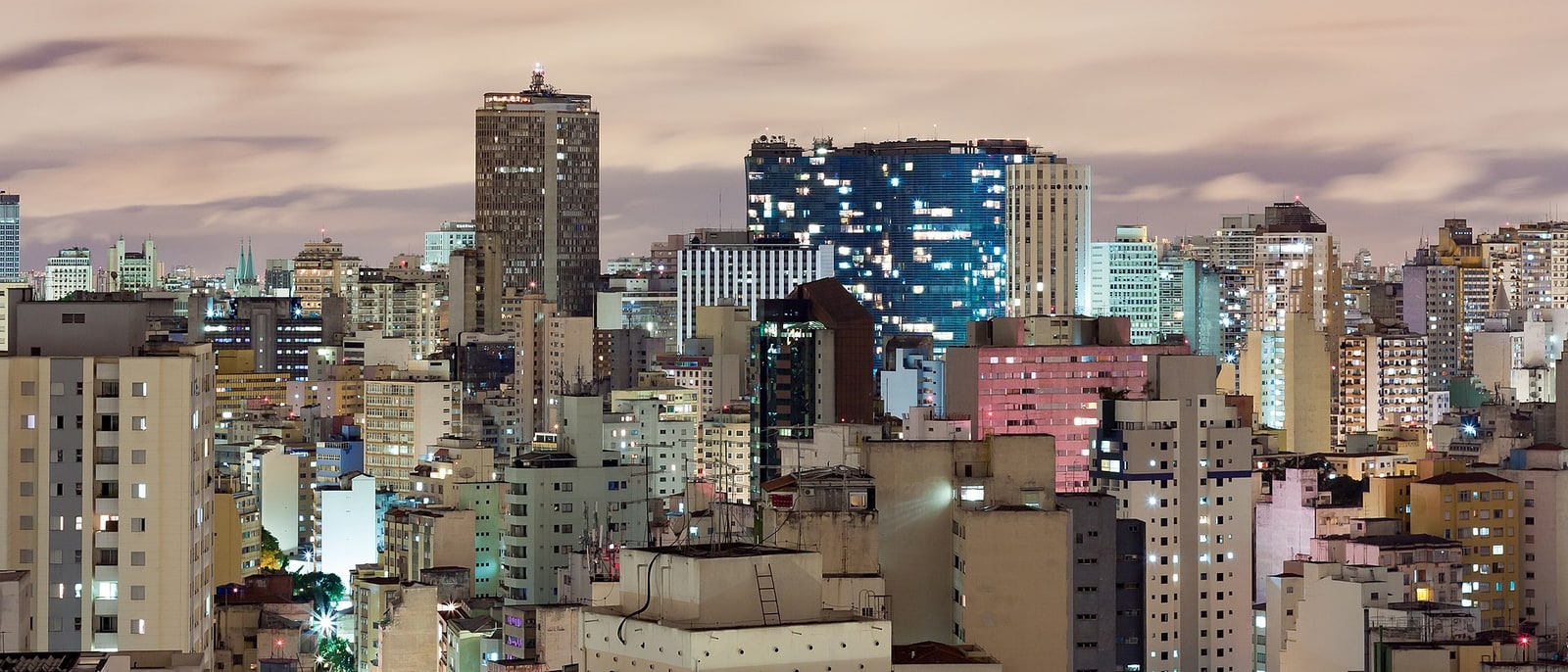
That said, and this needs saying too: São Paulo isn’t a dangerous city for a visitor behaving normally. It’s a big city with a very specific and very predictable crime, and a handful of rules removes almost all the risk. Nobody will do anything to you if you have nothing visible. From there, this city is one of the most generous in the Americas towards someone who comes to look.
The route, stop by stop
4 STOPS- 01
The rules of the phone and the street
Everyone here follows the same rules, and they’re specific. Don’t carry your phone in your hand in the street: front pocket and out of sight. If you need to check something, go into a place. Don’t leave it on a terrace table, not even face down. Don’t wear a flashy watch, or a chain, or your backpack on your back in a full metro. Carry only what you need for the day and leave your passport at the hotel with a copy on your phone.
And the rule that matters above all: if someone asks for it, you give it. Without arguing, without hesitating and without odd movements. A phone is a replaceable object and it doesn’t deserve a second of risk. Everyone here is clear about that, paulistas included, who treat theft as a household accident and sometimes carry an old phone for the street.
It isn’t dramatic: it’s the social norm. And it works: following this, the vast majority of visitors have no problem at all in this city.
- 02
The weather, which does as it likes
First, an expectation to correct: São Paulo isn’t the tropical Brazil of the postcards. It’s some eight hundred metres up, inland, and that changes everything: it gets genuinely cold here in winter, with nights of ten degrees or less, and it rains a lot. Nobody comes here to sunbathe.
The weather changes by itself and several times a day: you can go out in sun, have lunch under a downpour and dine in the cold, the same day, in any month. Paulistas always carry something warm even at thirty degrees.
December to March is summer: heat, humidity and heavy storms almost every afternoon, with occasional flooding that collapses the traffic. June to August is winter: dry, grey, cool by day and cold at night. The best times are April-May and September-October. And bring a raincoat or umbrella in any month: there’s no season without rain here.
- 03
The traffic and the metro
São Paulo’s metro runs clean, modern, fast and safe, and beats every other way of getting around the city. The problem is that it’s short for a city of twenty million: it covers the centre, Paulista and a few axes well, and leaves enormous areas out. Where it reaches, use it always and without hesitating. There are women-only carriages at peak times on some lines, signposted.
Where it doesn’t reach, the problem begins: São Paulo traffic is among the worst on the planet and jams here are measured in hours. There’s a plate-based restriction system by day of the week, the rodízio, which also affects hire cars, so if you rent one, find out or you’ll be fined.
A practical tip worth ten: never calculate in kilometres in this city, calculate in hours and in direction. Crossing São Paulo from one side to the other at rush hour can be two hours for twenty kilometres. And to go to the airport, double whatever the app tells you.
- 04
Money, tips and the language
On money: cards are accepted absolutely everywhere, even at a street stall, and phone payment is very widespread. Carry some cash but little. The tip is ten per cent and in most restaurants it’s already added to the bill as service: check before adding anything.
And on language, which is where Spanish-speaking visitors go most wrong: Spanish isn’t spoken here, and English is considerably less common than you expect outside hotels and upmarket restaurants. Brazilian Portuguese isn’t Spanish with an accent or a dialect: it’s another language, and a Spanish speaker understands a fair amount written and much less spoken.
What works: speaking slowly, in clear Spanish without idioms, listening patiently and using the phone translator. Inside a place, not in the street. Brazilians are extraordinarily kind to anyone who tries and make an enormous effort to understand you. Learn four words and you’ll see the difference.
Frequently asked
Is São Paulo dangerous?
Not for a visitor behaving normally, but it has a very specific and very predictable crime: snatch theft of phones. The rules everyone who lives here follows: don’t carry your phone in your hand in the street, don’t leave it on a terrace table, no flashy watch or chain, and carry only what you need for the day. And the rule that matters: if they ask for it, you hand it over without arguing. A phone isn’t worth a second of risk.
When is the best time to visit São Paulo?
April-May or September-October. And correct the expectation: this isn’t the tropical Brazil of the postcards. São Paulo is eight hundred metres up and inland, so in winter it gets genuinely cold, with nights of ten degrees or less. December to March is summer, with heavy storms almost every afternoon. The weather changes several times a day in any month: bring layers and a raincoat always.