Where to eat in São Paulo
3 h route4 stopsBest: Feijoada on Wednesday or Saturday. Pizza on Sunday nightUpdated July 2026
The largest Japanese community outside Japan lives in São Paulo, and it has a starting date: June 1908, when a ship called the Kasato Maru docked at the port of Santos with the first families, contracted to work the coffee plantations. They arrived thinking they’d go home rich within a few years and almost nobody went back. Today there are over a million and a half descendants in this state, and the Liberdade quarter is their centre.
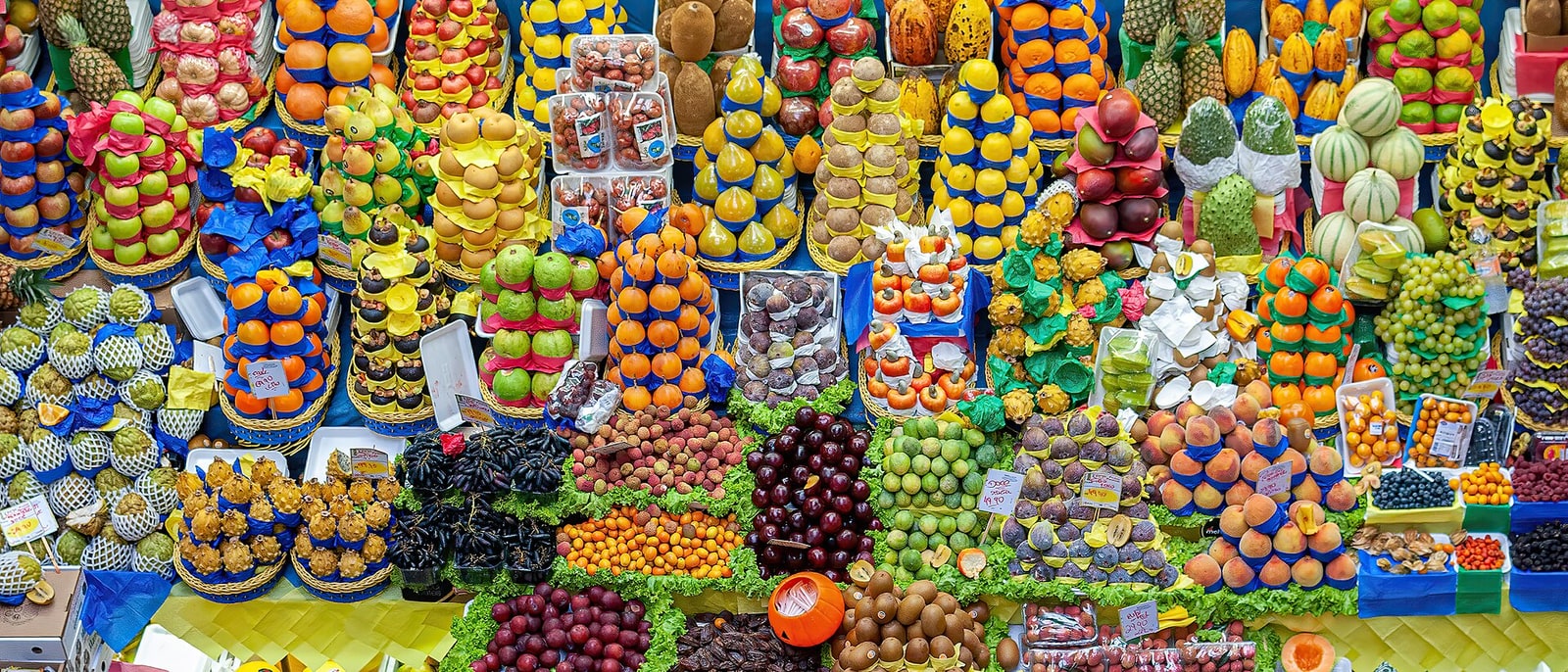
That story is half this city’s food. The other half was brought by the Italians, who arrived in millions in the late nineteenth century for the same reason, coffee, and who made São Paulo a pizza city. Add Lebanese, Portuguese, Brazilians from the northeast and a first-rank contemporary scene. São Paulo is Latin America’s food capital and that isn’t a debatable opinion: it’s what you get when five waves of immigrants settle in the same city and start cooking.
The route, stop by stop
4 STOPS- 01
Liberdade
Streets with red lanterns, supermarkets with products you’ve never seen and Japanese restaurants at every level, from the counter ramen place to serious sushi. On Sundays there’s a street fair, with Japanese food stalls run by nikkei women and queues of people.
And you should try something that exists only here: Brazilian nikkei cooking, which is what happens when Japanese people spend a hundred years cooking with tropical produce. Out of it come temaki as street fast food, there are entire chains, sushi with mango, salmon and cream cheese, things a Japanese person from Japan finds absurd and which here have been the norm for decades. It isn’t badly made sushi: it’s another cuisine, with its own logic and a hundred years of history.
And the quarter isn’t only Japanese any more: there are Chinese, Koreans and Taiwanese, and the three cuisines live on the same street. Go on a Sunday.
- 02
Sunday pizza
São Paulo takes pizza seriously, and not as a passing reference: Italian immigration was so massive that there are whole quarters (Bixiga, Bela Vista, Mooca) built by them, and pizza became a local institution to the point that Sunday night is pizza night for the entire city. It’s a family rite and the pizzerias fill.
Paulista pizza isn’t Neapolitan and isn’t Roman: it has its own school, with a base thicker than Neapolitan and softer than Roman, a huge amount of cheese, considerably more than an Italian would tolerate, and a list of toppings that in Italy would be a crime, including sweet versions with chocolate ordered as dessert at the same table.
Arguing about that with a paulista gets you nowhere: it’s their pizza, they’ve been making it that way for a century and they don’t care what Naples says. Order it at an old neighbourhood pizzeria, on a Sunday night, and you’ll see the city at its most domestic.
- 03
Feijoada, and its days
The Brazilian national dish: black beans cooked for hours with various parts of the pig, including the ones you don’t expect, served with rice, shredded fried kale, farofa, orange and a chilli sauce. It’s eaten with caipirinha before and during.
Two practical things. The first: it has days. In São Paulo feijoada is traditionally served on Wednesdays and Saturdays, and many good places don’t make it the rest of the week. If you want it, check the day.
The second: it’s a meal that cancels the afternoon. That isn’t an exaggeration: here it’s eaten at midday and afterwards nothing is planned, because you won’t be able to. Brazilians know this and accept it. The orange that comes alongside isn’t decoration: it’s there to cut the fat, and you should eat it. And don’t order it at night: nobody has feijoada for dinner, it’s midday food and a day-off meal.
- 04
The pastel at the street market
In any São Paulo neighbourhood there’s a weekly feira livre: the street market set up on a fixed day in a closed-off street. And in every feira there’s a pastel stall, which is where you should eat.
The pastel is a large rectangular pasty, of very thin dough, fried to order in very hot oil, coming out puffed and crisp and scalding. It’s filled with cheese, minced meat, palm heart or prawns.
And it’s compulsorily accompanied by caldo de cana: sugarcane juice pressed in front of you with a roller mill, served ice cold and sometimes with lime. The combination of the fried and salty with the sweet and cold is the paulista afternoon snack par excellence and it costs practically nothing.
Mind one thing: the pastel’s origin is probably Chinese, adapted by Japanese and Chinese immigrants who sold at the markets. The same again: in this city, almost everything local came from abroad.
Frequently asked
What do you eat in São Paulo?
The best food in Latin America, and it comes from immigration. Japanese and Brazilian nikkei in Liberdade: the largest Japanese community outside Japan lives here, since 1908, pizza, which is an institution and eaten on Sunday night, feijoada on Wednesdays and Saturdays, which cancels the afternoon, and pastel with sugarcane juice at any neighbourhood market. And the Mercadão’s mortadella sandwich, between two.
Why are there so many Japanese in São Paulo?
Coffee. In June 1908 a ship, the Kasato Maru, docked at the port of Santos with the first Japanese families contracted to work this state’s coffee plantations. They arrived thinking they’d go home rich within a few years and almost nobody went back. Today there are over a million and a half descendants in the state and it’s the largest Japanese community outside Japan. Its centre is the Liberdade quarter.