A weekend in São Paulo
20 h route4 stopsBest: Sunday is the good day. And April to May, or SeptemberUpdated July 2026
Avenida Paulista closes to traffic on Sundays, all day, since 2015. And what happens is hard to explain until you see it: tens of thousands of people occupying six lanes of an urban motorway, walking, on bikes, on skates, with dogs, with children, with stalls, with music on every corner and with the whole city suddenly out on the street. An office avenue turned into a public square one day a week.
That’s the argument for building a weekend here, because São Paulo is a difficult city: enormous, grey, with savage traffic and no postcards. You don’t come to see monuments, because there are almost none. You come for what people do: the best food in Latin America, a street art that exists nowhere else, an unmatched nightlife and that avenue on a Sunday. Save the Sunday for the best and not the other way round.
The route, stop by stop
4 STOPS- 01
Saturday: the old centre
São Paulo’s historic centre hits hard, crumbles in parts and fascinates. Here is the Pátio do Colégio, the exact spot where Jesuits founded this in 1554, a mission in the middle of nothing, and two hundred metres away the Martinelli, which in 1929 was Latin America’s first skyscraper and a madness for its time.
And there’s Niemeyer’s Copan building: a three-hundred-metre concrete wave, with over eleven hundred and fifty apartments and so many people inside that it has its own postcode. You can go up to the roof on a tour. Beside it, the Sala São Paulo, a concert hall built inside a 1930 railway station, with a movable ceiling of panels that rise and fall to adjust the acoustics to the orchestra. It’s among the best halls in the world and it’s inside a station.
An honest warning: the centre by day is full of people and walkable. At night it changes and there are areas better not walked. Ask at your hotel and take their advice.
- 02
Saturday afternoon: Vila Madalena
Vila Madalena puts nightlife and street art together: sloping streets, low houses, galleries, design shops, bars with tables on the pavement and a density of young people the rest of the city doesn’t have.
The compulsory place is the Beco do Batman, an alley covered in murals top to bottom that has been painted since the eighties and is constantly repainted: what you see won’t be there in six months. Os Gêmeos came from here, twin brothers from São Paulo who started painting streets and today exhibit in museums across half the world with their giant yellow figures.
And mind the distinction, which matters here: colour graffiti is tolerated and even commissioned by the council. Pixação, those black vertical letters, is illegal and comes from the periphery. They aren’t the same thing or the same people, and confusing them is the error everyone from abroad makes. At night, this fills and doesn’t stop until five.
- 03
Sunday morning: Paulista without cars
On Sunday, the avenue belongs to the people. Traffic is closed entirely from morning until night and tens of thousands come out: cyclists, skaters, runners, families with pushchairs, dogs, food stalls, musicians every fifty metres and an atmosphere of civic festival that resembles nothing else.
Use it for the museums on the avenue itself, the MASP opens and the plaza underneath usually has an antiques market, and to walk it end to end. It’s the only time you’ll see São Paulo relaxed.
And it’s worth understanding what it means: this is the car’s city, with legendary traffic and one of the largest civilian helicopter fleets in the world because the rich skip the jams from above. That the country’s most expensive avenue should close to cars and be taken over by people one day a week is a political statement, and it was won after years of municipal fighting. It isn’t a street market: it’s a position.
- 04
Sunday: Ibirapuera and Niemeyer
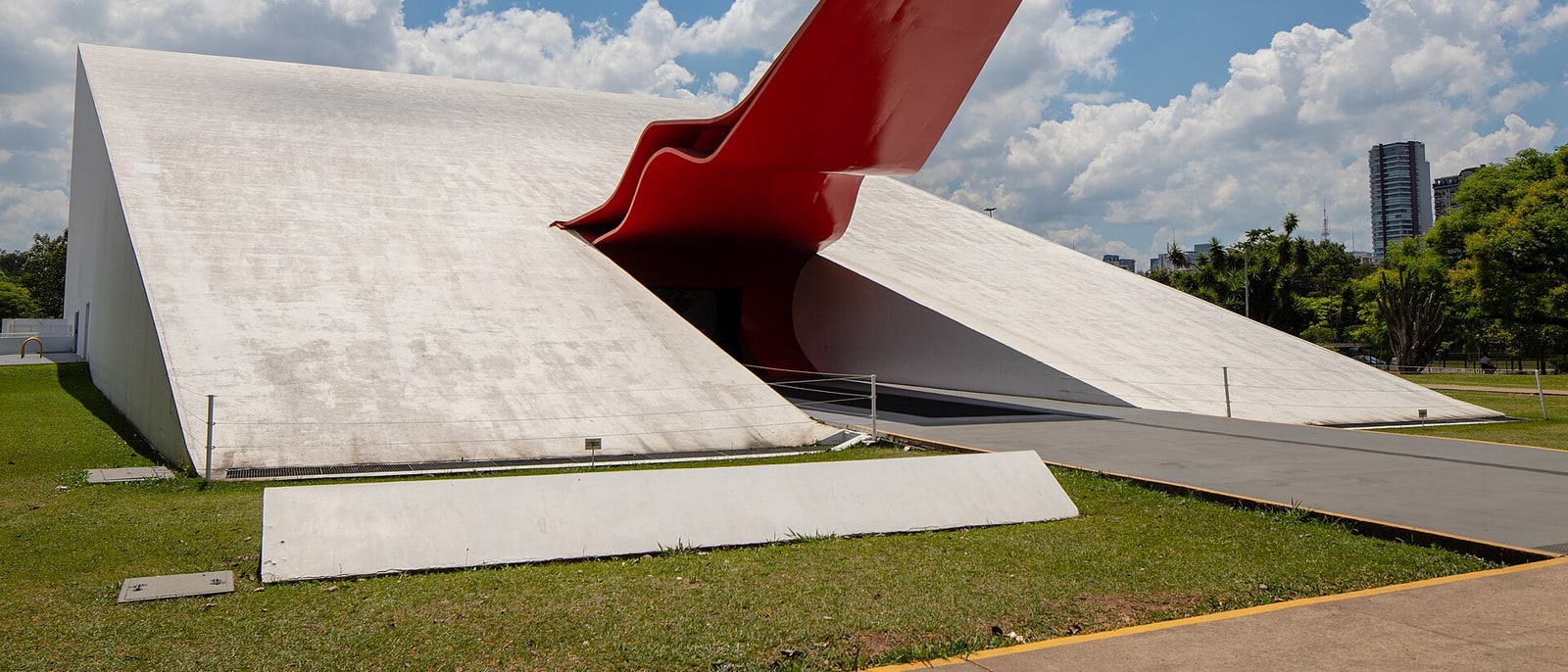
The city’s big park, with a lake, museums and a collection of Oscar Niemeyer buildings from the fifties. It’s where São Paulo breathes, and on a Sunday afternoon it’s full of people sprawled on the grass, running and picnicking.
What to look at is the canopy: a white undulating concrete slab hundreds of metres long snaking through the park joining the buildings, with no walls, only roof. Niemeyer made it so people could cross the park in shade and under rain without stopping walking, passing from one museum to another without entering any.
Today underneath it there are skaters, people dancing and families. It’s architecture designed so that something happens, and it does.
In the park are the museum of modern art, the contemporary art one with an enormous collection and the Biennial pavilion. With that and Paulista, Sunday is settled.
Frequently asked
What to do on a weekend in São Paulo?
Save Sunday for the best: Avenida Paulista closes to traffic all day and tens of thousands come out to walk six lanes. With that, the MASP and Ibirapuera park with the Niemeyer buildings. On Saturday, the old centre (the Copan, the Sala São Paulo inside a railway station) and the night in Vila Madalena, with the Beco do Batman.
Is São Paulo worth it?
It depends what you come for. If you want monuments and postcards, no: it’s enormous, grey and it doesn’t have them. If you come for what people do, it’s one of the most interesting cities in the Americas: the best food in Latin America, the largest Japanese community outside Japan, a street art of its own that exists nowhere else and an unmatched nightlife. And Sunday on a car-free Paulista.