Munich: practical tips
5 stopsUpdated July 2026
Three things throw everybody here and none of them is a problem: Oktoberfest starting in September, being allowed to get your own food out in a beer garden, and the white sausage having a deadline. All three have an explanation and all three are true.
Then there’s the part that does need planning. Munich is the most expensive city in Germany, Sunday shuts by law like the rest of the country, and in October the hotel situation turns impossible. None of that ruins a trip if you know it before booking. All of it does if you find out on arrival.
The route, stop by stop
5 STOPS- 01
Oktoberfest starts in September
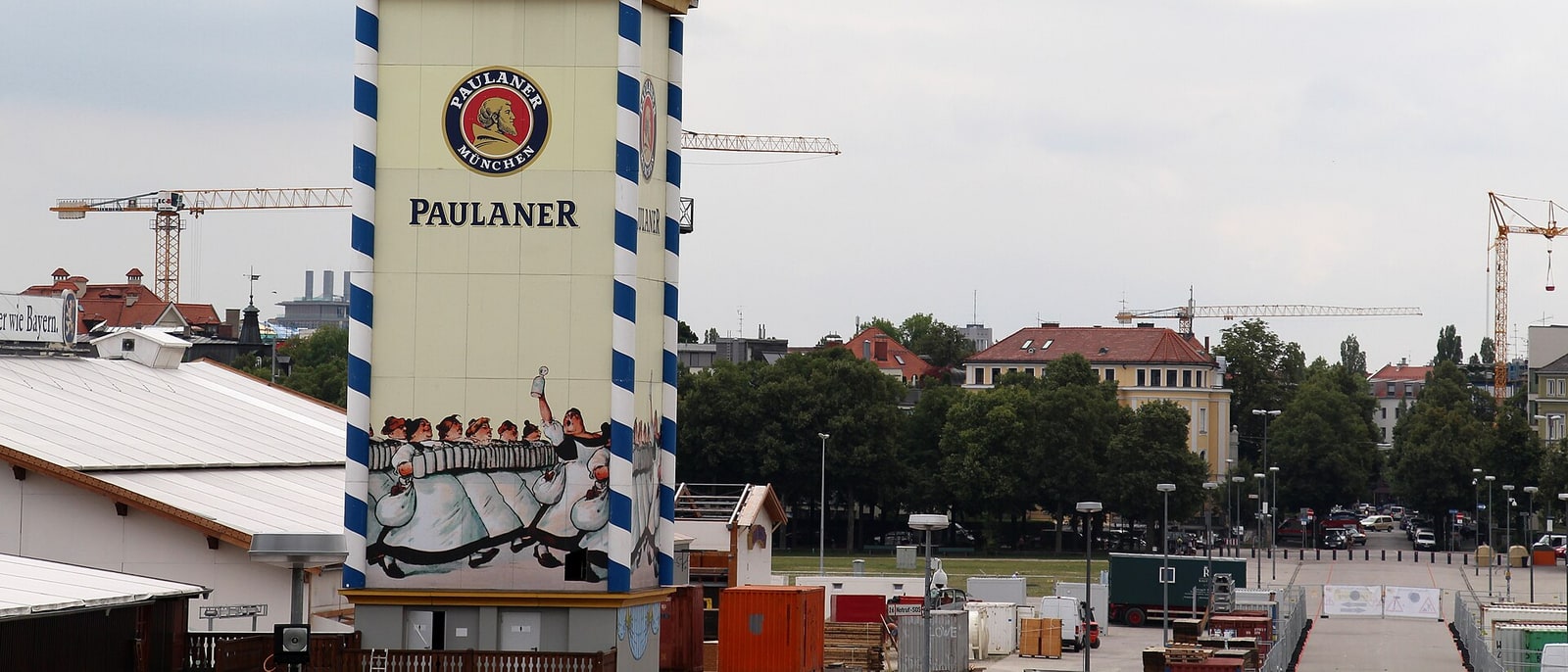
The name fools half the world: Oktoberfest starts in mid-September and ends on the first Sunday of October, so most of it is in September. The reason is historical: the first was in October 1810 for Ludwig I’s wedding to Therese, hence the ground being called the Theresienwiese, and it was later moved forward because September is better weather for being outdoors.
Two practical points. Getting in is free: you pay for the beer, which is served only by the Maß, a litre, and only from the city’s six breweries. And to sit in a tent in the evening you need a table reservation, made months ahead. Without one, go on a weekday at lunchtime and you walk in.
If you’re not coming for the festival, avoid those dates: the whole city goes through the roof.
- 02
The beer garden rule
In a traditional Biergarten you can bring food from home and pay only for the drink, and it isn’t that they let you: it’s a right written into Bavarian regulation. It’s written down because in 1995 the regional government touched the opening hours, twenty-five thousand people came out on the street and the government reeled it back in. This is taken seriously here.
The distinction is visual: bare board and a bench means self-service and your own food is welcome. Cloth and cutlery means waiter and menu. It’s the only mistake available and looking before you sit avoids it.
And while you’re at it: in a beer hall you sit wherever there’s room, next to whoever, except at a table marked Stammtisch, which belongs to the regulars and isn’t touched.
- 03
Cash, and Sunday
Bavaria pays more in cash than any other part of Germany, and Germany is already the rich European country that pays most in cash. Beer gardens, Viktualienmarkt stalls and plenty of taverns post a notes-only sign and there’s no conversation to be had. Carry fifty euros in small denominations and you’re set. Sunday is federal law: shops close, supermarkets included, and the only escape is whatever sits inside a major station or the airport. In Munich this hurts less than elsewhere because Sunday is exactly the day for the Isar, the English Garden and the Deutsches Museum, which open anyway. But if you were counting on doing a shop, no.
- 04
The river is freezing
The law allows swimming in the Isar, the whole city does it in summer and it’s one of the best things you can do here. But it’s worth saying what it is: the water comes off the Alpine snowmelt and it’s freezing even in the middle of August, and it isn’t a lake, it’s a river with current and a bed of gravel and rock.
The classic, sensible stretch is the Flaucher, to the south, where the channel widens and the current eases. Some stretches carry warnings and they’re worth heeding: not all of the river is suitable and some points have drops and eddies.
And the Eisbach wave in the English Garden is not a swimming spot under any circumstances: it’s a wave for surfers with years behind them.
- 05
Mobile data
In Munich the phone is mostly for two things: checking the S-Bahn, because every line shares one tunnel and when it fails you rebuild the plan on the move, and checking the Zugspitze summit webcam before deciding whether going up is worth it. Coverage is good in the city, on the S-Bahn and at the airport. The warning is about the day trips: Salzburg is Austria, and Munich is ninety minutes from a border you cross without noticing. If your eSIM is Germany-only, in Salzburg you have no data on exactly the day you need it most. A European or multi-country eSIM handles that, and it activates before you leave home.
Frequently asked
When is Munich’s Oktoberfest?
It starts in mid-September and ends on the first Sunday of October: despite the name, most of it is in September. The first was in October 1810 for Ludwig I’s wedding, and it was later moved forward because September has better weather. Entry is free, you pay for the beer.
Do you need a table reservation at Oktoberfest?
For the tents in the evening, yes, and it’s done months ahead. Without one, go on a weekday at lunchtime: you walk straight in. Beer is served only by the Maß, a litre, and only from Munich’s six breweries.
Can you pay by card in Munich?
In hotels, museums, larger restaurants and on transport, yes. In beer gardens, at Viktualienmarkt stalls and in plenty of taverns, no: Bavaria is the most cash-based part of the most cash-based country in Europe. Carry fifty euros in small notes.