A weekend in Milan
18 h route4 stopsBest: Book the Last Supper before the flight. GenuinelyUpdated July 2026
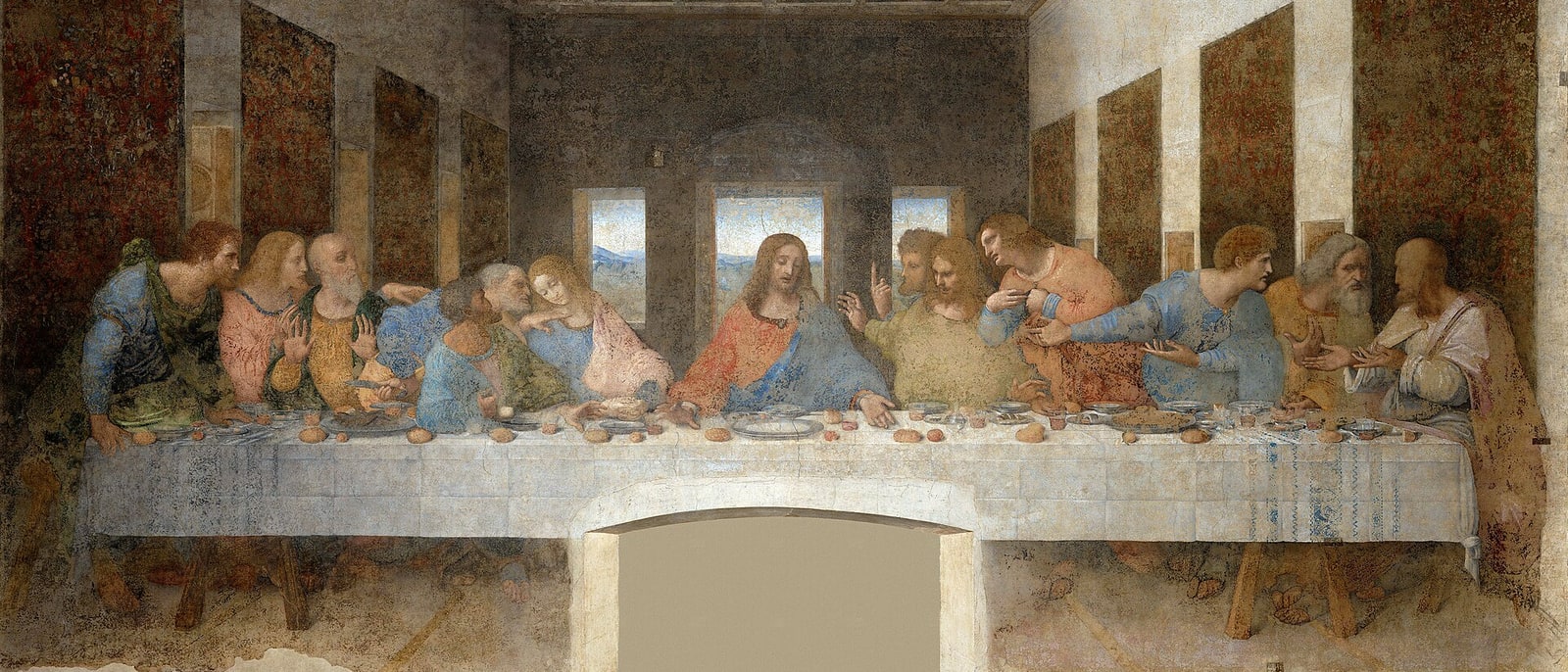
The Last Supper is booked months ahead. That isn’t guidebook exaggeration: thirty-five people go in every fifteen minutes, at an assigned time, and that’s all. That’s the daily capacity and it sells out. If you’re coming to Milan for a weekend and want to see it, book before you buy the flight, because the other order doesn’t work.
With that settled, two days in Milan are plenty and even allow the move locals make: leaving. Lake Como is forty minutes away by train and Bergamo fifty, and either is a full day and much better than a third museum. Milan is a city for working in during the week and leaving on Sunday, and it’s worth copying.
The route, stop by stop
4 STOPS- 01
Saturday: the Last Supper
It fills the refectory of a convent, which was its dining hall, and that’s where Leonardo painted it between 1495 and 1498 so the friars could eat looking at it. Entry is exactly fifteen minutes, in groups of thirty-five, through chambers that regulate humidity. It isn’t theatre: the painting has been dying since the day it was finished.
And that’s the story. Leonardo didn’t want to do a fresco, which is painted on wet plaster and lasts centuries, because fresco forces you to work fast and he wanted to be able to correct. So he painted in tempera on dry plaster, and it began flaking within twenty years. What you see is a ghost restored twenty times.
And even so it survived the impossible: in August 1943 a bomb destroyed the entire refectory. The roof and three walls came down. The Last Supper’s wall, protected with sandbags, stayed standing. There are photographs.
- 02
Saturday: the Pinacoteca di Brera
Brera holds Milan’s great picture gallery and carries an origin it doesn’t disguise: Napoleon assembled it in the early nineteenth century out of what his troops requisitioned from churches and convents across northern Italy. It’s a museum made of loot, and that’s explained inside without hedging.
Inside is Mantegna’s Dead Christ, one of those works you have to see in person because the foreshortening doesn’t work in a photograph: it’s painted from the feet, soles in the foreground, and depending where you stand it follows you.
There’s Raphael, Caravaggio and Piero della Francesca too.
The quarter around it, Brera, is one of the few corners of Milan with crooked streets, and it’s where the bohemia was before it cost what it costs.
- 03
Saturday night: La Scala and the gods
La Scala dates from 1778 and from outside it’s such a plain building that people walk past without recognising it. Inside it’s red and gold with six tiers of boxes. You can see it on the museum visit, but the thing is to go to something.
And here’s the interesting part: the top floor, the loggione, is the cheap section, and its regulars are the most feared audience in opera. They aren’t newspaper critics: they’re Milanese who have been coming for sixty years, who know every recording, and who boo a tenor without mercy for a missed note, world star or not. It has happened to the greatest and it has made front pages.
Loggione tickets are the cheapest in the house and go on sale the same day: it’s how you see La Scala without paying a fortune.
- 04
Sunday: Lake Como
Forty minutes by train and you’re at a glacial lake four hundred metres deep, one of the deepest in Europe, with the Alps behind it and villages clinging to the shore. That this sits forty minutes from an economic capital is the best thing about Milan.
The lake is shaped like an upside-down Y and that decides your day. Como, the town, is at the south-west tip and it’s the easiest but the least beautiful. The trick locals use is to take the train to Varenna, on the eastern arm, which has a station beside the pier, and from there cross by ferry to Bellagio, the village at the centre of the Y, in fifteen minutes.
That ferry, with the lake’s three arms opening out around you, is the trip.
Frequently asked
How do you see Leonardo’s Last Supper?
By booking, months ahead: thirty-five people go in every fifteen minutes at an assigned time, and that capacity sells out. If you’re coming for a weekend, book before buying the flight. It’s in the refectory of Santa Maria delle Grazie.
Why is the Last Supper in such poor condition?
Because Leonardo didn’t paint it in fresco. Fresco is done on wet plaster and lasts centuries, but it forces you to work fast and he wanted to correct, so he used tempera on dry plaster. It began flaking within twenty years. Even so it survived a bomb that destroyed the rest of the refectory in 1943.
How do you get to Lake Como from Milan?
By train, forty minutes. The trick is not to go to Como town, which is the least beautiful, but to Varenna, whose station is next to the pier, and cross by ferry to Bellagio in fifteen minutes. The lake is an upside-down Y and that ferry crosses right through the middle.