Tapas in La Latina
4 h route4 stopsBest: Sunday lunchtime, after the Rastro flea marketUpdated July 2026
La Latina is Madrid’s tapas neighbourhood, and the way to do it isn’t to sit down for a meal in one place but to move bar to bar with a beer and a tapa at each. We won’t hand you a list of bars here (they close, they change hands, this year’s best is next year’s worst) but the streets. Go down and step into whichever bar is packed.
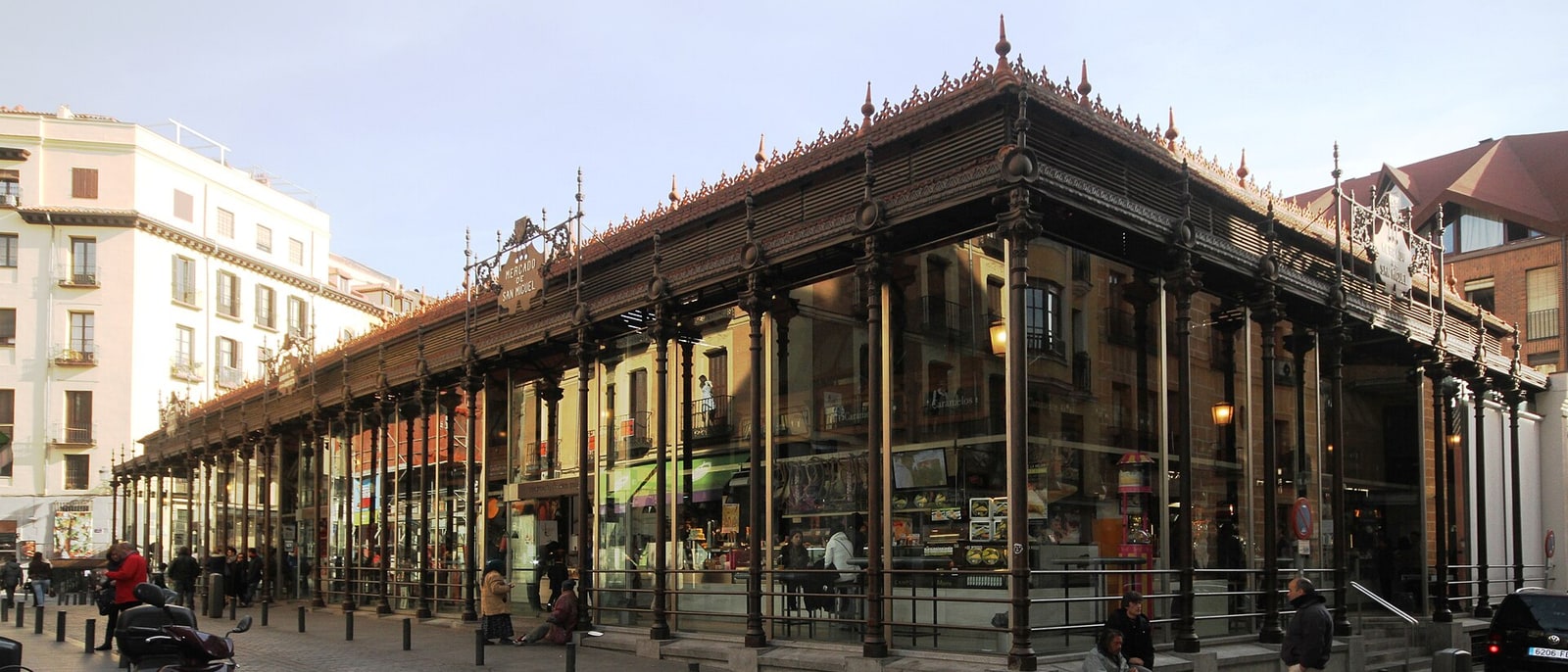
The big day is Sunday, when the Rastro flea market spills down the Ribera de Curtidores and the whole neighbourhood ends up drinking beer at lunchtime. The local rule: order standing, pay at the end, and don’t save a table.
The route, stop by stop
4 STOPS- 01
Cava Baja
The tapas street par excellence: two hundred metres of slope, century-old taverns on both sides, and a buzz that doesn’t let up from Friday to Sunday. Start at the top, at the Plaza de la Cebada, and work down, in and out of the bars.
Don’t book or hunt for a table: this is done standing, a beer and a bite per bar, paying as you leave.
If a bar is empty, there’s a reason. Follow the one that’s overflowing.
- 02
Plaza de la Cebada and Plaza del Humilladero
The two squares where Cava Baja empties out and where the crowd spills over when the bars are full. In summer and on Sundays they’re an open-air throng, beers in hand and nowhere to sit. It’s the social heart of the neighbourhood more than a sight: there’s nothing to "see", but it’s where you understand how Madrid goes out.
- 03
The Basilica of San Francisco el Grande
At the edge of the neighbourhood, an 18th-century basilica with one of the largest domes in Christendom (33 metres across, wider than St Paul’s in London) and an early Goya in one of the chapels. Almost nobody goes in, and it’s one of the calmest visits in the centre. It’s the perfect counterpoint to the tapas: fifteen minutes of cool and quiet before heading back to the bar. It shuts at midday, so fit it in before lunch or in the mid-afternoon.
- 04
Sobrino de Botín
The oldest continuously operating restaurant in the world according to Guinness: it opened in 1725 and hasn’t closed since. Its original wood-fired oven roasts the suckling pig and lamb it’s famous for. Hemingway put it in The Sun Also Rises and it’s never wanted for customers since. It’s neither a secret nor a bargain: it’s pricey and needs booking ahead. Come if you want the historical experience. For real tapas-hopping, Cava Baja is better and cheaper.
Frequently asked
Which neighbourhood is best for tapas in Madrid?
La Latina, and specifically Cava Baja and its surroundings, is the tapas neighbourhood par excellence, especially on Sundays after the Rastro. Cava Baja alone packs taverns on both sides into barely two hundred metres.
How does tapas-hopping work?
You move bar to bar rather than eating a meal in one place: at each bar you order a beer and a tapa, standing, and pay as you leave. The point is to try several bars in a night, not to fill up at the first.
Do I need a reservation for tapas in La Latina?
No: the tapas taverns are stand-up bars and don’t take bookings, you walk in and order standing. The exception is sit-down restaurants like Botín, where you should book ahead.