OZU /INDONESIA /JAKARTA /GUIDE
The sinking city and the capital that’s moving
2 h route3 stopsBest: It’s context, not a visit: read it before you walk the cityUpdated July 2026
This isn’t an attraction, it’s the story that explains all of Jakarta and the reason Indonesia is doing something almost no country has done: building a new capital from scratch, in the jungle, 1,200 kilometres away.
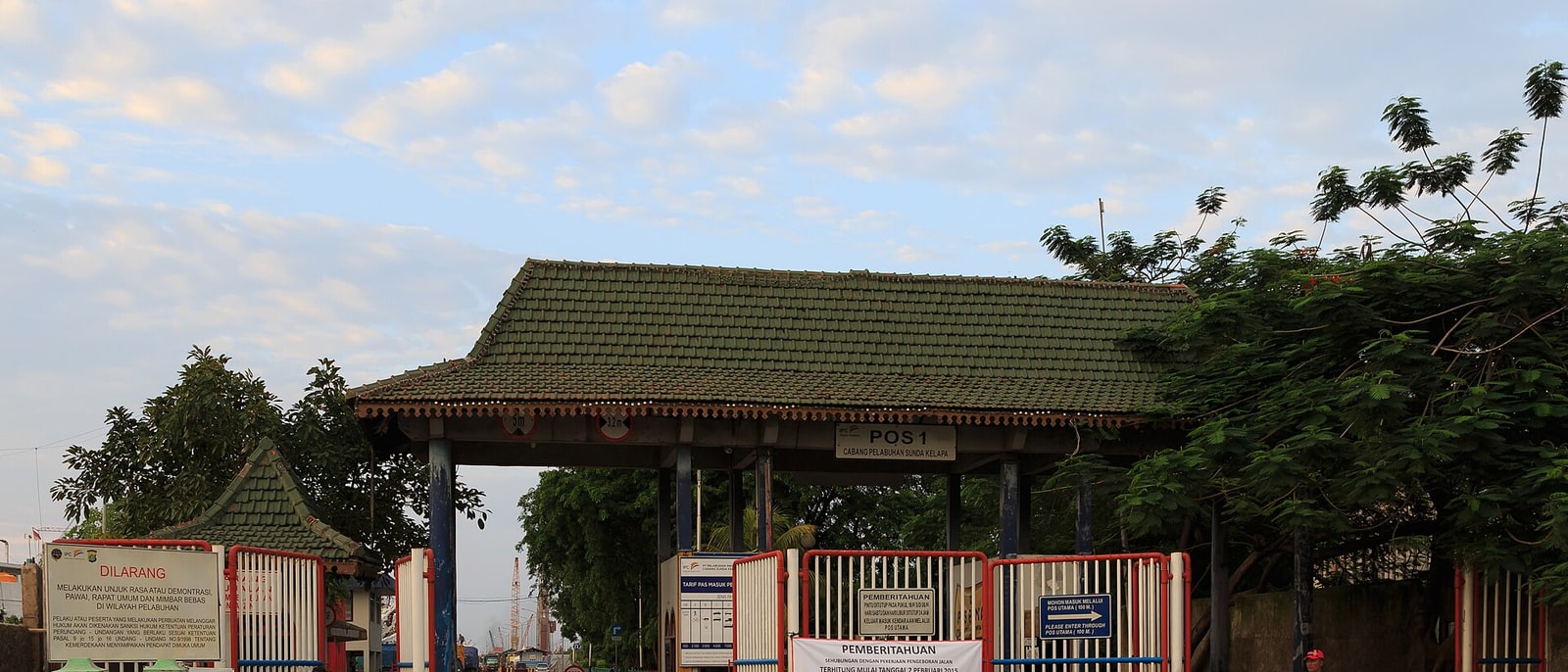
The reason: Jakarta is sinking. Not metaphorically. It’s one of the fastest-sinking cities in the world, and some northern areas have been dropping by up to around 25 centimetres a year. Roughly 40% of the city is already below sea level.
The route, stop by stop
3 STOPS- 01
Why it’s sinking
The main cause doesn’t come from the sea rising, though that too: the city pumps the water out from underneath itself. Jakarta never built a mains water network reaching everyone, so millions of people and many large buildings draw water from wells, legal and illegal, from the aquifer beneath the city.
Emptying the aquifer compacts the ground, soft delta sediment, and it drops. And the more it drops, the more it floods. And the more it floods, the worse the surface water gets and the more wells are sunk. It’s a perfect vicious circle.
In the north there are whole neighbourhoods where the sea sits above the rooftops and only a dyke separates them from the water, and where houses have their ground floor buried because the street has been raised again and again.
- 02
Nusantara: the new capital
In 2022, Indonesia passed a law to move the capital to Nusantara, a new city built from scratch in the jungle of East Kalimantan, some 1,200 km away. It isn’t only the sinking: it’s also to decongest Java, home to more than half the country, and to spread development eastwards.
And here’s the fact almost everyone gets wrong: Jakarta is still the capital of Indonesia. The law says it will be until a presidential decree formally transfers the status, and that decree hasn’t been signed. In May 2026 the Constitutional Court rejected a challenge and confirmed exactly that.
There’s a regulation setting 2028 as the target for Nusantara to become the “political capital”, and construction continues. But as things stand today, the capital is this one, and Jakarta will remain the country’s economic centre whatever happens.
- 03
What you can actually see of it
This doesn’t count as conventional sightseeing and it needs saying carefully: these are neighbourhoods where people live, not a viewpoint. But if urbanism or climate interests you, north Jakarta is one of the most eloquent places on the planet.
Around Muara Baru there’s a sea wall where you can see, physically and at a glance, that the sea level on the other side is above the level of the street you’re standing in. The water is up and you are down, separated by a wall. Seeing that explains in three seconds why an entire country has decided to move its capital.
If you go, go with a local guide and go respectfully: it’s a neighbourhood, not an attraction.
Frequently asked
Is Jakarta still the capital of Indonesia?
Yes, as of today. The 2022 law approved the move to Nusantara, but states that Jakarta remains the capital until a presidential decree formally transfers the status, and that decree hasn’t been signed: the Constitutional Court confirmed this in May 2026. There’s a 2028 target for Nusantara to become the “political capital”.
Why is Jakarta sinking?
Mainly because the city extracts water from the aquifer beneath it through millions of wells, in the absence of a universal mains network. Emptying it compacts the soft delta sediment and the ground drops: some northern areas have sunk by around 25 cm a year, and roughly 40% of the city is already below sea level.
What is Nusantara?
The new capital Indonesia is building from scratch in the jungle of East Kalimantan, some 1,200 km from Jakarta, approved by law in 2022. It’s being done because of Jakarta’s sinking, to decongest Java and to spread development eastwards. It isn’t the capital yet.