OZU /UNITED ARAB EMIRATES /ABU DHABI /GUIDE
Abu Dhabi: practical tips
1 h route4 stopsBest: November to March. Summer here isn’t a season, it’s a wallUpdated July 2026
There are medicines you buy at a European pharmacy with no ceremony at all (codeine, tramadol, some anxiolytics, CBD products) that are on controlled lists here. The Emirates have zero tolerance on drugs, and that policy applies to minimal quantities. Checking before you fly is the most important thing on this page, far above anything else.
The rule: carry the prescription, in English if you can, and check on the Emirati health ministry’s official site whether your active ingredient needs prior permission. It’s applied for before travelling. And from there, Abu Dhabi is an easy, safe place and considerably more relaxed than people expect, though it has a couple of differences from Dubai worth being clear about.
The route, stop by stop
4 STOPS- 01
How it differs from Dubai
Abu Dhabi, the country’s capital and the seat of power, behaves somewhat more conservatively than its neighbour. It isn’t a dramatic difference and you won’t notice it in a hotel, but it exists: rather more discretion in dress is expected here, especially outside tourist areas, and there’s less general tolerance for things Dubai lets pass.
In practical terms: alcohol is served in licensed premises, the same as there, and they apply the same rules that hold across the country. Never in the street, and being drunk in public is a criminal offence. Public affection, discreet.
And at the Grand Mosque the behaviour rules are genuinely enforced: there are staff telling you how you may sit, how you may pose for photos and where you may walk. It isn’t a monument, it’s an active place of worship where the country’s founder is also buried. Go covered, they lend robes, and don’t argue with anyone about a photo.
- 02
Summer, which isn’t a season
From May to September this goes past forty degrees with Gulf humidity on top, and the city moves indoors completely. It isn’t discomfort: being outside at midday in August is dangerous, and that’s why the law bans outdoor work during the middle hours in those months.
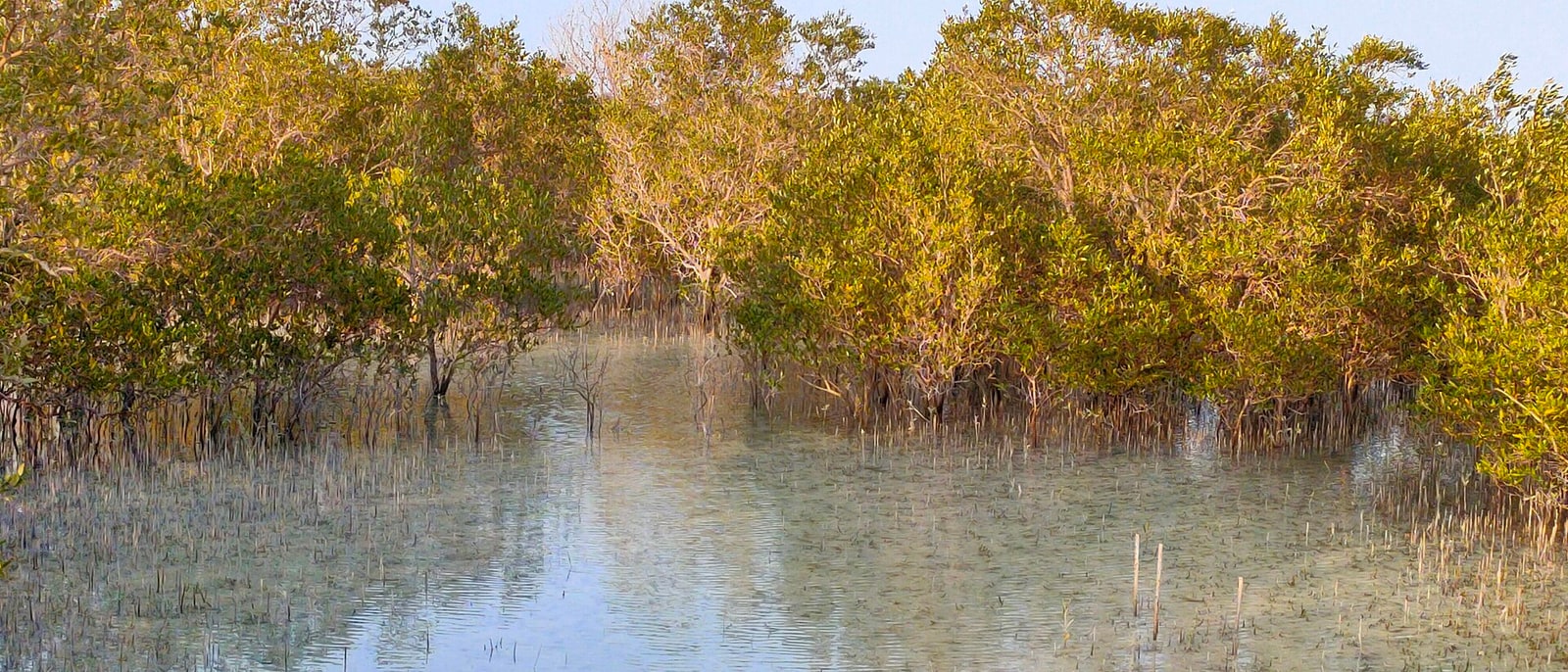
What it means for your trip: in summer, everything outdoors in this guide stops existing. No Corniche, no mangroves, no desert, no Al Ain, no camel races. You’re left with the Louvre, the mosque, the malls and the hotel. In exchange, prices collapse and the pools are empty.
From November to March, by contrast, this city is extraordinary: twenty-five degrees, a public beach in the centre, kayaking through the mangroves and the desert two hours away. If you can choose your dates, that choice matters here more than at almost any other destination on this list.
- 03
The easy parts
What causes no problem at all, which is almost everything. Abu Dhabi is one of the safest cities in the world for ordinary crime. The tap water is potable, it comes from desalination plants, though almost everyone drinks bottled for the taste. Cards are accepted everywhere, the dirham is pegged to the dollar and the exchange rate doesn’t move. English is spoken across the entire service sector.
On tipping: it isn’t compulsory but it has become customary, around ten per cent, and mind that many restaurants already include a service charge and a tourism fee on the bill. Taxis are metered.
And something worth bearing in mind if you hire a car: traffic fines here are caught by radar everywhere and accumulate against the plate. If you have any incident, settle it before leaving the country, because outstanding debts in the Emirates carry legal consequences that don’t work as they do in Europe. For an ordinary tourist this isn’t a problem, but it’s worth knowing sooner rather than later.
- 04
The calendar to check
Two dates worth checking before booking. The first: the weekend in the Emirates is Saturday and Sunday, since January 2022. Before, it was Friday and Saturday, and it was changed by decree to align the country with international markets. Friday is a half day and at midday everything stops for the main prayer of the week.
The second is Ramadan, which moves about eleven days each year, so you have to check. During that month, eating, drinking or smoking in public during daylight is prohibited by law, though in recent years enforcement has relaxed and many restaurants serve normally. The Grand Mosque changes its visiting hours and many places don’t serve alcohol.
In exchange, and this is worth it: anyone can go to an iftar, the meal breaking the fast at sunset, non-Muslims included, and it’s the one occasion when you’ll naturally share a table with Emiratis. Hotels pitch enormous tents for it. If it coincides with your trip, don’t avoid it: use it.
Frequently asked
When is the best time to visit Abu Dhabi?
November to March, and here that choice matters more than almost anywhere. From May to September it goes past forty degrees with Gulf humidity and everything outdoors stops existing: no Corniche, no mangroves, no desert, no Al Ain. You’re left with the Louvre, the mosque and the malls, though prices collapse. In winter it’s twenty-five degrees, with a public beach in the centre and the desert two hours away.
Is Abu Dhabi stricter than Dubai?
Somewhat, yes: it’s the capital and the seat of power, and a little more discretion in dress is expected outside tourist areas. It isn’t a dramatic difference. The country’s rules are the same: alcohol only in licensed venues, never in the street, and being drunk in public is a criminal offence. And check your medication before flying: there are medicines that are ordinary in Europe (codeine, tramadol, CBD) that are on controlled lists here.