OZU /UNITED ARAB EMIRATES /ABU DHABI /GUIDE
Abu Dhabi in a day
8 h route4 stopsBest: November to March. In summer you can only be indoorsUpdated July 2026
A well of fresh water on a Gulf island: that’s what lies at the origin of Abu Dhabi, not oil. Tradition says hunters of the Bani Yas tribe followed a gazelle from the interior to this island and discovered there was drinkable water there, a very rare thing on this coast. Hence the name: Abu Dhabi means “father of the gazelle”. Around that well they raised a watchtower in the eighteenth century to protect it, and that tower still stands in the middle of the city.
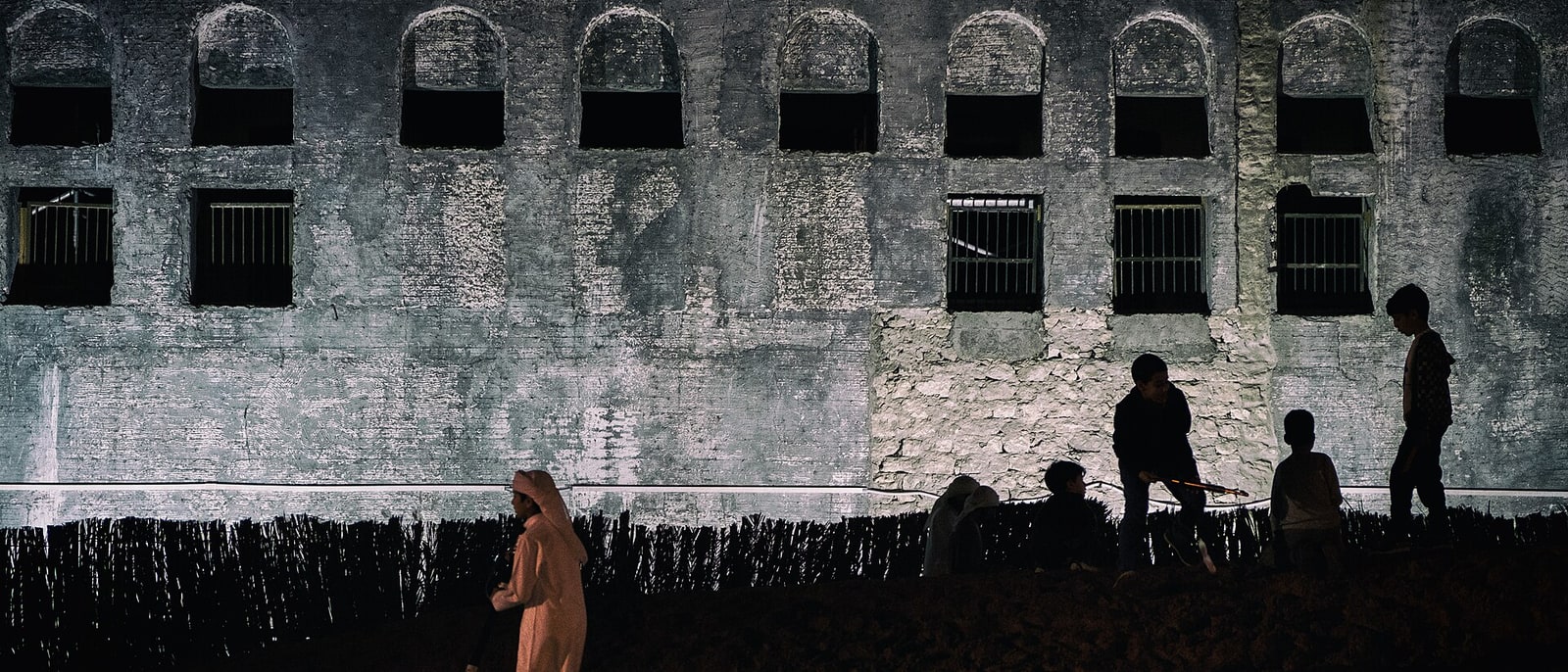
Oil didn’t arrive until the late fifties, two centuries later. And it arrived big: this emirate holds the vast majority of the country’s reserves and a significant share of the planet’s proven reserves. With it, it has bought, among other things, a Louvre museum, and built a mosque for forty thousand people. A day here is two big stops and a small one, and the small one, the well, is what explains the other two.
The route, stop by stop
4 STOPS- 01
The Sheikh Zayed Grand Mosque
White marble for forty thousand people, finished in 2007. It’s enormous and of a whiteness that hurts at midday, with eighty-two domes, four minarets and courtyards whose floors are covered in flowers inlaid into stone: not painted, inlaid, using the Italian technique of marble intarsia, with coloured semi-precious stones. Entry is free.
Inside there are two things to look for. The prayer hall carpet is the largest hand-knotted carpet in the world: over twelve hundred weavers made it in Iran, in pieces brought here and sewn together into a single carpet of thousands of square metres. The seams are there, but you can’t see them. And the lamps are German crystal with inlay. Sheikh Zayed, the country’s founder, is buried here.
Go at dusk: the exterior lighting changes colour following the phases of the moon, from white to blue, and that detail isn’t decorative, it’s a calendar. You must be covered and they lend robes at the door.
- 02
The Louvre Abu Dhabi
A flat dome nearly two hundred metres across, apparently floating over a cluster of white buildings set into the water. It’s pierced by thousands of openings in eight superimposed layers, and the sun, passing through them, projects a rain of points of light below that moves all day. The architect called it a rain of light and it is, without argument, half the visit. That dome weighs roughly what the Eiffel Tower weighs and rests on just four points you can’t see.
The museum inside has an argument of its own and it’s what saves it from being a franchise: the rooms are ordered not by civilisation but by period.
So in the same room you see what was being made at the same time in China, in Egypt, in Greece and in the Americas, and the coincidences jump out at you. It’s a simple and very powerful idea.
And the deal should be stated plainly, because it isn’t a secret: Abu Dhabi paid France a very large sum to use the Louvre name for thirty years, plus the loans of works. It’s a bought museum, and it works.
- 03
The tower over the well
In the middle of the skyscrapers, ringed by lawn and concrete, there’s a low white fort with a square tower. It’s called Qasr Al Hosn and it’s the oldest building in Abu Dhabi: the original tower went up in the late eighteenth century to watch over and protect the freshwater well that had made the settlement possible. It’s built of reef coral and mud, which is what people built with here.
This is the most important stop of the day and almost nobody makes it. Inside is the city museum, and what it tells is what this was: a village of fishermen and pearl divers, with palm-frond houses, on an island with nothing, living off the sea and a well. Until the late nineteen-fifties. Which is to say: everything you’ve seen today (the mosque, the Louvre, the towers) was built by people born into that.
It isn’t ancient history: it’s a grandfather’s life. Seeing it after the mosque and the Louvre is the right order, because it gives the other two their scale.
- 04
The Corniche at dusk
A promenade of some eight kilometres skirting the island, with lawn, a cycle path, a public beach and the towers behind. As the sun drops it’s where the whole city comes out: families with cool boxes, people running, kids on bikes, and that evening-picnic atmosphere that in the Gulf is the real social life.
And here comes a difference from the neighbour that surprises plenty of people: in Abu Dhabi the public beach is in the centre, it’s good and it’s free or nearly. You don’t have to cross a five-star hotel lobby to touch the water. This city is considerably calmer, greener and less vertical than Dubai, and the Corniche is where that shows.
One fact to see it differently: all that green is there because the country’s founder personally insisted on planting trees in a desert, and it was watered with desalinated water for decades. Every palm you see is a political decision.
Frequently asked
What to see in Abu Dhabi in a day?
The Sheikh Zayed Grand Mosque, free, with the largest hand-knotted carpet in the world, over twelve hundred weavers made it, and exterior lighting that follows the phases of the moon, the Louvre Abu Dhabi, with its dome that weighs like the Eiffel Tower and which orders works by period rather than civilisation, the Qasr Al Hosn fort, the eighteenth-century tower over the well that explains why the city exists, and the Corniche at dusk.
Why is it called Abu Dhabi?
It means “father of the gazelle”. Tradition says hunters of the Bani Yas tribe followed a gazelle from the interior to this island and discovered there was fresh water there, a very rare thing on this coast. Around that well they raised a watchtower in the eighteenth century, Qasr Al Hosn, which still stands. Oil didn’t arrive until the late fifties, two centuries later.