A weekend in Shanghai
18 h route4 stopsBest: October or November. In summer the humidity is from another planetUpdated July 2026
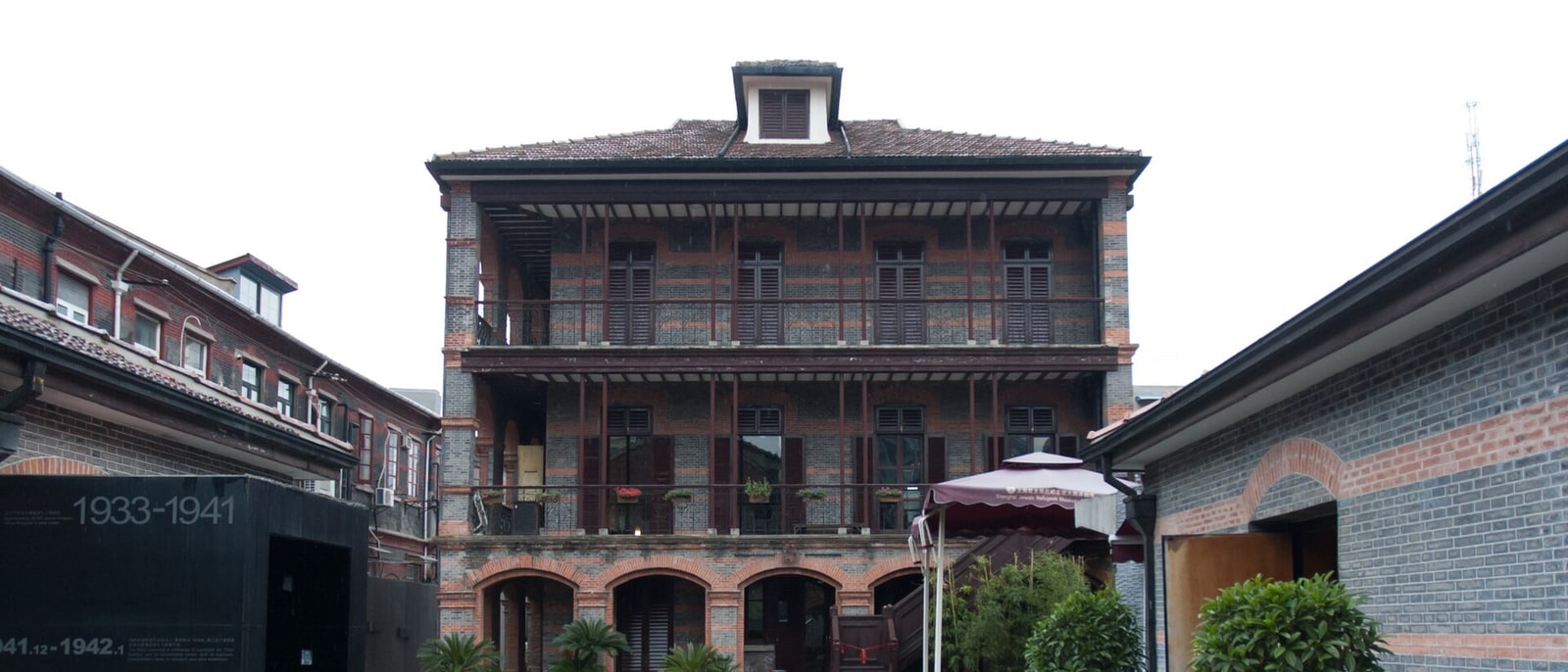
The museum to see here is on nobody’s top ten and it’s in Hongkou, north of the river. Between 1938 and 1941, some twenty thousand Jews fleeing Nazi Germany ended up in Shanghai for an administrative and brutal reason: it was the only port in the world you could reach without a visa. No country wanted them and here nobody’s permission was needed.
With that saved for Sunday, Saturday belongs to the usual city: the Bund, Pudong, the French Concession. And there’s an alternative that competes and wins if the weather holds: Suzhou is twenty-five minutes away by high-speed train and has sixteenth-century gardens listed as world heritage. Twenty-five minutes. It’s faster than crossing Shanghai.
The route, stop by stop
4 STOPS- 01
Saturday: the Bund and Pudong
Day one splits between the two banks: morning on the Bund looking at the twenties frontage, afternoon crossing to Pudong to go up a tower and look back. It’s the obvious route and it works because the two halves explain each other.
The one piece of advice that changes the day: don’t cross by metro. There’s a scheduled ferry locals take to work, it costs small change and takes five minutes, and it puts you in the middle of the river with both banks at once.
It isn’t a boat tour and there’s no commentary: it’s public transport, with people wheeling bicycles on. It’s the best ride in the city and it costs less than a coffee.
- 02
Saturday night: the French Concession
In the plane-tree quarter you eat and go out, and it has architecture you need to know how to look at: the shikumen, “stone gate”. It’s a hybrid that exists only here: outside it’s a terraced house like Liverpool’s, with its stone door surround, and inside it has a Chinese courtyard. They cluster into narrow lanes, the longtang, which were how this city lived for a century.
There are two versions to see. Xintiandi is a restored shikumen block turned into shops and restaurants: it’s comfortable, it’s pretty, and nobody lives there any more. And there are ordinary lanes, two streets further, where people still string washing window to window and eat dinner in the doorway.
Go to both and compare: the contrast explains what has happened in this city in thirty years better than any museum.
- 03
Sunday: the Jewish Refugees Museum
In 1938 and 1939, a Jew wanting to leave Germany found that no country would take them: a visa was required everywhere and the quotas were full or shut. Shanghai was the exception because it wasn’t exactly anybody’s: divided into concessions, there was no single authority demanding papers. You could buy a boat ticket and arrive. And some twenty thousand did.
They lived here, in Hongkou, in a poor district the Japanese later turned into a restricted ghetto. They went hungry and they got through the war, and almost all of them survived. The museum is in the synagogue they used, with a wall of names.
And something stays with you: most didn’t choose Shanghai because they wanted to come. They chose it because it was the only place on earth that asked nobody’s permission for them to exist. It takes two hours and it’s the best thing in this city.
- 04
Sunday: the Shanghai Museum
Few museums in China match this one, and its strength is one very specific thing: the ritual bronzes, three-thousand-year-old vessels from the Shang and Zhou dynasties, covered in figures and monsters cast with a clay-mould technique that didn’t exist in Europe. Seeing them is understanding that there was an organised state here when the rest of the world had almost nothing.
There’s also calligraphy, painting, jade and Ming furniture, in a building round on top and square below, with the same heaven-and-earth idea as Beijing’s Temple of Heaven.
It’s the perfect plan for a rainy Sunday, which in Shanghai is fairly likely, and it’s the calm half of a weekend that runs on contrasts.
Frequently asked
Why were there Jewish refugees in Shanghai?
Because it was the only port in the world reachable without a visa: divided into foreign concessions, there was no single authority demanding papers. Between 1938 and 1941 some twenty thousand Jews fleeing Nazi Germany arrived, when no other country would take them. The museum is in Hongkou, in the synagogue they used.
What is a shikumen?
“Stone gate”: Shanghai’s own architecture, a hybrid of the British terraced house and the Chinese courtyard, clustered into narrow lanes called longtang. It was how the city lived for a century. Xintiandi is the restored commercial version. Two streets away are the lanes where people still live.
What’s the best way to cross the river in Shanghai?
The scheduled ferry, not the metro: it costs small change, takes five minutes and puts you mid-river with both banks at once, the 1920s Bund on one side and Pudong on the other. It isn’t a tour, it’s public transport, and it’s the best ride in the city.