OZU /DOMINICAN REPUBLIC /PUNTA CANA /GUIDE
A weekend in Punta Cana
18 h route5 stopsBest: December to April. Summer brings sargassum and hurricanesUpdated July 2026
The split that works is one day on a boat, which is the one people remember, and one on land to see the little there is inland and eat something that didn’t come off a buffet. Two days are plenty, if you accept the premise: nobody does city sightseeing here, they do water.
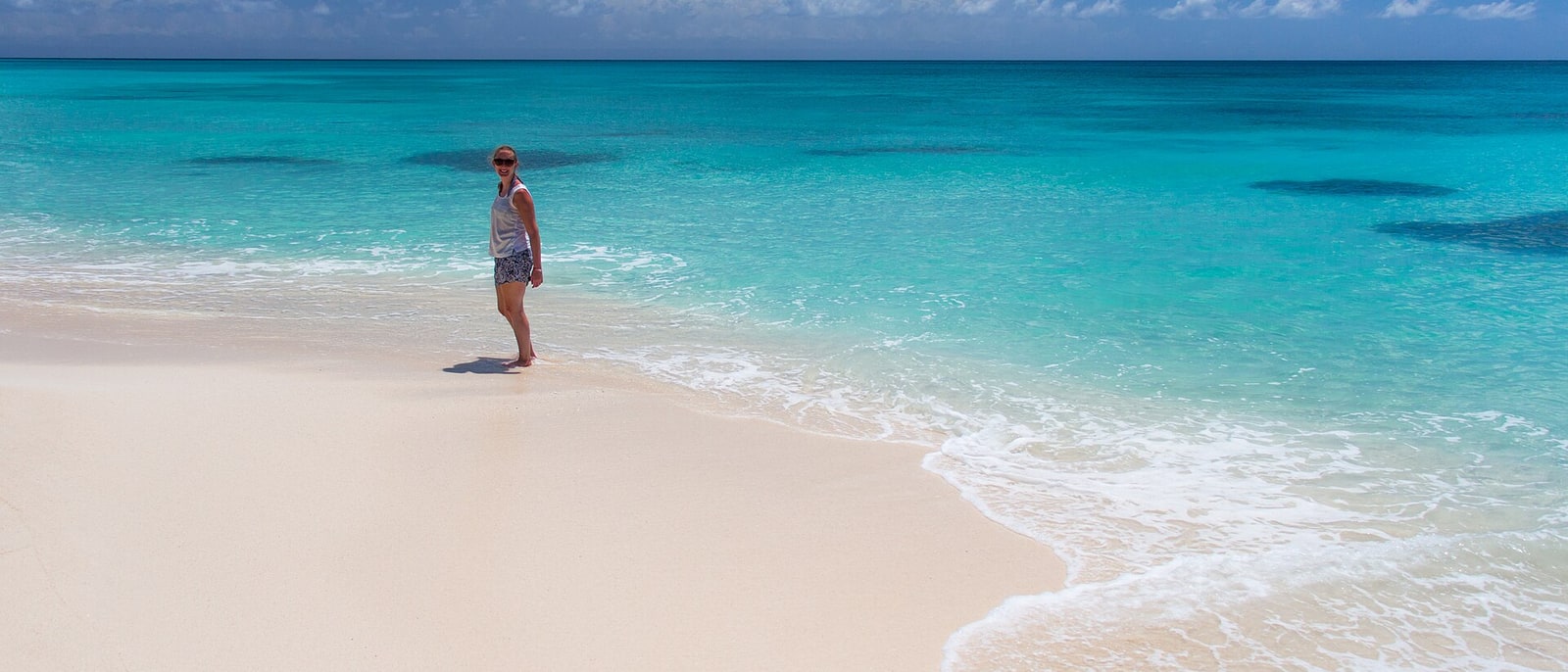
Saturday’s trip is sold at every hotel desk and it’s going to be Saona Island. It’s good and genuinely beautiful, but go knowing two things nobody mentions at the point of sale: that a good part of the day is sailing, and that at the star attraction someone will put a starfish in your hand for the photo. That photo kills it.
The route, stop by stop
5 STOPS- 01
Saturday: Saona Island
Saona stretches twenty-five kilometres inside the Cotubanamá national park, with no roads and two fishing villages. The standard trip leaves from Bayahibe, goes out by catamaran with rum and merengue at full volume, stops at the natural pool and comes back by speedboat because the catamaran would take twice as long.
The real arithmetic, which the desk doesn’t give you: allow an hour-plus in a van from Bávaro to the pier, and the same coming back. Out of the whole day, you’re on the island about three hours.
Knowing that, it works: Saona’s beach is one of the genuinely good ones in the Caribbean and the park stops anything being built. Not knowing it, you come away feeling you spent your life in a van.
- 02
The natural pool, and the starfish
Halfway across, the boat stops on a sandbank in the middle of the sea, a metre of water over a white bottom: it’s the stop in all the photographs and it’s as beautiful as it looks. And on the bottom there are big orange starfish, sitting still.
Here’s what to know and what nobody will tell you: a starfish breathes through water, taking up oxygen through tiny gills in its skin. Lifting it into the air for a photo is suffocating it, and thirty seconds already does damage. Putting it back “alive” doesn’t mean it survives. Some guides will place one in your hand because it’s what people ask for.
Say no. You can see them perfectly with your face in the water, and that way they’re still there next year.
- 03
Saturday night: the colmado
A colmado, the corner shop selling rice, oil and single cigarettes, from six in the evening puts plastic chairs out on the pavement, turns the music up to an indefensible volume and becomes the neighbourhood bar. There’s one on every corner in this country and it’s where the entire social life happens.
It isn’t an attraction and that’s why it works: nobody set it up for you. You order a big Presidente, you share it, you stay.
If there’s bachata playing, notice a detail that explains half the country: that music was banned from the radio for decades for being poor people’s music, and in 2019 Unesco declared it intangible heritage of humanity. Here that was celebrated like a goal.
- 04
Sunday: Altos de Chavón
A sixteenth-century Mediterranean stone village overlooking a canyon, with its church, its lanes and its Roman amphitheatre. All of it is from the seventies. A Paramount set designer drew it for the conglomerate that owned half the island, and it was built by hand, stone by stone, without heavy machinery, by Dominican craftsmen.
It’s a stage set that decided to become a real village and largely pulled it off: inside there’s a design school affiliated with Parsons in New York with actual students, working ceramics workshops, and a five-thousand-seat amphitheatre that Frank Sinatra opened in 1982 and that everyone from Sting to Juan Luis Guerra has played.
Knowing what it is, it’s fascinating. Believing it’s old, it’s a con.
- 05
Sunday: Higüey
Higüey appears when you stop looking at the sea: an ordinary Dominican city of the kind that appears in no brochure, with its market, its noise, its motoconchos and its people doing things that have nothing to do with you. It’s where a good share of the people who work in the resorts live.
And in the middle of it is something that throws you: the basilica of Nuestra Señora de la Altagracia, completed in 1971, which is neither colonial nor pretending to be.
It’s an eighty-metre concrete arch designed by two French architects, brutalist and enormous, and it’s the country’s most important pilgrimage site: on 21 January half the Caribbean turns up. Seeing that nave from inside justifies the whole trip.
Frequently asked
Is the Saona Island trip worth it?
Yes, if you know the arithmetic: it’s an hour-plus in a van to the pier at Bayahibe each way, and out of the whole day you’re on the island about three hours. The beach is one of the genuinely good ones in the Caribbean and it’s inside a national park, so nothing can be built.
Can you pick up the starfish at the natural pool?
No, even if the guide puts one in your hand: they breathe through water via tiny gills in the skin, and lifting them into the air suffocates them. Thirty seconds already does damage and putting them back doesn’t mean they survive. You can see them perfectly by putting your face in the water.
What is Altos de Chavón?
A sixteenth-century Mediterranean village built in the seventies: a Paramount set designer drew it and Dominican craftsmen built it by hand. Inside there’s a design school affiliated with Parsons and an amphitheatre Frank Sinatra opened in 1982. Knowing what it is, it’s fascinating.