OZU /DOMINICAN REPUBLIC /PUNTA CANA /GUIDE
Eating in Punta Cana beyond the buffet
5 stopsUpdated July 2026
The all-inclusive has a structural problem with no fix that is nobody’s fault: a buffet feeding Germans, Russians, Argentinians and Americans at the same time can’t cook Dominican, because Dominican doesn’t please all twenty at first bite. So it cooks the lowest common denominator, and what comes out comes out.
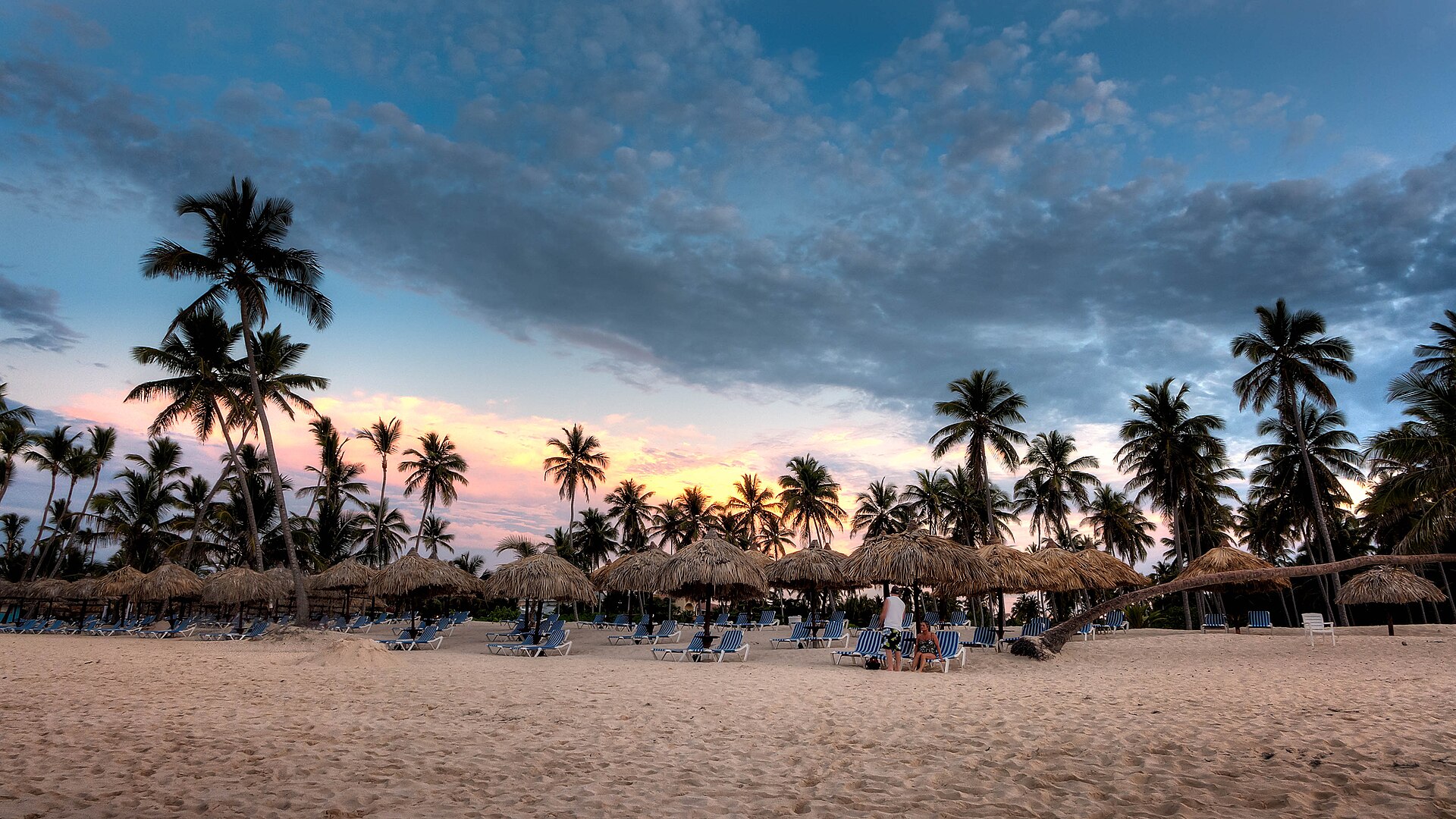
What this country eats is simple, heavy and very good: white rice with beans and meat every day (it’s called la bandera, after the flag) plantain in all its forms, and a Sunday broth with seven meats in it. None of that is in your hotel. To find it you have to leave, and ten minutes out it starts to exist.
The route, stop by stop
5 STOPS- 01
La bandera
The everyday dish is called the Dominican flag and it isn’t a clever metaphor: the white rice, the stewed red beans and the meat are literally the colours, and it’s eaten at midday in every house in the country three hundred and sixty-five days a year. Green salad comes with it and, almost always, tostones.
It sounds like nothing written down and it’s one of those things you only understand by eating it: the beans have squash in them and are stewed until they thicken by themselves, and the rice is cooked chasing the concón, the toasted crust on the bottom of the pot, which is the bit people fight over.
Look for it at a roadside comedor, one of those places with four tables and a hand-painted sign where working people stop.
- 02
Mangú and the three hits
Dominican breakfast starts with green plantain boiled and mashed with its own cooking water until it turns into a thick purée, with pickled onion on top. That’s mangú. And when you put fried cheese, fried salami and fried egg beside it, it’s called mangú with the three hits, which is the actual name and the one on the menu. It’s the breakfast the whole country eats before work and it has nothing to do with the fruit and crêpe station in your hotel. Dominican salami, incidentally, is nothing like the Italian: it’s softer, more spiced and cut in thick slices to be fried. It’s one of those things you try suspiciously and repeat the next day.
- 03
Sancocho, and why it’s a Sunday thing
Sancocho serves as the national broth and the occasion dish: the full version has seven different meats (beef, pork, chicken, goat and whatever else) plus cassava, yam, plantain and squash, all in one pot for hours. It’s served with white rice on the side and avocado.
It’s a Sunday and a party dish for a practical reason: nobody makes this on a weekday because it takes half a morning, and for a cultural one. It’s food for a lot of people sitting down at once.
If you’re offered it in someone’s house, say yes and don’t ask what’s in it. It’s the most Dominican thing you’ll eat and it appears on no buffet, not least because you can’t leave it sitting on a hot tray for three hours.
- 04
The Presidente dressed as a bride
The national beer goes by Presidente and you order it big, a litre, to share, with small glasses that keep getting refilled. And you order it dressed as a bride: so cold that coming out of the fridge the bottle is coated in white frost. That isn’t poetic licence, it’s a service standard, and if it arrives without frost, at a colmado they send it back.
The other drink is mamajuana, and that one needs explaining: a bottle with tree bark, roots and herbs inside, cured with rum, red wine and honey. It tastes like medicinal syrup with character.
All sorts of virtues are attributed to it here that we won’t repeat, and the origin is Taíno: the indigenous people made the infusion with the same barks before rum existed.
- 05
The 28% that isn’t on the menu
The practical fact that prevents the most unpleasant surprises appears in no guidebook: in a formal Dominican restaurant, two things get added at the end to the price you saw on the menu. A 10% legal tip, compulsory by law and paid to the staff, and 18% ITBIS, the tax. In total, 28% on top of what you read.
It isn’t a scam and there’s nothing to argue: it’s regulated and it’s itemised on the bill. You simply have to count it when choosing where to eat, because a thousand-peso dish is one thousand two hundred and eighty. The 10% tip is already in there, so leaving more is genuinely voluntary. At colmados and roadside comedores none of this applies: there, the price is the price.
Frequently asked
What do people eat in the Dominican Republic?
La bandera (white rice, stewed beans and meat) every day at midday, mangú with the three hits (fried cheese, salami and egg) in the morning, and sancocho, a seven-meat broth, on Sundays. None of that is usually on a resort buffet.
Do you tip in the Dominican Republic?
It’s already included: in formal restaurants a 10% legal tip plus 18% tax (ITBIS) are added at the end, so 28% on top of the menu price. It’s regulated and itemised on the bill. Leaving more is voluntary. At colmados and comedores, the price is the price.
What is a Presidente dressed as a bride?
The national beer served so cold the bottle comes out coated in white frost. It isn’t poetic licence: it’s the standard, and at a colmado they send it back if it arrives without. You order the litre and share it in small glasses.