Tokyo: how not to get it wrong
1 h route5 stopsBest: Read it before you fly: five things, learned in five minutesUpdated July 2026
Japan has a reputation as a country of invisible rules where a foreigner gets it wrong every two minutes, and that reputation causes more anxiety than it deserves. The reality: nobody expects you to know anything, everyone is kind to someone who tries, and five things will do.
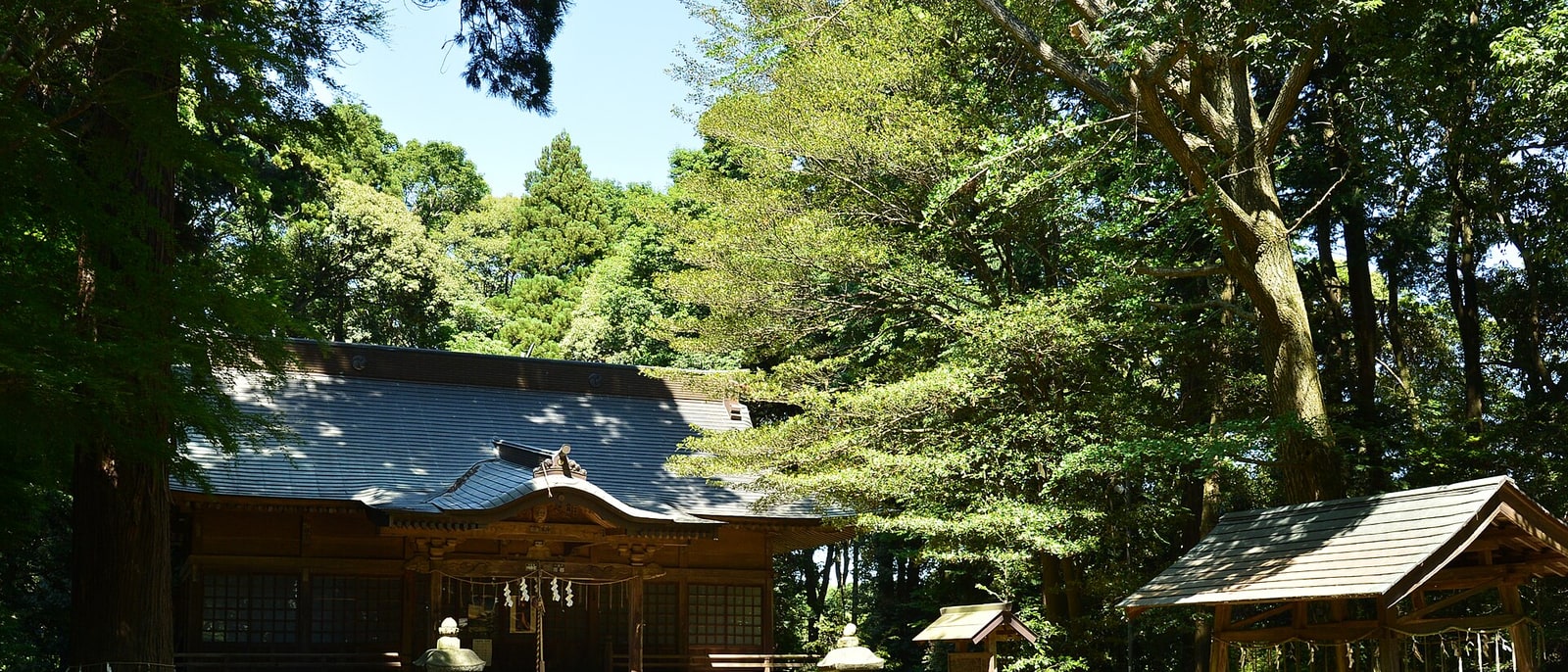
These are the five. They aren’t ceremonial etiquette: they’re the ones that affect your day, and the ones that will genuinely make your trip harder if you don’t know them.
The route, stop by stop
5 STOPS- 01
There are no bins, and there’s a reason
The first thing you notice: Tokyo gleams and not a single bin turns up anywhere. It looks like a contradiction and it has a specific, fairly dark explanation: they were removed en masse after the 1995 sarin gas attack on the Tokyo subway, because bins were an ideal place to leave something. They never came back.
The practical consequence is that people take their rubbish home, and you’ll have to as well. Carry a small bag in your rucksack. Where there are bins: next to vending machines there’s always a container for cans and bottles, and konbini have bins inside. Though they’re for what you bought there, not for emptying your bag.
And that’s exactly why people don’t eat while walking: you eat next to where you bought it and throw it away there.
- 02
You don’t tip. Ever
In Japan you don’t tip anywhere: not in restaurants, not in taxis, not in hotels. And it isn’t that it’s optional: it isn’t done, and doing it causes confusion. There’s a fair chance a waiter will chase you into the street to give back the money you “forgot”. The logic is that doing your job well is expected and doesn’t need an extra incentive. The menu price is the price. This is an enormous mental relief if you’re coming from the United States. The only thing resembling an extra charge is the izakaya otōshi: an appetiser you didn’t order that gets charged. It isn’t a scam, it’s the cover.
- 03
Stand left in Tokyo, right in Osaka
On escalators, people stand still on one side in a line and leave the other free for anyone in a hurry. In Tokyo you stand on the left. The right side is for overtaking. And here’s the odd part: in Osaka it’s the reverse, you stand on the right. Nobody can quite explain it and the border between the two customs sits somewhere between the two cities.
It’s the rule that most quickly marks you out as a foreigner and the easiest to follow: look at what the queue is doing and stand where they stand.
Same on the platform: there are marks on the ground, you queue, and you let people out before going in. Nobody pushes. In a station with three and a half million people a day, that order isn’t a quirk: it’s the only thing that makes it work.
- 04
Phone on silent, and no talking
Get on a full train in Tokyo at eight in the morning and what will impress you most isn’t the number of people: it’s the silence. Two hundred people in a carriage and you hear nothing. Phones go on silent, they call it “public mode”, and you don’t take calls on the train. There are signs asking for it and everyone complies. You can talk quietly to whoever you’re with, but the general volume is far below what you’d use on a Spanish train. It isn’t a legal ban, it’s a very solid social convention. Put your headphones in and lower your voice: that’s literally all that’s asked of you.
- 05
The shoes, and the onsen
The shoe rule announces itself: if on entering somewhere there’s a step, a change of flooring and shoes lined up, that’s where you take yours off. It happens at temples, in some restaurants, in ryokan and in private homes. They’ll give you slippers. And there are separate slippers for the toilet, which stay in the toilet: walking out in them is the classic rookie error.
And if you go to an onsen, hot spring bath, two things to know first. One: you go in naked, no exceptions, and areas are separated by sex. Two: you wash thoroughly, sitting on a stool with a shower, BEFORE getting in. The water is for soaking, not for cleaning.
And on tattoos: many traditional onsen still ban them, because of their historic association with organised crime. It’s changing, but if you have visible tattoos, check the policy before going.
Frequently asked
Why are there no bins in Tokyo?
They were removed en masse after the 1995 sarin gas attack on the subway, because they were an ideal place to leave something, and they never came back. People take their rubbish home. There are containers next to vending machines and inside konbini.
Can you enter an onsen with tattoos?
It depends: many traditional onsen still ban them because of their historic association with organised crime, though it’s changing and more accept them or provide covering stickers. If you have visible tattoos, check the policy before going.
Which side of the escalator do you stand on in Japan?
In Tokyo, on the left, leaving the right free for people overtaking. But in Osaka it’s the reverse, on the right. The safe way is to look at the queue and stand where everyone else stands.