Eating in Tokyo
3 h route5 stopsBest: Sushi for breakfast. Ramen at one in the morningUpdated July 2026
Tokyo has for years been the city with the most Michelin stars in the world, ahead of Paris, and that misleads: it suggests eating well here is expensive and needs booking months ahead. It’s the opposite. Tokyo is the easiest and cheapest city in the developed world to eat well in, because the floor is so high.
The key is specialisation. Here a place does one thing: only tempura, only eel, only soba, and it has been doing it for forty years. There’s no long menu. An eight-seat place where one man has made nothing but tonkatsu since 1980 will beat any hotel restaurant, and it costs what a set lunch costs.
The route, stop by stop
5 STOPS- 01
The konbini, seriously
This has to be said even if it sounds wrong: the food in Japanese convenience stores (7-Eleven, Lawson, FamilyMart) is good. Not “acceptable for a petrol station”: good. The 7-Eleven egg sandwich has a deserved international reputation, the onigiri are made several times a day and come in ingenious packaging that keeps the seaweed dry until you open it.
It’s where half of Tokyo has breakfast and lunch, not out of poverty but because it’s good and cheap. There’s decent coffee, there’s soup, there’s fried chicken on the counter. For breakfast or a late dinner after the last train, it’s the answer.
And yes, try the egg sandwich.
- 02
The depachika
The place that surprises most and that almost no visitor sets foot in. Japanese department stores have, in their basements (depachika, from “depāto” and “chika”, basement) a food market on a scale and of a quality that doesn’t exist in Europe: aisles and aisles of counters with bentō, tempura, wagyu, French patisserie, pickles, sashimi. It’s beautiful even if you buy nothing: the presentation is obsessive and the assistants offer you tastes. And there’s a trick: in the last hour before closing they discount the fresh stuff, and there are people waiting for the stickers to start going on. Buy a bentō and eat it wherever you like: it’s one of the best cheap meals in the city.
- 03
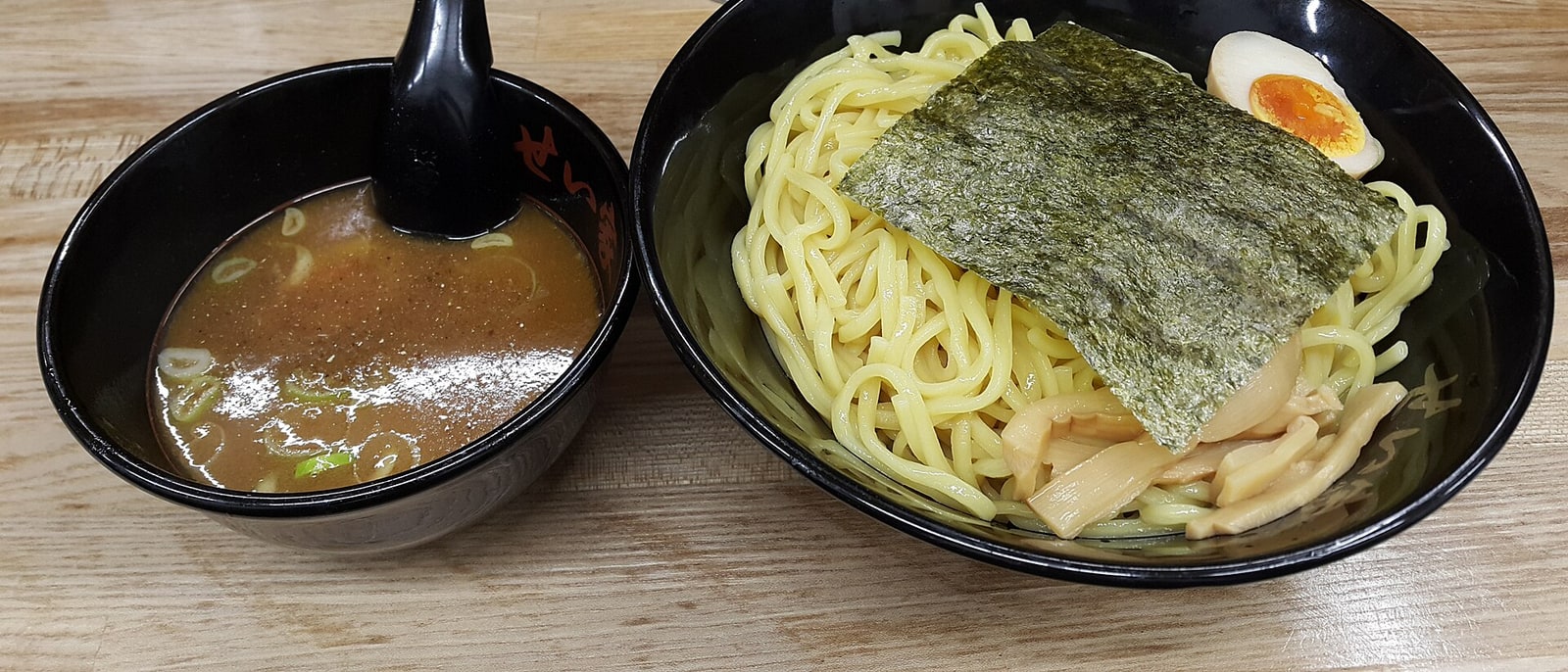
The ramen, and the ticket machine
The system throws you the first time: many ramen places have a vending machine at the door. You put in money, choose your bowl by pressing a button (sometimes only in Japanese, with photos if you’re lucky) a ticket comes out and you hand it to the cook. No menu, no waiter, no conversation.
And then: you slurp. It isn’t a myth, it’s done and it isn’t rude: it cools the noodle and aerates the broth. What is rude is lingering: in a ten-seat place with a queue outside, you eat and you leave. Forty minutes of after-dinner chat, no.
And there’s ramen at three in the morning, which is when it tastes best.
- 04
Sushi for breakfast
It contradicts everything you believe, and even so it’s true: the best sushi is eaten in the morning, because the fish has just arrived. In the Tsukiji outer market there are counters that open at five or six and by nine are serving the best of the day.
You don’t need a three-star sushi temple with a waiting list. A small counter, eight seats, the man behind and the case in front. You eat one at a time as they’re placed in front of you.
And a note on etiquette: nigiri is eaten with your hand, not chopsticks, and dipped on the fish side, not the rice side, which otherwise falls apart and takes half the sauce with it.
- 05
Yakitori under the tracks
In Tokyo, the railway viaduct arches hide an entire district of taverns: smoke, coals, stools in the street and office workers loosening their ties. Yakitori is grilled chicken on skewers, and the whole animal is used: thigh, skin, cartilage, heart, liver. You order tare (with sweet sauce) or shio (just salt), and the right answer the first time is shio, so you can taste what it actually is. It goes with beer and more skewers. It’s cheap, it’s informal, and with a train passing over your head every three minutes it’s one of those things that only happen here.
Frequently asked
Is eating in Tokyo expensive?
No: it’s one of the easiest and cheapest cities in the developed world to eat well in, because the floor is so high. An eight-seat place specialising in one thing costs what a set lunch costs and beats any hotel restaurant.
Do you slurp ramen in Japan?
Yes, and it isn’t rude: it cools the noodle and aerates the broth. What is frowned on is lingering in a small place with a queue outside: you eat and you go. In many places you pay first, at a ticket machine by the door.
What is a depachika?
The food market in the basement of Japanese department stores: aisles of counters with bentō, tempura, wagyu, patisserie and sashimi, at a quality that doesn’t exist in Europe. In the last hour before closing they discount the fresh food.