Mumbai: practical tips
1 h route4 stopsBest: November to February. And check the monsoon dates before anythingUpdated July 2026
Maharashtra, the state Mumbai is the capital of, technically requires an official permit to consume alcohol. It isn’t a joke or a repealed law: it’s a live rule, a legacy of an old prohibition policy, and there’s a drinker’s permit you can get online or that hotels and some bars arrange. In practice almost nobody asks a foreigner for it, but it’s real and it surfaces occasionally.
It’s the perfect example that this city has rules of its own worth knowing beforehand. The other big one is the climate: here you don’t talk about seasons, you talk about the monsoon, which from June to September falls on this coast with an intensity that floods streets, cuts trains and cancels boats. With those two things known and the rest of the basics, Mumbai is one of the easiest and most welcoming cities in India.
The route, stop by stop
4 STOPS- 01
The monsoon, which here isn’t a season
From June to September, the monsoon hits this coast and it isn’t like rain you know: it’s months of constant water and specific days when an absurd amount falls. In July 2005 nearly a metre fell in twenty-four hours and the city stopped completely, with hundreds dead. It isn’t a historical curiosity: Mumbai floods every year to a greater or lesser degree, because it’s land reclaimed from the sea and the drainage can’t cope.
Translated into your trip: November to February is the season, no argument. That’s when the climate is genuinely pleasant and everything works. March to May is an exhausting humid heat. And in the monsoon, half the city isn’t available: the boats to Elephanta don’t sail, the coast roads are cut and there are days when the commuter trains stop and the whole city stays wherever it is.
If you come in those months, come knowing, leave margin and don’t chain tight flights. The only thing the monsoon improves is the mountains to the east, which go green and fill with waterfalls.
- 02
Alcohol, and dry days
The drinker’s permit really exists: in Maharashtra you technically need one to consume alcohol, you get it online or hotels arrange it, and in practice a foreigner will almost never be asked. But it exists, and now you know what it is if someone mentions it.
What will genuinely affect you are dry days: there are specific dates in the year, set by law (national holidays, election days and some religious festivals) on which no alcohol is served or sold anywhere in the state. Not in bars, not in hotels, not in shops.
If your farewell dinner falls on one of those dates, you’ll find out on the spot. Check if it matters to you.
And in general: drinking here is expensive compared with the rest of Southeast Asia, because state taxes are high, and that’s one reason the Bandra bar scene costs more than you’d expect.
- 03
Getting around, and the women’s carriages
Mumbai moves by commuter train, and you have to understand what that means. It’s the infrastructure holding the city up, it moves millions of people a day and it’s the only fast way along that tongue of land. You can ride it and it’s worth doing once, outside rush hour and on a short run.
Outside rush hour. That isn’t a recommendation, it’s the rule: at rush hour these trains are packed in a way that has to be seen, with people hanging from the doors, and it’s no place for someone with a suitcase, with children or without practice. There are women-only carriages, signposted and respected, and if you’re travelling alone they’re the comfortable option. For everything else, the app car or the black-and-yellow taxi, always allowing for traffic that’s among the worst in the world and for the fact that the new metro line skips it by running underneath.
And one thing that surprises people: Mumbai is a fairly safe city to walk at night in the central areas, more so than many European capitals.
- 04
The India basics, here
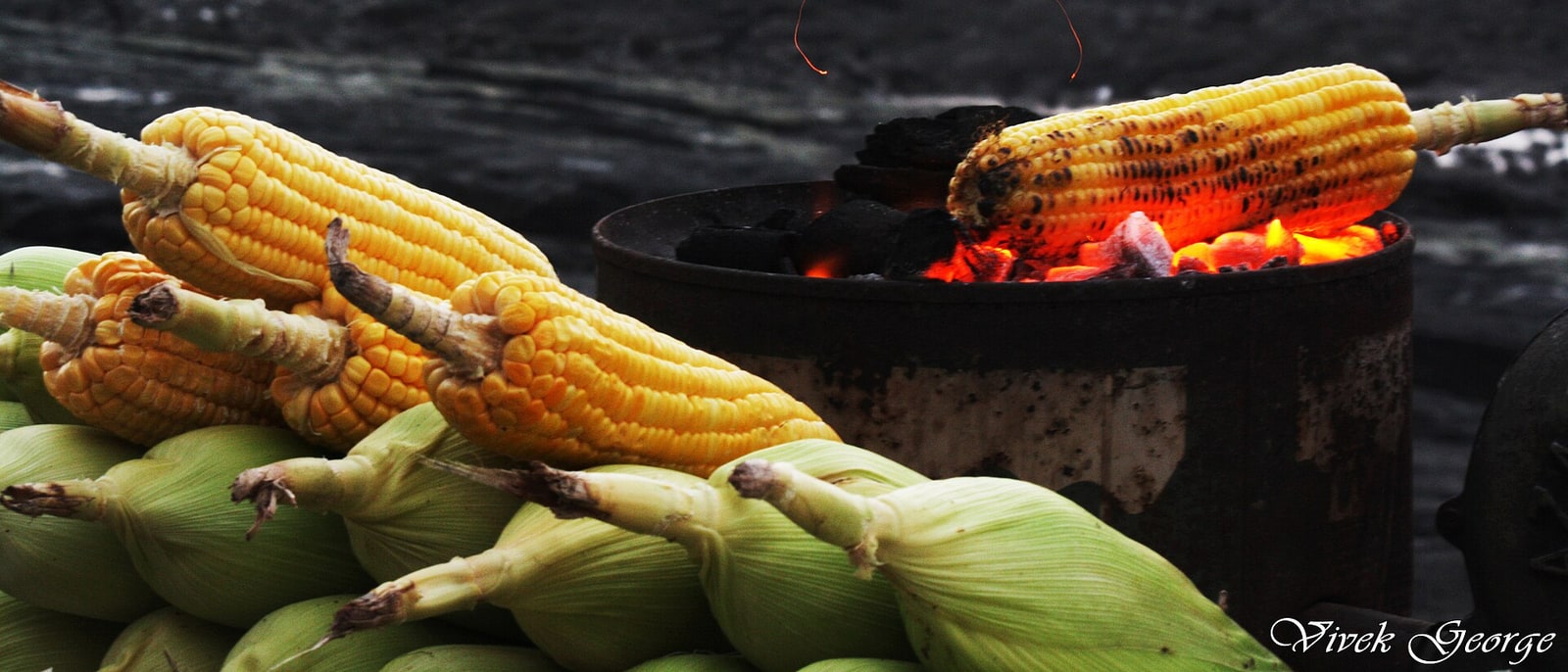
The same as the rest of the country applies and there’s nothing more to it. Bottled water always, seal intact, including for brushing your teeth. Street food here is among the best in India and it would be absurd to miss it: a queue of locals, made in front of you with fire, and high turnover. With that, go ahead. Bring rehydration salts from home just in case, and talk to your doctor about vaccines weeks in advance.
On manners: eat and give with your right hand, take your shoes off in temples and mosques and cover your head in Sikh shrines, and shoulders and knees covered outside tourist areas. A tip of around ten per cent if it isn’t on the bill.
And one Mumbai quirk compared with other Indian cities: commercial harassment of tourists here is notably lower. This is a working city, people are busy and nobody has time to chase you. It is, by a distance, the gentlest door into this country.
Frequently asked
When is the best time to visit Mumbai?
November to February, no argument. June to September the monsoon falls on this coast with an intensity that floods streets, cuts trains and cancels the Elephanta boats: in July 2005 nearly a metre of water fell in 24 hours and the city stopped. March to May is an exhausting humid heat. If you come in the monsoon, come knowing and don’t chain tight flights.
Can you drink alcohol in Mumbai?
Yes, though in Maharashtra you technically need a drinker’s permit: you get it online or hotels arrange it, and a foreigner is almost never asked. What will affect you are dry days: there are specific dates in the year, by law, on which no alcohol is served or sold anywhere in the state. And drinking here is expensive, because state taxes are high.