Athens’ neighbourhoods
5 h route4 stopsBest: At dusk, when the heat eases and the city comes outdoorsUpdated July 2026
Below the Acropolis, up against the rock, there’s a genuine Cycladic island village: whitewashed houses, blue doors, narrow steps, bougainvillea and cats. It isn’t a recreation or a set. It was raised in the nineteenth century by builders brought from the island of Anafi to construct the king’s palace, who on settling here did the only thing they knew: houses like the ones on their island.
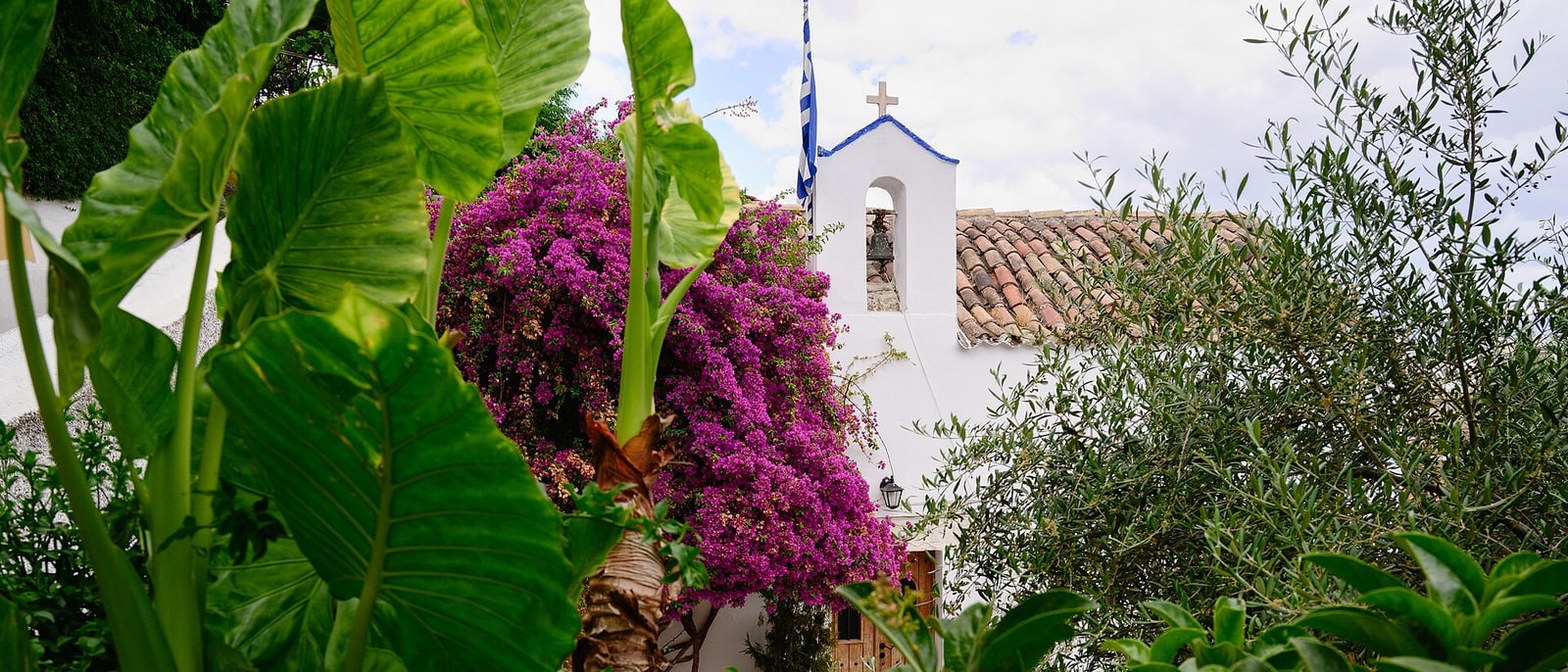
That corner, called Anafiotika, is the best introduction to Athens’ neighbourhoods, because it shows what the deal is: this city was made by accretion, in pieces, by people from somewhere else. From the islands, from Asia Minor, from the countryside. And each wave left a quarter. Athens doesn’t have a pretty historic centre with rings around it: it has patches, and the good ones are almost never the ones in the guidebooks.
The route, stop by stop
4 STOPS- 01
Anafiotika
Climb through Plaka towards the rock until the streets turn into steps and then into metre-wide passages. That’s Anafiotika: thirty or forty white Cycladic houses clinging to the Acropolis slope, with pots, cats and washing out. People live there. There are no shops, no restaurants and nothing to do but walk slowly.
It was built in the nineteenth century by builders from the island of Anafi, brought to the new capital to raise the royal palace. They settled on the slope and made their houses the way they were at home. And the story goes (this is oral tradition now, not a document) that there was a rule by which, if you managed to put up a house with a roof between dusk and dawn, it couldn’t be demolished. True or not, the quarter exists and it’s still standing.
Go at dusk and keep quiet: it’s a place where people live, not a museum.
- 02
Exarcheia
The most politically charged quarter in Greece, a step from the archaeological museum. It’s a grid of streets with street art on every wall, bookshops, cheap bars, squares occupied by young people and a history that’s alive here, not in a book.
On 17 November 1973, the students of the Polytechnic, which is here, barricaded themselves in against the military dictatorship and set up a clandestine radio station. Before dawn, a tank crashed the gate. People died, and the episode was decisive in the Junta’s fall the following year. Every anniversary there’s a march, and the gate is preserved.
The quarter has been the centre of the country’s anarchist and left movement for decades, with everything that implies: graffiti, squats, tension with the police and a recent gentrification argued about loudly here. It walks perfectly well and you eat very well and cheaply. Go switched on and don’t photograph people.
- 03
Psyrri and Kerameikos
Ten minutes from Monastiraki, Psyrri filled for decades with workshops and warehouses: small units, ironmongery, leather, people working. It still looks like that, and that’s half its charm. It’s ugly at street level, it’s covered in street art and it holds the best places to eat and drink in central Athens.
Beside it is Kerameikos, which gives the quarter its name and which is ancient Athens’ cemetery: a quiet park of graves, stelae and the line of the city wall, almost empty of people.
The combination of the two (a cemetery two and a half thousand years old and today’s drinking quarter, wall to wall) is pure Athens.
And over that way is Gazi, the old gasworks turned cultural centre, with its chimneys lit up. This is where the city goes out, not Plaka.
- 04
Koukaki and the slopes
South of the Acropolis, on the side almost nobody walks round, is Koukaki: an ordinary residential quarter of apartment blocks, with bakeries, neighbourhood tavernas, schools and residents. It has not one monument. And it’s where people who already know Athens stay.
The reason is geographic: it’s pressed against the rock on the south side, so you walk to the Acropolis and its museum in ten minutes, but you sleep on a street where nobody will put a laminated menu in front of you. Prices are local.
And the finish is the Dionysiou Areopagitou pedestrian walk, which skirts the Acropolis’ southern slope among trees with the Parthenon over your head: it’s one of the most beautiful streets in Europe and it runs from Koukaki to Plaka. Climb Filopappou hill too, right there, which has the head-on view of the Acropolis and is free.
Frequently asked
Where to stay in Athens?
Koukaki, south of the Acropolis: an ordinary residential quarter, no tourist menus, local prices, and you walk to the rock in ten minutes. Psyrri if you want the nightlife and the good restaurants beside you. Plaka is pretty but it’s the most trodden area and you eat badly and expensively on the main streets. And Monastiraki is well connected but noisy.
What is Anafiotika?
A genuine Cycladic village clinging to the Acropolis slope: thirty or forty white houses with blue doors, steps and cats, inside Plaka. It was built in the nineteenth century by builders brought from the island of Anafi to raise the royal palace, who made their houses the way they were at home. People live there: walk slowly and quietly.